
Companion Plants
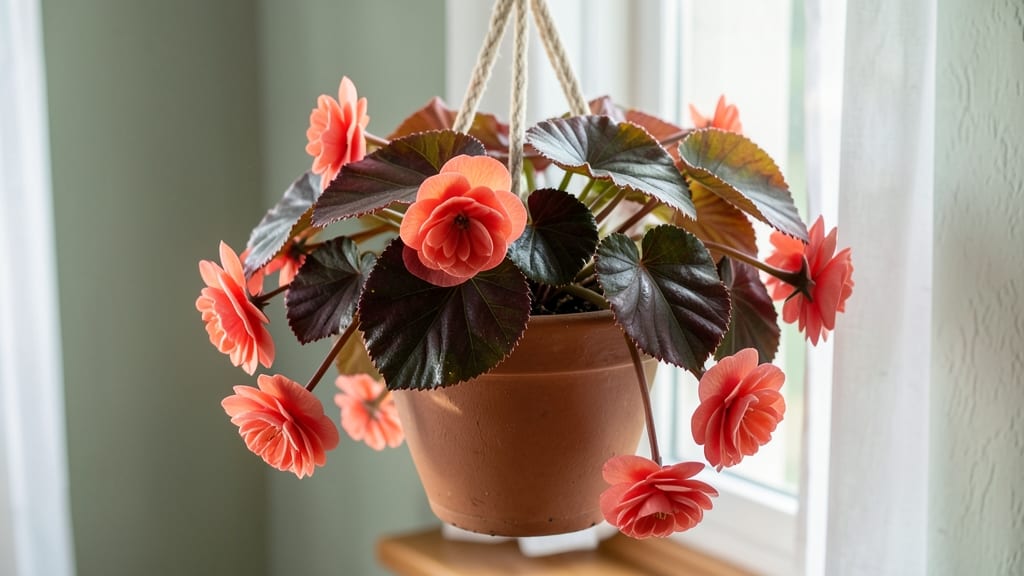
Begonia basket plants bring a shockingly lush waterfall of color to patios and porches. 🌿 I’ve grown them for years, and the secret isn’t just the right variety—it’s the way they transform a simple hanging container into a cascading masterpiece.
The trailing stems spill over edges like a natural curtain, and the waxy leaves catch the light in ways store-bought flowers never do.
Start with Rex or Dragon Wing begonias—their trailing habits make them perfect for baskets. You’ll need a well-draining potting mix (add perlite or orchid bark) and a container with drainage holes to prevent soggy roots.
Most people overwater these, but begonias actually prefer their soil to dry out slightly between waterings. A pebble tray under the basket adds humidity, which these tropical plants crave.
Place your basket in bright, indirect light—morning sun and afternoon shade work best. Fertilize lightly every 4-6 weeks with a balanced liquid feed, and pinch back leggy stems to encourage bushier growth.
Within a few weeks, you’ll see those vibrant leaves spilling over the edges, creating a living centerpiece that lasts all summer.
They’re surprisingly hardy once you get the basics right—just watch for spider mites on dry days and avoid cold drafts. With the right setup, your begonia basket will outlast any seasonal display. Here’s how to make it happen without the guesswork.
📚 In This Guide
- What you need
- Instructions
- Tips and common mistakes
- Wrapping up and next steps
What you need
- ● Begonia plants: 3–5 trailing varieties (e.g., Begonia boliviensis or Begonia x tuberhybrida). Choose healthy, well-rooted cuttings or young plants.
- ● Hanging basket: 10–14" diameter (plastic or coconut fiber). Ensure it has drainage holes—critical for root health!
- ● Potting mix: 1–2 gallons of well-draining, peat-based mix (e.g., African violet blend or add perlite/pine bark for aeration).
- ○ Moss (optional but recommended): 1–2 cups of sphagnum moss to retain moisture and add texture.
- ● Fertilizer: Balanced liquid fertilizer (10-10-10 or 20-20-20) or slow-release granules.
- ● Pruning shears: Small, sharp pair for trimming roots or moss.
- ● Spray bottle: For gentle watering (especially for delicate begonia leaves).
- ○ Glove: 1 pair (optional but handy for handling moss or prickly stems).
- ○ Decorative accents (optional): Pine cones, decorative stones, or floral picks for a finished look.
- ● Bright, indirect light (east or north-facing window, or under grow lights).
- ● Consistent humidity (50–70%). A humidity tray or pebble tray helps!
- ● Watering routine: Keep soil moist but not soggy—baskets dry out faster.
Step-by-Step instructions for growing begonia basket plants
Here's how to create stunning hanging displays with trailing begonias that cascade beautifully.
🪴 Step 1: Select the Right Hanging Baskets and Prepare Soil
Choose 6-8 inch diameter hanging baskets with sturdy wire frames—begonias need support for their trailing vines. Line the bottom with 1-2 inches of sphagnum moss to prevent soil from falling through the drainage holes. This keeps roots contained while allowing excess water to escape.
Fill the baskets halfway with a lightweight potting mix designed for hanging plants. Begonias hate soggy roots, so I blend in 20% perlite to improve drainage. Moisten the mix until it feels like a damp sponge—you shouldn't see water pooling at the bottom.
🌱 Step 2: Plant Begonia Starts with Proper Spacing
Place 3-4 begonia plants per basket, spacing them evenly around the edges. The trailing varieties will spread outward, so positioning them at the rim ensures maximum coverage. Dig a hole slightly larger than the root ball and gently press the soil around the roots to eliminate air pockets.
I like to add a slow-release fertilizer pellet at planting time—this gives the begonias a nutrient boost right when they need it. Water the basket thoroughly after planting to help the soil settle and eliminate any air gaps around the roots.
☀️ Step 3: Position for Bright, Indirect Light
Begonias thrive in bright, indirect light—think east or west-facing windows, or a shaded patio. Direct afternoon sun can scorch their delicate leaves, so if you're using a south-facing spot, place the baskets 6-8 feet away from the glass. You'll know the light is right when the foliage stays vibrant and the stems grow upright rather than stretching.
Rotate the baskets a quarter turn weekly so all sides receive even light exposure. This prevents one-sided growth and keeps the trailing vines cascading uniformly. If you notice leaves turning pale or stems elongating too quickly, move the baskets to a slightly shadier spot immediately.
💧 Step 4: Water and Maintain Consistent Moisture
Water begonia baskets when the top inch of soil feels dry—this usually means every 2-3 days during warm weather. The key is to keep the roots consistently moist but never waterlogged. I like to water from the top until it drains freely from the bottom, then empty any excess water from the saucer to prevent root rot.
Mist the leaves occasionally to increase humidity, especially in dry indoor environments. You'll see the difference immediately—begonias respond to higher humidity with lush, glossy foliage. During winter, reduce watering to once a week as growth slows.
✂️ Step 5: Prune and Encourage Full Growth
Pinch back the tips of new growth when stems reach 6 inches long to encourage bushier plants. This simple step prevents leggy growth and helps the begonias fill out their baskets more quickly. Use clean, sharp scissors to make the cut just above a leaf node.
Remove any yellow or damaged leaves as soon as you spot them—this keeps the plant looking its best and prevents disease. In late summer, you can also trim back overgrown vines to 4-6 inches to stimulate a fresh flush of growth before fall. Fertilize lightly every 4-6 weeks with a balanced liquid fertilizer to support this new growth.
Tips & tricks for perfect begonia basket plants
These simple strategies will help your hanging begonias thrive and create stunning cascading displays.
Soil Mix Matters: The lightweight potting mix blended with 20% perlite in Step 1 is crucial for preventing soggy roots. I like to add a handful of orchid bark to the mix—it helps retain moisture while allowing excess water to drain. This combination keeps roots aerated and happy, which is especially important for trailing varieties that need good airflow.
Plant Spacing Secret: When placing your 3-4 begonia plants in Step 2, position them slightly off-center toward the outer rim. This encourages the trailing vines to grow outward rather than inward, creating that beautiful waterfall effect. I also recommend gently pressing the soil around the roots to eliminate air pockets—this helps establish strong root contact immediately.
Light Positioning: The bright, indirect light recommendation in Step 3 is key—begonias will tell you when they're getting too much sun. If you notice leaves curling or developing brown spots, move the baskets immediately. For even growth, rotate them a quarter turn weekly as instructed, but also consider moving them slightly every few days to prevent one-sided stretching toward the light source.
Watering Wisdom: The "top inch dry" guideline in Step 4 works well, but I've found that checking moisture in the morning gives the most accurate reading. Water thoroughly until it drains from the bottom, then empty the saucer completely—this prevents root rot while keeping the soil consistently moist. For extra humidity in dry environments, I place the baskets on a tray filled with pebbles and water, creating a natural humid microclimate.
Pro Tips for Begonia Basket Plants
- These simple strategies will help your hanging begonias thrive and create stunning cascading displays.
- Soil Mix Matters: The lightweight potting mix blended with 20% perlite in Step 1 is crucial for preventing soggy roots.
- Plant Spacing Secret: When placing your 3-4 begonia plants in Step 2, position them slightly off-center toward the outer rim.
Frequently asked questions
Got questions about keeping your begonia basket plants happy and thriving? You’re not alone! Here are some of the most common queries—plus quick, practical answers to keep your trailing beauties looking their best.
How often should I water my begonia basket plant?
Water your begonia basket plant when the top 1–2 inches of soil feel dry to the touch. During spring and summer, this usually means watering every 2–3 days, while winter care may only require weekly watering. Pro tip: Always check the soil first—overwatering is the #1 killer of these tropical darlings!
Why are my begonia leaves turning yellow?
Yellowing leaves often signal overwatering or poor drainage. Ensure your hanging basket has drainage holes and the potting mix is well-aerated. If the roots smell sour or the soil stays soggy, repot your begonia into a chunky, peat-based mix and let it dry slightly between waterings. Bonus: Yellowing can also mean too much direct sun—try a brighter, indirect spot!
Can I grow begonia basket plants indoors year-round?
Begonias thrive indoors as long as you mimic their tropical habitat: bright, indirect light, humidity (50%+), and consistent warmth (65–75°F). Place them near east- or north-facing windows, and mist leaves occasionally or use a pebble tray to boost humidity. Winter warning: Avoid cold drafts from AC vents or windows!
What’s the best alternative if begonias are too fussy?
If begonias seem high-maintenance, try these low-maintenance trailing basket buddies:
- String of Hearts (Ceropegia woodii) – Drought-tolerant and ultra-charming!
- Peperomia prostrata – Lush, glossy leaves with minimal fuss.
- Creeping Jenny (Lysimachia nummularia) – Bright green cascades that bounce back easily.
How do I prevent pests like spider mites or aphids?
Pests love stressed begonias! Prevent them with these tricks:
- Wipe leaves with a neem oil solution (1 tsp neem oil + 1 quart water) monthly.
- Isolate new plants for a week to catch hitchhikers early.
- Boost humidity—pests thrive in dry air!
Still stumped? Drop your begonia basket woes below—we’ve got you covered!
Wrapping up and next steps
Transforming your space with begonia basket plants is a rewarding journey—one that brings vibrant color, lush textures, and a touch of whimsy to any corner. Whether you’re a seasoned gardener or just starting, these trailing beauties thrive with the right care, offering effortless elegance and year-round charm.
Now that you’re armed with the essentials—from soil prep to pest control—it’s time to let your creativity bloom!
🌿 Next steps:
- Pick your favorite begonia variety and grab a stylish basket to start!
- Experiment with companion plants like ferns or ivy for a stunning layered look.
- Share your progress—tag us with #BegoniaBasketMagic for inspiration!