
Container Gardens
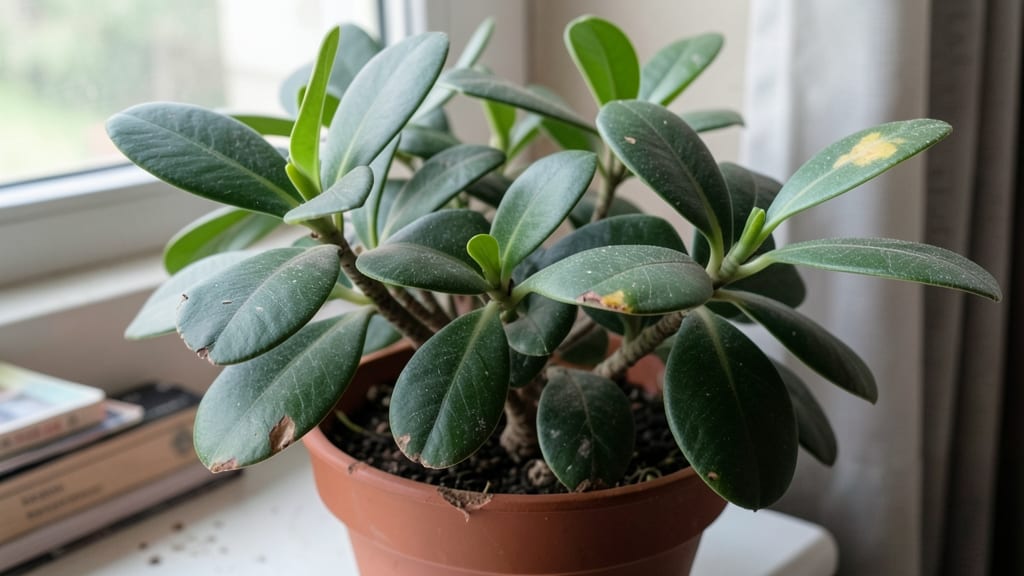
Growing a clusia indoor plant with its signature glossy leaves doesn’t require bright sunlight—just the right balance of care and patience. I’ve kept mine thriving for years in my dimmer living room, where it turns heads with its rich foliage and occasional delicate flowers.
The key isn’t complicated: it’s about understanding its low-light tolerance, watering rhythm, and how to keep its leaves that signature deep green.
You’ll need a pot with drainage, a well-draining soil mix, and a spot where the light is soft but steady—think near a north-facing window or under artificial grow lights. Water when the top inch of soil feels dry, and avoid letting it sit in soggy conditions.
Clusias are forgiving but hate soggy roots, so a pot with drainage holes is non-negotiable. The humidity? They’ll tolerate average home levels, but a quick misting or pebble tray helps in dry climates.
By the end of six months, you’ll have a plant that’s boldly vibrant, with leaves so glossy they’ll catch the light like polished jade.
Prune leggy stems in early spring to encourage bushier growth, and watch for pests like spider mites—wipe leaves with a damp cloth to keep them dust-free and healthy. The best part? This plant keeps its lush look year-round, no matter the season.
Whether you’re dealing with a small apartment or a bright but shady corner, clusias adapt beautifully. They’re the perfect low-maintenance statement plant for anyone who wants drama without the fuss. Here’s how to keep yours looking its best—no green thumb required.
📚 In This Guide
- What you need
- Instructions
- Tips and common mistakes
- Wrapping up and next steps
What you need
- ● Clusia plant: 1 healthy Clusia rosea or Clusia grandiflora (check for glossy, dark green leaves—avoid wilted or yellowing ones!)
- ● Pot: 1 container with drainage holes (6–12 inches in diameter, depending on plant size). Terracotta or ceramic works best for airflow.
- ● Well-draining potting mix: 1 bag (1–2 cubic feet) of a blend like: 50% peat moss or coco coir (for moisture retention)
- ● 30% perlite or pumice (for aeration)
- ● 20% orchid bark or sand (to mimic tropical forest soil)
- ● Drainage layer: 1–2 inches of gravel, small rocks, or broken pottery (to prevent root rot).
- ● Watering can or spray bottle: 1 with a narrow spout for gentle watering.
- ○ Humidity tray or pebble tray: 1 (optional but helpful for low-humidity homes).
- ○ Grow lights (optional but recommended): 1–2 full-spectrum LED grow lights (12–15 watts per square foot) for 10–12 hours/day if natural light is <1,000 ft-candles.
- ● Fertilizer: 1 bottle of balanced liquid fertilizer (10-10-10 or 20-20-20, diluted to half-strength).
- ● Plant food: 1 packet of worm castings or fish emulsion (for a nutrient boost).
- ● Misting bottle: 1 (to increase humidity around the leaves).
- ● Plant saucer: 1 decorative tray to catch excess water (prevents messes!).
- ● Support stake: 1 (if your Clusia grows tall—though most varieties stay compact).
Step-by-step instructions for growing a Clusia indoor plant
Here's how to nurture this stunning tropical plant indoors with minimal fuss.
Select the Right Container and Soil Mix
Clusia thrives in a well-draining container with plenty of room for its roots. Choose a pot that's at least 8 inches wide with drainage holes—terracotta works beautifully because it helps regulate moisture. I recommend using a lightweight potting mix blended with 20% perlite or orchid bark to prevent compaction and improve aeration. This mix mimics the airy, well-draining conditions of Clusia's native tropical environment.
Fill the pot about 2 inches deep with the prepared mix, leaving space for the plant's root ball. Gently tap the sides of the pot to settle the soil without compacting it. The goal is a loose, fluffy texture that allows roots to spread easily. If you're repotting an existing plant, handle the roots carefully—Clusia doesn't like being disturbed, so avoid breaking them during the process.
Plant and Water for Initial Establishment
Place your Clusia plant in the center of the pot, ensuring the top of the root ball sits just below the pot's rim. Fill the remaining space with the potting mix, pressing lightly around the base to secure the plant. Water thoroughly until water drains freely from the bottom holes—this ensures the roots establish contact with moisture right away.
After watering, let the plant sit in a saucer to catch excess water, but empty the saucer after 15-20 minutes to prevent root rot. Clusia is drought-tolerant once established, but it needs consistent moisture during its first 4-6 weeks indoors. I like to water when the top inch of soil feels dry to the touch—this keeps the roots happy without overwatering. Avoid getting water on the leaves, as Clusia prefers humidity but not soggy foliage.
Position for Optimal Growth Without Direct Sun
Clusia is one of the few plants that can thrive in low to medium indirect light, making it perfect for offices or north-facing windows. Place your plant within 3-6 feet of a bright window where it receives gentle, filtered light all day. If your space lacks natural light, supplement with a grow light placed 12-18 inches away for 12-14 hours daily.
Watch for signs of light stress: if the leaves start looking pale or stretched, it’s getting too much light; if they darken or grow smaller, it needs more brightness. Rotate the pot a quarter turn weekly to encourage even growth. Clusia is forgiving, but it rewards consistency—once it finds the right spot, it’ll reward you with those glossy, vibrant leaves for years.
Maintain Humidity and Fertilize Lightly
Clusia loves humidity but can adapt to average household conditions. To boost its tropical feel, mist the leaves 2-3 times weekly or place the pot on a tray filled with pebbles and water (just ensure the pot doesn’t sit directly in water). If your home is very dry, consider using a small humidifier nearby—this mimics its natural rainforest habitat.
Feed your Clusia with a balanced liquid fertilizer (like 10-10-10) diluted to half-strength every 6-8 weeks during spring and summer. Skip fertilizing in fall and winter, as the plant enters a slower growth phase. Over-fertilizing can burn the roots, so always water the plant first to flush out excess salts. You’ll know it’s happy when new leaves emerge bright green and glossy—that’s your sign to keep up the care!
Prune and Encourage Bushier Growth
Clusia grows best when pruned to encourage a fuller shape. Use clean, sharp pruning shears to trim back leggy stems or overgrown branches in early spring. Cut just above a leaf node or set of leaves to promote new growth. You can also pinch off the tips of young stems to encourage branching—this creates a bushier, more compact plant over time.
Remove any yellow or damaged leaves immediately, as they can attract pests or disease. Clusia is generally pest-resistant, but watch for mealybugs or spider mites if the plant looks stressed. Wipe leaves gently with a damp cloth to keep them dust-free, which helps them absorb light more efficiently. With proper pruning and care, your Clusia will stay lush and vibrant for years, making it a true indoor showstopper.
Tips & tricks for perfect Clusia indoor plant care
These little-known tricks will help your Clusia thrive indoors and maintain those stunning glossy leaves year-round—even without direct sunlight.
Soil Mix Secret: When preparing your lightweight potting mix with 20% perlite or orchid bark, I recommend adding a handful of worm castings to the bottom of the pot before adding the mix. This gives your Clusia a nutrient boost right where the roots need it most, especially during those first critical 4-6 weeks of establishment. The castings also improve soil structure, helping prevent compaction that can suffocate roots in heavier mixes.
Watering Wisdom: The 15-20 minute drainage window after watering is crucial—don't rush to empty that saucer! This time allows excess moisture to fully drain while still giving the roots a chance to absorb what they need. For a visual cue, wait until you see water beads forming on the soil surface, then empty the saucer. This ensures your Clusia gets consistent moisture without sitting in water, which can lead to root rot.
Light Positioning Hack: When placing your Clusia within 3-6 feet of a bright window, position it slightly to the side rather than directly in front. This prevents the leaves from developing a one-sided growth pattern where they stretch toward the light. The quarter turn weekly rotation mentioned in the instructions helps, but this initial positioning gives you more even growth from the start. For grow lights, place the bulb at the higher end of the 12-18 inch range if your space is particularly dim.
Fertilizer Timing Tip: The 6-8 week feeding schedule works perfectly, but here's a pro move: always fertilize right after watering your Clusia. This dilutes the fertilizer concentration in the soil and washes away any excess salts that could burn the roots. I also recommend using a spray bottle to lightly mist the leaves with water before fertilizing—this helps the plant absorb nutrients more efficiently through its foliage as well as roots.
Pro Tips for Clusia Indoor Plant
- These little-known tricks will help your Clusia thrive indoors and maintain those stunning glossy leaves year-round—even without direct sunlight.
- Soil Mix Secret: When preparing your lightweight potting mix with 20% perlite or orchid bark, I recommend adding a handful of worm castings to the bottom of the pot before adding the mix.
- Watering Wisdom: The 15-20 minute drainage window after watering is crucial—don't rush to empty that saucer!
Frequently asked questions
How much light does a Clusia really need?
A Clusia thrives in bright, indirect light but can tolerate low light—just avoid harsh direct sun, which can scorch its leaves. Place it near an east- or north-facing window, or under grow lights (12–14 hours/day) if natural light is scarce. Pro tip: Rotate the pot occasionally for even growth!
Why are my Clusia’s leaves turning yellow?
Yellowing leaves usually signal overwatering or poor drainage. Let the top 1–2 inches of soil dry out between waterings, and ensure the pot has drainage holes. If the roots smell sour or the soil feels soggy, reduce watering and repot in well-draining mix. Bonus: Check humidity—low levels can stress the plant too!
Can I prune my Clusia to encourage bushier growth?
Prune in spring or early summer to shape the plant or encourage branching. Use clean, sharp scissors to trim back leggy stems just above a leaf node. Avoid heavy pruning—Clusia grows slowly, so small adjustments work best. Remember: Deadhead spent flowers to redirect energy to foliage!
What’s the best soil mix for a Clusia indoors?
Use a well-draining, slightly acidic mix (pH 5.5–6.5). Combine:
- 50% peat moss or coconut coir
- 30% perlite or pumice
- 20% orchid bark or pine bark
Are Clusias prone to pests, and how do I treat them?
While resilient, Clusia can attract spider mites or mealybugs in dry conditions. Wipe leaves with a damp cloth weekly to deter pests. For infestations, spray with neem oil or insecticidal soap (diluted per instructions). Isolate the plant until treated. Preventative tip: Boost humidity with a pebble tray to keep pests away!
What’s a good alternative if my Clusia isn’t thriving?
If your space lacks ideal conditions, try these low-light, glossy-leaved alternatives:
- ZZ Plant (Zamioculcas zamiifolia) – Nearly indestructible
- Snake Plant (Sansevieria) – Tolerates neglect
- Pothos (Epipremnum aureum) – Fast-growing and forgiving
Wrapping up and next steps
Bringing a Clusia indoor plant into your home is a game-changer for low-light spaces—its lush, evergreen leaves thrive with minimal fuss! Whether you’re a plant parent or just starting, this resilient beauty proves that stunning foliage doesn’t need sunlight to shine. 🌿✨
Ready to elevate your space? Start by choosing your Clusia variety and follow the care tips shared here. With patience and love, you’ll enjoy its vibrant glow for years to come—one happy leaf at a time! 🌱💚