
Flowers
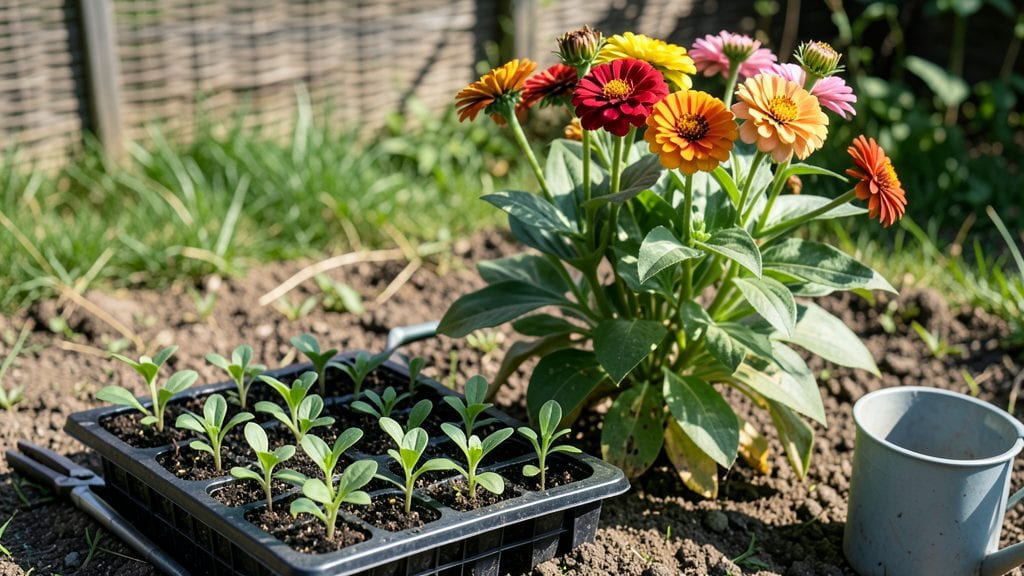
Succession planting flowers keeps your garden blooming like a never-ending parade. 🌸 I used to watch my flower beds fade after summer, but swapping out plants every few weeks transformed my yard into a year-round showcase. The secret isn't complicated—it's about timing and choosing flowers that follow each other naturally.
Start with early bloomers like pansies and snapdragons in spring, then transition to heat-loving zinnias and cosmos by summer. Cool-season flowers like asters and chrysanthemums take over as temperatures drop, while winter pansies and hellebores keep things lively.
You'll need about 20% of your garden space dedicated to new plantings every 4-6 weeks, but the payoff is worth it.
Your garden will look fuller, bloom longer, and stay healthier because pests can't focus on one type of plant. Imagine walking through a border that never loses its vibrancy—no more sad, brown patches between blooms. The key is overlapping bloom times so you always have color, even during transitions.
This works for any size garden, from small borders to large beds. Whether you're working with perennials, annuals, or a mix, the same principles apply. Let's make your flower garden the envy of the neighborhood all year long.
📚 In This Guide
- What you need
- Instructions
- Tips and common mistakes
- Wrapping up and next steps
What you need
- ● Flower seeds: Choose fast-growing annuals (e.g., marigolds, zinnias, cosmos) and biennials (e.g., sweet peas, snapdragons). Plan for 3–4 varieties with staggered bloom times.
- ○ Seedlings (optional): Pre-started transplants (e.g., petunias, geraniums) for immediate color. Buy 10–20 plants per season.
- ● Compost/soil amendment: 2–3 gallons per planting area to enrich soil.
- ● Organic mulch: 1–2 inches (straw or shredded leaves) to retain moisture.
- ● Garden trowel (for transplanting seedlings).
- ● Hand pruners (to deadhead spent blooms).
- ● Watering can or hose with nozzle (gentle spray for seedlings).
- ● Garden gloves (to protect hands from thorns/soil).
- ● Plant markers (biodegradable labels to track varieties).
- ○ Row cover/frost cloth (optional): For extending early/late seasons.
- ● Sunlight assessment: Map your garden’s sun exposure (full sun, partial shade)—critical for flower selection!
- ● Soil test: Check pH (aim for 6.0–7.0) and amend as needed.
- ● Planting schedule: Research last frost date and days to maturity for your flowers.
- ● Succession timeline: Plan 3–4 plantings spaced 2–4 weeks apart.
Instructions: how to plan your succession flower garden
Here's how I create continuous blooms by rotating flowers through seasons.
🌱 Step 1: Map Your Seasonal Color Zones
Start by dividing your garden into at least four distinct planting zones—each will handle a different bloom time. I like to sketch a simple layout showing where early spring flowers (like pansies) transition to summer bloomers (zinnias) and then fall favorites (mums). This prevents gaps and ensures no bare spots.
Note your last frost date and work backward: 6 weeks before spring frost plant cool-season flowers, 8 weeks before summer heat plant heat-tolerant varieties, and 6 weeks before fall frost add late-season bloomers. This timing ensures each group gets established before its optimal growing period begins.
🌿 Step 2: Choose Complementary Flower Families
Select flowers that share similar care needs but bloom at different times. For example, pansies and snapdragons thrive in cool weather, while marigolds and cosmos handle summer heat. I always group them by sun exposure too—shade lovers together, full sun together—to simplify maintenance.
Look for varieties with staggered bloom times within the same family. A packet of sweet alyssum might list "blooms in 4-6 weeks," but some seeds germinate faster than others, creating natural succession. This built-in variation reduces the work of replanting.
☀️ Step 3: Plant in Staggered Rows
Instead of planting all seeds at once, create three staggered rows for each flower type. Plant the first row 2 weeks before the recommended start date, the second row at the ideal time, and the third row 2 weeks after. This ensures continuous blooms as each batch matures.
Use the 3 gallons of potting mix to create small starter pots if direct sowing isn't practical. Keep these in a sheltered spot until soil warms to 60°F—that's when seeds germinate reliably. Thin seedlings to 6 inches apart once they have 2 true leaves to prevent overcrowding.
💧 Step 4: Monitor and Replace Faded Blooms
Check your garden weekly for spent flowers. The moment a bloom fades completely, pull or deadhead it immediately—this signals the plant to redirect energy to new buds. I keep a small pair of pruning shears handy for cutting back leggy stems while they're still green.
Replace fading flowers with pre-grown transplants from the next succession group. For example, when your spring violas start looking tired, tuck in summer zinnias at the edges. This creates a seamless transition without bare soil showing through.
⏰ Step 5: Adjust for Your Local Microclimate
Your garden's specific conditions will dictate the best timing. If your area has hotter summers, plant heat-tolerant flowers like portulaca earlier and extend their season with shade cloth. In cooler climates, extend fall blooms by adding a lightweight row cover to protect late-season flowers.
Keep a simple log of what worked each year. Note which flowers bloomed longest, which struggled with pests, and which needed less water. Over time, you'll refine your succession plan to match your garden's unique rhythm.
Tips & tricks for perfect succession planting flowers
A few simple strategies can transform your garden into a year-round color show. Here's how to make succession planting effortless and stunning.
Seasonal Timing is Everything: The 6-week rule before frost dates is your best friend. I always check my local frost dates online and mark these key milestones on my calendar. For example, if your last spring frost is April 15th, you'll plant cool-season flowers by March 1st. This timing ensures flowers are established before their peak growing season begins. Don't guess—your garden will thank you for the precision!
Staggered Rows Create Magic: Those three staggered rows in Step 3 are the secret to nonstop blooms. I've seen gardeners skip this step and end up with two weeks of flowers followed by bare soil. Plant your first row 2 weeks early, second row on time, and third row 2 weeks late. This creates a natural bloom progression where one group is always coming into flower as another fades.
Soil Temperature Matters More Than You Think: Never plant seeds until your soil reaches 60°F. I use a simple soil thermometer to check—it's worth the $10 investment. Cold soil prevents germination, no matter how perfect your timing seems. For early spring plantings, I use black plastic mulch to warm the soil faster. This simple trick can get your flowers blooming weeks earlier!
Deadheading is Non-Negotiable: That weekly check in Step 4 isn't just about aesthetics—it's about forcing your plants to produce more flowers. I keep a small pair of pruning shears in my gardening apron and snip off spent blooms the moment I see them. This simple habit can double your flower production. Plus, it prevents seed formation, which diverts energy away from new blooms.
Pro Tips for Succession Planting Flowers
- A few simple strategies can transform your garden into a year-round color show.
- Seasonal Timing is Everything: The 6-week rule before frost dates is your best friend.
- Staggered Rows Create Magic: Those three staggered rows in Step 3 are the secret to nonstop blooms.
Frequently asked questions
Got questions about keeping your garden blooming all season long?
Here are answers to the most common queries about succession planting flowers—so you can troubleshoot, plan, and enjoy nonstop color with confidence!
What is the best way to space flowers for succession planting?
Spacing depends on the plant’s mature size and growth habit. For example, pansies (6–12 inches apart) or marigolds (12–18 inches apart) allow room for healthy foliage and airflow. Check seed packets or plant tags for guidelines, and leave extra space for sprawling varieties like nasturtiums. Pro tip: Overcrowding can lead to disease, so prioritize airflow!
How often should I replant flowers for continuous blooms?
Timing varies by flower type and climate. Cool-season bloomers (e.g., snapdragons, sweet peas) thrive in early spring and fall, while warm-season favorites (e.g., zinnias, cosmos) shine in summer. Aim to stagger plantings every 2–4 weeks for a seamless transition. Monitor local frost dates to avoid planting too early or late.
Can I use annuals and perennials together in succession planting?
Pair fast-growing annuals (like bachelor’s buttons) with slower, long-lived perennials (e.g., black-eyed Susans) to create a low-maintenance garden. Annuals fill gaps while perennials establish roots. Just ensure perennials aren’t overshadowed by aggressive annuals—rotate or prune as needed.
What should I do if my flowers aren’t thriving after replanting?
Check these common culprits: poor soil (amend with compost), over/underwatering (most flowers prefer consistent moisture), or pests/disease (neem oil or row covers help). Also, ensure succession plants get enough sunlight—some varieties (like impatiens) bolt in heat. Rotate crops annually to prevent soil depletion.
Are there low-maintenance flowers ideal for succession planting?
Yes! Opt for self-seeding annuals like cosmos or calendula, or hardy perennials such as coneflowers or beebalm. These thrive with minimal intervention and often reseed themselves, reducing replanting effort. For beginners, marigolds or sunflowers are foolproof choices.
Wrapping up and next steps
Succession planting flowers isn’t just a gardening trick—it’s your ticket to a year-round parade of color and life! By strategically swapping out blooms, you’ll maximize every inch of your garden, reduce waste, and enjoy continuous beauty without the extra work. 🌸
Ready to dive in? Start small—pick one bed or container this season and experiment with a few easy swaps. Before you know it, your garden will be the envy of the neighborhood, and you’ll wonder how you ever lived with gaps between blooms. Happy planting!