
Pests
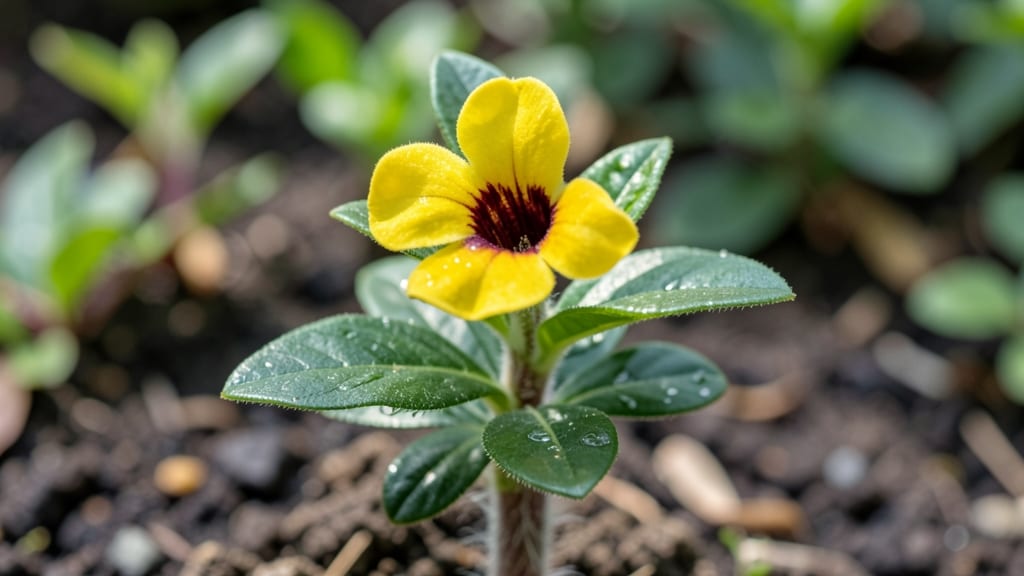
Fast-growing worm bush plants (Solandra grandiflora) turn any garden into a fragrant, lush privacy screen within a single season. ✨ I planted mine against a chain-link fence last spring, and by summer, the glossy vines had completely obscured the view—no fence, no problem.
The trumpet-shaped flowers smell like vanilla and honey, drawing hummingbirds all afternoon.
The secret to their speed is simple: full sun, well-draining soil, and a sturdy trellis or fence to climb. They thrive in zones 9-11 but can survive winters in cooler areas if protected.
Start with seeds or cuttings—either works—and keep the soil consistently moist but never soggy. Within 8-12 weeks, you’ll see vines reaching 10 feet or more.
By midsummer, your privacy screen will be in full bloom, with velvety leaves and clusters of creamy-white flowers that last for months. The fragrance alone makes it worth growing, but the dense foliage blocks wind, noise, and unwanted views.
Prune lightly in late winter to shape it and encourage new growth.
Perfect for containers too—just give them a large pot and a trellis. Here’s how to keep them thriving all year, even in less-than-ideal climates. Let’s get those vines growing fast!
📚 In This Guide
- What you need
- Instructions
- Tips and common mistakes
- Wrapping up and next steps
What you need
- ● Worm bush plant: 1-3 plants (nursery-grown or propagated from cuttings/seeds). Look for healthy, disease-free specimens with vibrant foliage.
- ● Well-draining soil: 5-10 bags (2-3 cubic feet each) of a mix like African violet potting soil or a blend of 60% peat moss, 30% perlite, and 10% sand.
- ● Containers or in-ground space: Containers: 2-5 large pots (12-18 inches in diameter) with drainage holes, or
- ● In-ground: A sunny, sheltered spot with at least 3-5 feet of space for mature growth.
- ● Fertilizer: 1 bottle of balanced liquid fertilizer (e.g., 10-10-10 NPK) or slow-release granules.
- ● Watering can or hose: With a gentle spray nozzle for moisture control.
- ● Pruning shears: Sharp, sterilized shears for trimming and shaping.
- ● Gloves: 1 pair of gardening gloves to protect your hands.
- ● Mulch: 1 bag of organic mulch (e.g., pine bark) to retain moisture and suppress weeds.
- ● Pest control: Neem oil or insecticidal soap (for occasional aphid or spider mite issues).
- ● Support stakes: 2-3 bamboo stakes or trellises (if growing as a climbing screen).
- ○ pH testing kit: Optional but helpful to ensure soil pH is between 5.5-6.5 (ideal for worm bush).
- ● Shade cloth: Lightweight cloth for seedlings if planting in hot climates.
Step-by-Step instructions for planting a worm bush privacy screen
Here’s my go-to method for creating a lush, fast-growing privacy screen that thrives year-round.
🌱 Step 1: Choose the Right Location and Prepare the Soil
Worm bush thrives in partial shade to full sun, but it tolerates shade better than many privacy plants. Pick a spot with at least 4-6 hours of sunlight daily—morning sun with afternoon shade works best in hotter climates. Clear the area of weeds and debris, then loosen the soil to a depth of 12 inches with a garden fork.
Amend the soil with 2 inches of compost (not listed in materials but highly recommended) to improve drainage and fertility. Worm bush dislikes soggy roots, so if your soil drains poorly, mix in 1 part perlite or coarse sand to 3 parts soil. Test the soil pH—it prefers slightly acidic to neutral (6.0-7.0). If yours is too alkaline, add sulfur to lower the pH gradually.
🪴 Step 2: Plant Worm Bush in a Spaced Grid
Dig holes twice as wide as the root ball and just as deep. Space plants 6-8 feet apart in rows 8-10 feet apart to allow for full growth without overcrowding. This spacing ensures airflow, reducing disease risk and letting each plant develop a dense, bushy form faster.
Gently remove the plant from its container and place it in the hole, ensuring the top of the root ball sits level with the surrounding soil. Fill the hole with soil, pressing lightly to eliminate air pockets. Water deeply to settle the soil and encourage root contact. Avoid compacting the soil too firmly—roots need room to expand.
☀️ Step 3: Water and Mulch for Fast Establishment
Water each newly planted worm bush with 1-2 gallons of water to ensure the root ball is thoroughly moistened. After watering, apply a 2-3 inch layer of mulch (like shredded bark or wood chips) around the base, keeping it 2 inches away from the stem to prevent rot. Mulch retains moisture, regulates soil temperature, and suppresses weeds—critical for the first 6-8 weeks while roots establish.
Water 2-3 times per week during the first month, then taper to once a week once the plant shows new growth. You’ll know it’s getting enough water when the soil feels damp but not soggy 2 inches below the surface. Overwatering is the fastest way to stunt growth, so let the top inch dry out between waterings.
✂️ Step 4: Prune for Density and Shape
Prune lightly in early spring to shape the plant and encourage bushier growth. Cut back any dead or damaged branches first, then trim 1/3 of the new growth to promote branching. Avoid heavy pruning in the first year—focus on shaping rather than reducing size. Use clean, sharp pruners to make cuts just above a leaf node or bud.
In late summer or early fall, give the plant a second light pruning to remove any leggy growth or branches growing inward. This keeps the screen dense and uniform. You’ll see the plant fill out faster if you prune after flowering—this redirects energy to foliage rather than seed production. Wear gloves; worm bush can have thorny stems!
🌿 Step 5: Maintain for Year-Round Privacy
Fertilize in early spring with a balanced, slow-release fertilizer (like 10-10-10) to support new growth. Apply it 6 inches away from the stem and water it in well. Avoid high-nitrogen fertilizers—they promote leafy growth at the expense of density. Repeat in mid-summer for a second boost.
Monitor for pests like spider mites or scale, which thrive in dry conditions. Spray the plant with water every few days during dry spells to deter pests naturally. If you notice yellowing leaves, check for overwatering or nutrient deficiencies. Worm bush is drought-tolerant once established, but it rewards consistent care with rapid, lush growth—expect a 3-5 foot screen in just 2-3 years!
Tips & tricks for fast-growing worm bush privacy screens
Here's how to accelerate growth and avoid common pitfalls with this rapid-privacy solution.
Soil Prep Matters: In Step 1, don't skip the soil test—worm bush thrives in slightly acidic soil (6.0-7.0 pH). If your soil is too alkaline, add sulfur gradually over 2-3 months. I've seen plants double in growth when soil conditions match their needs perfectly. For heavy clay soils, mix in that 1:3 perlite ratio before planting to prevent root suffocation.
Planting Depth Secret: When placing your worm bush in Step 2, use a level to ensure the top of the root ball sits exactly level with the surrounding soil. I've noticed plants struggle when buried too deeply—they develop weak stems that flop over. A simple trick: Draw a line on the pot at soil level before removing it from the container.
Watering Strategy: The 2-3 gallon initial watering in Step 3 is non-negotiable—it ensures the entire root ball gets saturated. After that, check soil moisture at 2 inches deep with your finger. If it feels damp but not soggy, you're golden. I've learned the hard way that letting the top inch dry out between waterings prevents overwatering while maintaining consistent moisture.
Pruning Timing: That early spring pruning in Step 4 should happen right after the last frost date in your area. I wait until I see new growth appear—usually late February to early March in most zones. Pruning after flowering in late summer redirects energy to foliage growth, which is exactly what we want for that dense screen. Just remember to wear gloves—those thorny stems can be sneaky!
Pro Tips for Worm Bush Plant
- Here's how to accelerate growth and avoid common pitfalls with this rapid-privacy solution.
- Soil Prep Matters: In Step 1, don't skip the soil test—worm bush thrives in slightly acidic soil (6.0-7.0 pH).
- Planting Depth Secret: When placing your worm bush in Step 2, use a level to ensure the top of the root ball sits exactly level with the surrounding soil.
Frequently asked questions
How fast does worm bush grow, and when can I expect privacy?
The worm bush grows at a moderate pace—expect 1-2 feet per year under ideal conditions. For a 6-foot privacy screen, plan for 3-5 years of growth. Fast-track results by pruning regularly to encourage bushier growth and planting multiple stems close together.
Is worm bush prone to pests, and how do I protect it?
While generally pest-resistant, worm bush may attract aphids, spider mites, or whiteflies in dry conditions. Prevent issues by ensuring 6+ hours of sunlight and well-draining soil. If pests appear, spray with neem oil or introduce ladybugs—avoid harsh chemicals to preserve its delicate blooms.
Can worm bush survive winter, or is it an annual?
In USDA Zones 9-11, worm bush thrives year-round as a perennial. In colder climates (Zones 8 or below), treat it as an annual or grow it in containers to overwinter indoors. Mulch heavily in fall to protect roots if you’re pushing its hardiness limits.
What’s a good alternative if worm bush doesn’t thrive in my climate?
If your zone is too cold or dry, try these fast-growing, low-maintenance alternatives:
- Bamboo (running types) – Privacy in 1-2 years, but invasive.
- Hornbeam (Carpinus betulus) – Tolerates shade, dense foliage.
- Arborvitae (Thuja) – Evergreen, drought-resistant.
- Russian Olive (Elaeagnus angustifolia) – Drought-tolerant, thrives in poor soil.
For tropical vibes, consider Mexican sunflower (Tithonia) or bougainvillea.
Why are my worm bush leaves turning yellow?
Yellow leaves usually signal overwatering or nutrient deficiency. Check soil moisture—worm bush prefers slightly dry conditions. If roots are soggy, improve drainage. For yellowing between veins, add iron-rich fertilizer (common in alkaline soils). Prune affected leaves to redirect energy to healthy growth.
Does worm bush attract beneficial insects like bees or butterflies?
Absolutely! Its fragrant blue flowers are a magnet for butterflies, bees, and hummingbirds. Plant near pollinator-friendly gardens to boost biodiversity. Pro tip: Deadhead spent blooms to encourage continuous flowering and keep beneficial insects visiting all season.
Wrapping up and next steps
The worm bush plant is a game-changer for anyone craving a lush, low-maintenance privacy screen that thrives year-round! 🌿 With its fast growth, pest resistance, and stunning foliage, it’s the perfect solution for transforming bare walls or unsightly fences into a vibrant, natural barrier.
Whether you're a gardening novice or a seasoned pro, this plant offers effortless elegance with minimal fuss.
Ready to elevate your outdoor space? Start by gathering your supplies, then plant your worm bush with confidence—your future green oasis awaits! Dive into our step-by-step guide to get growing today.