Pruning
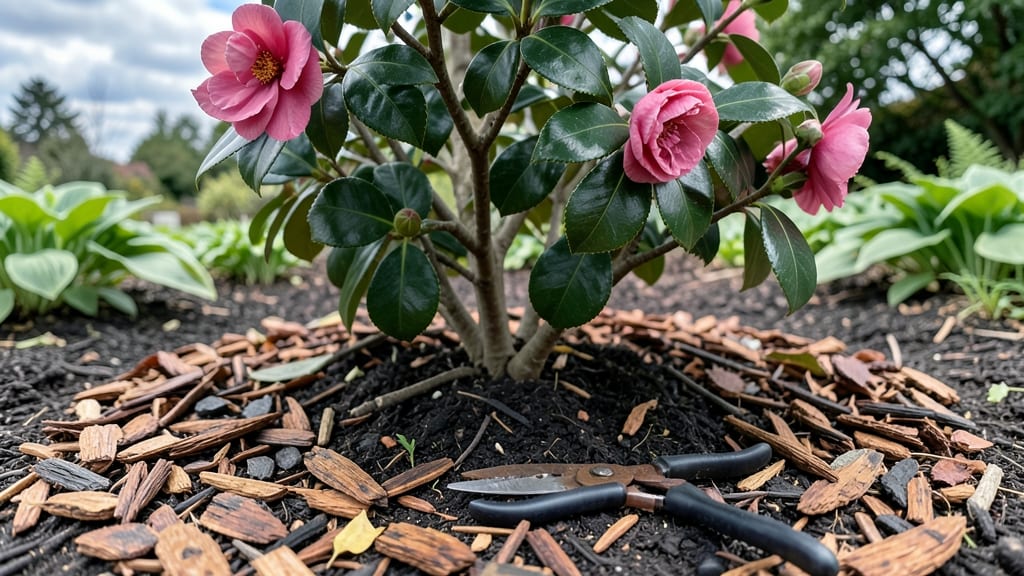
Pruning Japonica plants keeps them blooming like clockwork—three seasonal trims transform leggy bushes into lush, flower-covered giants. 🌿 I learned the hard way that skipping pruning means fewer blooms and a messy silhouette, but once I mastered the timing and cuts, my Camellia japonica became the star of spring and fall.
The key isn’t just when to cut—it’s how to shape the plant for airflow and sunlight while encouraging new growth where you want it.
You’ll need sharp bypass pruners, gloves, and a clear day to work—no rush jobs here. Start with late winter’s cleanup cut to remove dead wood, then follow up after spring blooms fade to shape for next year’s flowers.
The final trim in early fall preps the plant for winter dormancy while keeping it tidy. Most mistakes come from cutting too late in the season or hacking branches instead of making clean, angled cuts just above a leaf node.
By summer’s end, you’ll see dense foliage with buds forming for next year’s blooms. The plant stays compact, resists disease better, and puts energy into flowers instead of wild, unruly growth.
Even better, the trimmings make great mulch for acid-loving plants like azaleas and rhododendrons. Ready to give your Japonica the care it deserves?
This method works for all Camellia japonica varieties, whether you’ve got a towering specimen or a compact patio plant. The only real variable is your climate—cooler zones may shift trimming slightly earlier, while warmer areas can stretch the schedule a bit. Let’s get those shears sharp and those branches shaped!
Root Causes Of Overgrowth
When your Japonica plant (often Hibiscus syriacus or Hydrangea macrophylla) starts looking unruly, it’s usually due to one of three core factors: natural growth patterns, environmental stress, or human error.
Understanding these triggers helps you prune with precision—keeping your plant healthy, bushy, and blooming year-round. Let’s break down why overgrowth happens and how to fix it.
Plants like the Japonica variety are fast growers by nature, thanks to their tropical origins. Their auxin hormones—produced in young leaves and tips—stimulate rapid elongation, especially during warm seasons.
Without proper pruning, these hormones encourage long, leggy stems and dense foliage that can shade out lower branches, leading to a lopsided, woody appearance.
- Why it matters: Auxin dominance means the plant prioritizes vertical growth over bushiness, reducing airflow and increasing disease risk.
- Actionable fix: Prune 1/3 of the oldest stems in early spring to redirect energy to lateral buds. Use clean, sharp shears to avoid tearing stems, which can introduce pathogens.
- Pro tip:💡 Pinch back new growth tips in summer to encourage branching—this mimics natural pruning and keeps the plant compact.
Japonica plants thrive in specific conditions, and when those are disrupted, they respond with uncontrolled growth or stunted blooms. Common culprits include:
| Factor | How It Causes Overgrowth | Solution |
|---|---|---|
| 💧 Overwatering | Soggy soil forces roots to compensate by growing faster to access oxygen, leading to weak, sprawling stems. | Let the top 1–2 inches of soil dry between waterings. Improve drainage with perlite or sand. |
| ☀️ Too Much Sun | Intense light overstimulates photosynthesis, causing rapid leaf production but fewer flowers. | Provide morning sun + afternoon shade (especially in hot climates). Use sheer curtains if indoors. |
| 🌡️ Temperature Swings | Sudden heat or cold shocks the plant, triggering stress hormones that promote abnormal growth (e.g., etiolated stems). | Move plants to a consistent 60–75°F range. Use a heat mat in winter or shade cloth in summer. |
Key insight: Stress = survival mode. When a Japonica plant feels threatened, it prioritizes growth over blooms. Regular pruning resets this cycle by removing stressed tissue.
Pruning at the wrong time or with incorrect cuts can backfire, leading to woody stems, deadheading failures, or even root rot. Here’s what goes wrong:
- Late-season pruning:
Trimming after mid-summer removes next year’s flower buds (which form on old wood). This results in bare stems and delayed blooming.
- Top-heavy cuts:
Severing the topmost growth without balancing lower branches creates a lightweight, floppy plant. Always prune 1/3 from the base upward.
- Dirty tools:
Bacteria or fungi on shears can infect cuts, causing dieback. A single infected cut can spread to 3+ stems within weeks.
Actionable fix: Follow the 3-season rule:
- 🔪 Late winter: Remove dead/diseased wood (clean cuts at a 45° angle).
- 🌸 Early summer: Trim 1/3 of oldest stems to encourage new blooms.
- 🍂 Fall: Lightly shape for winter, but avoid heavy cuts—save major pruning for spring.
💡 Pro tip: Sterilize shears with rubbing alcohol between cuts to prevent spread of pathogens.
Quick Fixes for Japonica Pruning Problems
Pruning your Japonica (or Camellia japonica) can transform it from a tangled mess into a lush, flowering masterpiece—but only if you address the right issues. Below, we’ll tackle the most common pruning pitfalls with practical, step-by-step solutions, plus prevention tips to keep your plant thriving year-round.
Whether it’s leggy growth, sparse blooms, or overcrowded branches, these fixes will restore balance and beauty.
Cause: Too much shade, infrequent pruning, or pruning at the wrong time (late summer/fall).
How to Fix It:
- 🔪 Trim Back Strategically
- Focus on removing 1/3 of the oldest, leggiest stems to encourage new growth.
- Cut just above a leaf node (where leaves or buds emerge) at a 45-degree angle to prevent water pooling.
- Avoid "topping" (cutting flush)—this stresses the plant and leads to weak regrowth.
- 🌞 Boost Light Exposure
- Move the plant to partial shade with 4–6 hours of morning sun (afternoon sun can scorch leaves).
- Thin out dense foliage to improve airflow and light penetration.
- 🌱 Fertilize for Recovery
- Use a balanced, acidic fertilizer (e.g., 8-8-8 or a camellia-specific blend) in early spring to support new growth.
Prevention Tips: ✨ Prune in late winter/early spring (just before new buds form) to shape the plant before the growing season. ✨ Avoid heavy pruning in fall—this can stunt next year’s blooms. 💡 Mulch with pine needles or compost to retain moisture and acidity in the soil.
Cause: Improper pruning timing, over-pruning, or nutrient deficiencies.
How to Fix It:
- 📅 Prune at the Right Time
- Bloom-time pruning: Wait until after flowering (late spring/early summer) to prune spent blooms. This ensures next year’s buds form correctly.
- Shape pruning: Do this in late winter (February–March) to avoid cutting off next season’s flower buds.
- 🌸 Encourage Flower Buds
- Avoid cutting back into old wood (thick, woody stems)—flower buds form on new growth from the previous year.
- If your plant is mature, lightly prune only the outer edges to open up the center for sunlight.
- 🍄 Feed for Flowers
- Apply a high-phosphorus fertilizer (e.g., 10-20-10) in early spring to promote blooming.
- Avoid nitrogen-heavy fertilizers—these boost leaves but reduce flowers.
Prevention Tips: ✨ Label your pruning cuts (if unsure about bloom timing) to track when buds appear. ✨ Water deeply but infrequently—Japonicas hate soggy roots but need consistent moisture during bud formation. 🌡️ Protect from late frosts—buds can be sensitive to cold snaps.
Cause: Open wounds from pruning attract pests (aphids, scale), or fungal issues (like Camellia dieback) from contaminated tools.
How to Fix It:
- 🧼 Clean Your Tools
- Disinfect pruners with rubbing alcohol or a 10% bleach solution before and after pruning.
- Sterilize cuts with copper fungicide or pruning sealant (optional for large wounds).
- 🐜 Treat Pests Immediately
- Aphids/Scale: Spray with neem oil or insecticidal soap (repeat every 5–7 days).
- Whiteflies: Use yellow sticky traps near the plant.
- Remove heavily infested branches and dispose of them in sealed bags.
- 🌿 Improve Airflow
- Thin out dense branches to reduce humidity and fungal spores.
- Water at the base (avoid wetting leaves) to prevent fungal growth.
Prevention Tips: ✨ Prune on a dry, sunny day—moisture encourages fungal spores. ✨ Inspect leaves regularly for early signs of pests (sticky residue = aphids; white cottony spots = mealybugs). 🔥 Avoid pruning during wet weather—this increases disease risk.
Cause: Lack of structural pruning, or pruning too close to the center.
How to Fix It:
- 🎨 Create an Open Center
- Remove 1–2 oldest stems from the center to improve airflow and light.
- Thin out crossing branches (cut one at the base) to prevent rubbing and disease.
- 🔄 Rebalance the Canopy
- Step back and visualize—aim for a natural, tiered shape (like a vase).
- Shorten long branches by cutting just above a leaf node to encourage bushier growth.
- 🌱 Encourage New Growth
- Pinch back (trim the tips of new shoots) to promote branching in spring.
- Use a growth regulator (like paclobutrazol) if the plant is overly vigorous.
Prevention Tips: ✨ Prune in stages—don’t overhaul the entire plant at once. ✨ Use reference photos of healthy Japonicas to guide your cuts. 🎯 Mark your cuts with a piece of tape if you’re unsure—wait a week to see if new buds form before finalizing.
Final Pro Tip: 🌟 Less is more! Japonicas respond best to light, strategic pruning rather than aggressive cuts. When in doubt, prune conservatively and observe how the plant reacts over the next growing season. Happy pruning!
Frequently asked questions
When is the best time to prune my Japonica plant?
Prune Japonicas in three key windows: late winter (to remove dead wood), after blooming in early summer (to shape and encourage new flowers), and lightly in early fall (to prep for winter). Avoid heavy pruning after mid-summer—this can remove next year’s flower buds!
Can I prune my Japonica plant too much?
Yes! Over-pruning—especially cutting back into old wood—can reduce blooms and stress the plant. Never remove more than 1/3 of the oldest stems in a single session. Japonicas thrive on light, strategic cuts rather than aggressive trimming.
How do I know where to make the cuts?
Always cut just above a leaf node (where leaves or buds emerge) at a 45-degree angle. This prevents water pooling and encourages new growth. Avoid cutting flush to the stem—leave a small bump to protect the plant. For shaping, focus on outer branches to open up the center.
Why did my Japonica stop blooming after pruning?
Late-season pruning (after mid-summer) removes next year’s flower buds, which form on old wood. If blooms are sparse, prune only outer edges in late winter/early spring and avoid heavy cuts. Use a high-phosphorus fertilizer in spring to encourage flowering.
What should I do with the pruned branches?
Use them as mulch for acid-loving plants like azaleas or rhododendrons! If diseased, dispose of them in sealed bags. For healthy trimmings, chop them into smaller pieces and spread them around the base of your Japonica to retain moisture and acidity.