Watering
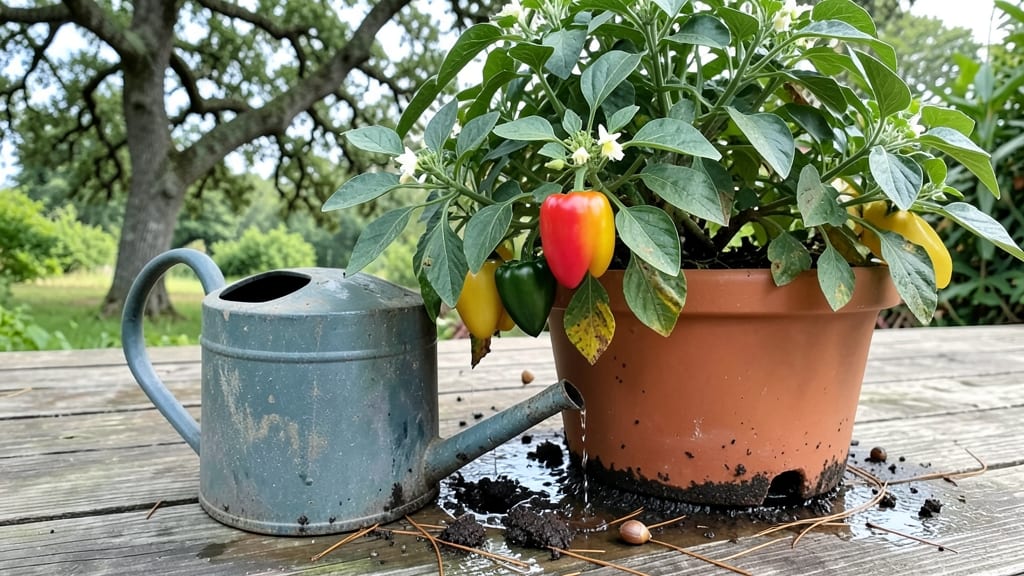
Overwatered pepper plants can look like a lost cause—until you know the 3 simple steps that bring them back from the edge. 🌱 I’ve nursed more soggy peppers back to life than I’d like to admit, and the fix is simpler than you’d think.
The key isn’t just cutting back on water; it’s fixing the root of the problem (literally).
Yellowing leaves, drooping stems, and that dreaded mushy soil smell? Those are your plant’s SOS signals. Overwatering drowns roots, starves them of oxygen, and invites rot—all while the soil stays clinging to moisture like a damp sweater.
The good news? Peppers are tougher than they look, and with the right adjustments, they bounce back faster than you’d expect. Within a week, you’ll see fresh green leaves and perky stems again.
Here’s the game-changer: stop watering until the top 2 inches of soil are dry, then adjust your schedule based on the season. Add perlite or coarse sand to improve drainage, and consider repotting if the roots are truly suffering.
Your peppers will thank you with stronger growth and—eventually—more peppers on the vine. Let’s get them back on track.
This method works for all pepper varieties, from sweet bell peppers to spicy jalapeños, and it’s foolproof for beginners. The secret is patience—don’t rush the recovery, and soon you’ll have plants that thrive instead of struggle. Ready to save your peppers?
Root Problems From Too Much Water
Overwatering pepper plants is like giving them a soggy hug—they can’t breathe, and their roots suffer. The most common culprits behind wilting, yellowing, or mushy leaves are poor drainage, compacted soil, and root rot.
Let’s break down why these issues happen and how they strangle your peppers before they can thrive.
Pepper plants need well-draining soil to avoid sitting in a swamp. If your pots lack drainage holes or your garden soil is heavy clay, water pools around the roots instead of draining away.
This creates anaerobic conditions—a fancy term for "no oxygen." Without oxygen, roots suffocate, can’t absorb nutrients, and start to rot.
Why it’s deadly:
- Root suffocation: Healthy roots need oxygen to respire (yes, plants "breathe"). Waterlogged soil forces roots to switch to fermentation—a slow, inefficient process that weakens the plant.
- Fungal feasts: Stagnant water invites Phytophthora and Pythium fungi, which gnaw away at roots like termites. These pathogens thrive in moisture and block water/nutrient uptake.
- Nutrient lockout: Even if you fertilize, waterlogged soil binds nutrients (like nitrogen and phosphorus) too tightly for roots to access.
💡 Pro Tip: Test your soil’s drainage by filling a pot with water, then timing how long it takes to drain. If it’s still soggy after 30 minutes, amend with perlite, sand, or coconut coir to loosen the mix.
Tight, clay-heavy, or overly packed soil acts like a brick around roots, preventing them from spreading and accessing air. This is especially common in:
- Recently planted pots with no aeration.
- Garden beds walked on or tilled poorly.
- Soil with high organic matter that breaks down into a gummy sludge.
Why it’s deadly:
- Limited oxygen: Compacted soil reduces porosity (the air pockets roots need). Roots grow slowly or die back, leaving the plant starving.
- Waterlogging pockets: Even if the surface seems dry, compacted layers below trap water like a dam, creating hidden rot.
- Root restriction: Roots can’t explore for nutrients or stabilize the plant, leading to weak stems and wilting.
🔥 Fix It: Fluff soil with a garden fork or add compost + coarse sand to improve structure. For pots, mix in vermiculite (10–20%) to keep soil airy.
When roots sit in wet conditions for days, they develop root rot, caused by water-loving fungi or bacteria like Phytophthora capsici. Unlike wilting from drought, root rot is a progressive disease—once it starts, it spreads fast.
Signs your peppers are rotting:
- Mushy, black/brown roots: Healthy roots are firm and white; rotten ones collapse like overcooked spaghetti.
- Foul smell: A sour, rotten odor near the base of the plant.
- Stunted growth: Despite watering, the plant wilts because roots can’t absorb moisture.
- Yellowing leaves (bottom-up): Nutrients can’t travel to the canopy.
🌡️ Why it’s irreversible: Fungal root rot thrives in 60–80°F soil with high moisture. Once established, it’s nearly impossible to cure—you’ll need to prune infected roots and sterilize soil (or replant).
🎯 Prevention:
- Water only when the top 1–2 inches of soil are dry (stick your finger in!).
- Avoid overhead watering—use drip irrigation or soaker hoses.
- Rotate crops yearly to break fungal cycles.
Fix Overwatered Peppers Fast
Overwatering can turn your thriving pepper plants into sad, wilted messes—but don’t panic! With the right steps, you can nurse them back to health and prevent future soggy soil disasters. Below, we’ll tackle the most common signs of overwatering and give you practical, actionable fixes tailored to each issue.
Plus, we’ll share pro tips to keep your peppers happy and productive.
Cause: Too much water suffocates roots, cutting off oxygen and nutrients. Fix:
- Stop watering immediately—let the soil dry out completely before watering again.
- Repot if needed—if roots are rotting (black, mushy, or smelly), transfer to fresh, well-draining soil.
- Improve drainage—add perlite or sand to heavy clay soil, or use raised beds.
Prevention:
- 💡 Test soil moisture before watering: Stick your finger 1–2 inches deep. If damp, wait.
- 🌡️ Water deeply but less often—peppers hate soggy feet! Aim for 1–1.5 inches per week (adjust for climate).
Cause: Root rot or compacted soil from overwatering. Fix:
- Trim damaged roots—snip away any black, mushy roots with sterilized scissors.
- Repot in fresh soil—use a mix with 50% potting soil, 30% perlite, 20% compost for airflow.
- Prop up weak plants—insert a small stake to support stems while they recover.
Prevention:
- ✨ Use a moisture meter to avoid guessing—peppers prefer slightly dry soil over soggy conditions.
- 🔥 Elevate pots—ensure containers have drainage holes and sit on saucers (not saucers full of water).
Cause: Overwatering stresses plants, diverting energy from blooms to survival. Fix:
- Reduce frequency—water only when the top 1–2 inches of soil are dry.
- Fertilize lightly—add a balanced 10-10-10 fertilizer to revive growth (follow package rates).
- Prune dead foliage—remove yellow or brown leaves to redirect energy to healthy growth.
Prevention:
- 🎯 Mulch wisely—use straw or wood chips to retain moisture without smothering roots.
- 👨🍳 Monitor weather—adjust watering during rain or humidity spikes.
If your peppers are severely wilted or rotting, act fast:
- 🔥 Remove from pot—shake off old soil to inspect roots.
- 🍳 Rinse roots—gently wash off excess soil to check for rot.
- 🥘 Repot in dry mix—use a cactus/succulent blend (holds less moisture) temporarily.
- ⏰ Wait 3–5 days before watering—let roots recover.
Pro Tip: Move plants to a shady spot for a week to reduce stress while they heal.
Remember: Peppers are tough—they’ll bounce back if you cut back on water, improve drainage, and give them time. Once revived, they’ll reward you with juicy, flavorful harvests! 🌶️🔥
Frequently asked questions
Why do my pepper plants wilt after watering instead of perking up?
Overwatered peppers often wilt because their roots can't absorb moisture due to root rot or compacted soil. When soil stays soggy, roots suffocate and block water uptake. Try the "finger test"—if the top 2 inches feel damp, wait before watering again. If roots are mushy or black, you'll need to repot in fresh, well-draining soil.
How often should I water peppers to avoid overwatering?
Peppers prefer 1-1.5 inches of water per week, but frequency depends on climate. In hot weather, water deeply every 2-3 days; in cooler months, once a week may suffice. Always check soil moisture—stick your finger 1-2 inches deep. If dry, water; if damp, wait. Morning watering prevents evaporation and fungal growth.
Can I save a pepper plant with root rot from overwatering?
Yes, but act fast! First, remove the plant and trim all black/mushy roots with sterilized scissors. Repot in a 50% potting soil/30% perlite/20% compost mix and place in bright, indirect light. Hold off watering for 3-5 days to let roots recover. Move to a shady spot for a week to reduce stress while healing.
What’s the difference between overwatering and underwatering in peppers?
Overwatered peppers show yellowing leaves, wilting despite damp soil, and foul-smelling roots. Underwatered peppers have crispy edges, dry soil pulling away from pot sides, and drooping that recovers after watering. The key difference: overwatered plants stay wilted even when wet, while underwatered ones perk up quickly when hydrated.
Will mulch help prevent overwatering my pepper plants?
Mulch can actually worsen overwatering if used incorrectly! Organic mulch like straw retains moisture, while inorganic mulch (like gravel) improves drainage. For peppers, use 1-2 inches of straw or wood chips but keep it 2 inches away from the stem to prevent rot. Always pair mulch with proper drainage to avoid soggy soil.