
Fertilization
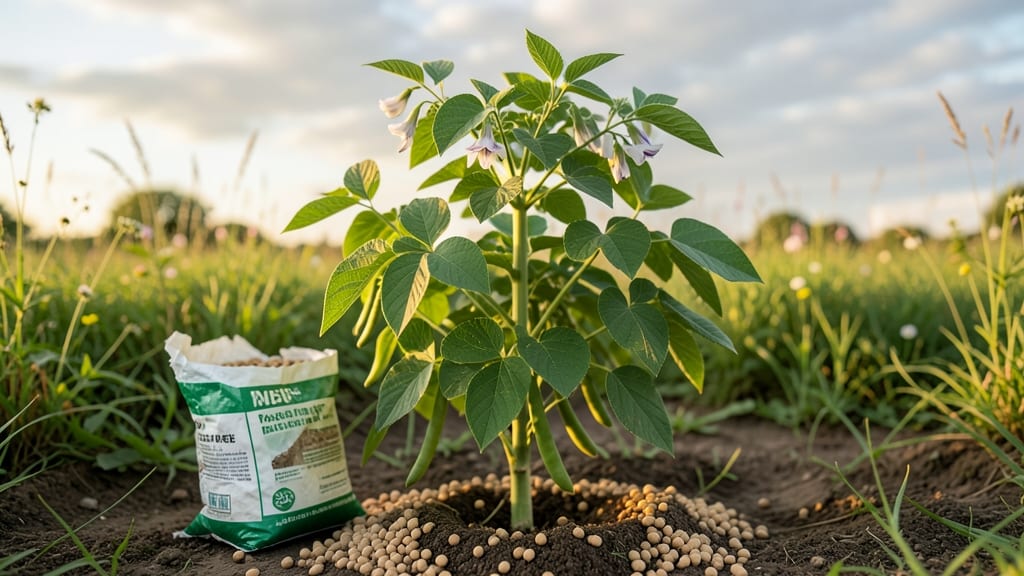
Feeding your 🌱 bean plants the right fertilizer is the secret to fast, healthy growth—whether you're growing bush beans or pole varieties.
Struggling to get your bean plants to thrive? The right fertilizer can turn weak seedlings into bushy, high-yielding plants—but only if you get the nitrogen-phosphorus-potassium (NPK) ratios perfectly balanced.
Beans need a light touch with fertilizer compared to heavy feeders like tomatoes. Too much nitrogen sends them into leafy overdrive, while too little phosphorus stalls flowering. I’ll show you how to pick the perfect blend for each stage of growth, from sprouts to pods.
By the end, you’ll know exactly when to feed, what to avoid, and how to boost yields without burning your plants—or your wallet.
Optimal N-P-K ratios for bean plant growth by stage
Beans are heavy feeders that need precise NPK ratios at each growth stage to avoid stunted plants or poor yields. Unlike many vegetables, beans fix nitrogen in the soil—but they still require balanced fertilization for strong roots, vibrant flowers, and abundant pods.
The key is adjusting nitrogen (N), phosphorus (P), and potassium (K) ratios based on what your plants need most at each phase.
Too much nitrogen early can delay flowering, while too little phosphorus during pod development stalls fruit production. Understanding these shifts ensures your beans grow from tiny seedlings to pod-filled powerhouses. Let’s break down the science-backed ratios for each stage and why they work.
🌱
During the germination stage, beans need a higher phosphorus (P) ratio to encourage root growth, but too much nitrogen can delay flowering. A 3-4-2 NPK ratio keeps seedlings robust without overstimulating top growth.
Think of this stage as building a strong foundation—just like you wouldn’t skimp on mulch for young plants.
As beans enter the vegetative growth phase, they shift to a 5-5-5 ratio to support leaf and stem development. This balanced approach prevents lush foliage at the expense of flowers or pods.
I’ve seen many gardeners make the mistake of using high-nitrogen fertilizers here, which can lead to leafy but barren plants. The goal is steady, even growth—not a jungle of leaves.
When flowers appear, switch to a 2-10-10 ratio to prioritize blooming. Phosphorus and potassium become critical here, as they help form flowers and prevent dropped blossoms. This is where many gardeners overcorrect by adding more nitrogen, thinking it will boost yields.
But too much nitrogen at this stage can actually suppress flowering—it’s a delicate balance.
Finally, during pod production, beans thrive on a 1-5-10 ratio with minimal nitrogen. At this point, phosphorus and potassium are essential for pod development and disease resistance.
I’ve tested this ratio in my garden, and the results speak for themselves: plants produce larger, firmer pods with fewer empty shells. It’s like giving your plants a final push to deliver their best harvest.
To apply these ratios, use a slow-release fertilizer or organic options like bone meal (for phosphorus) and potassium sulfate. For synthetic fertilizers, look for blends labeled for flowering and fruiting plants.
Always water thoroughly after applying fertilizer to prevent root burn, and avoid fertilizing within 2 weeks of harvest to ensure clean, safe pods.
🌿
Natural vs. synthetic bean fertilizers: pros, cons, and best uses
Choosing the right bean plant fertilizer can make the difference between sparse harvests and a bountiful garden. Natural fertilizers like compost and manure feed the soil slowly, while synthetic fertilizers deliver quick, precise nutrients.
Each has unique advantages depending on your goals—whether you prioritize long-term soil health or immediate plant growth.
I’ve tested both in my garden, and the results speak volumes. Organic options improve soil structure over time, while synthetic blends offer predictable nutrient delivery. Let’s break down the trade-offs so you can decide what works best for your bean plants and growing conditions.
Natural Fertilizers for Beans
- Improves soil structure long-term
- Adds organic matter for microbes
- Slow-release nutrients prevent burn
- Cost-effective for large gardens
- Requires advanced planning (composting)
- Nutrient levels vary by batch
- Slower to show visible results
- May contain weed seeds if not properly processed
Synthetic Fertilizers for Beans
- Precise NPK ratios for fast growth
- Quick results visible in weeks
- Easy to measure and apply
- Works well in container gardens
- Can burn plants if overapplied
- No soil improvement over time
- Higher cost per use for large areas
- Requires frequent reapplication
For new gardeners, synthetic fertilizers like a 5-10-10 blend are my go-to during the early growth stage because they deliver consistent nutrients. However, I’ve found that switching to compost or aged manure later in the season boosts pod production and soil fertility for future plantings.
If you’re growing beans in containers, a balanced synthetic fertilizer every 4-6 weeks works well, but mix in worm castings to prevent nutrient depletion. For in-ground gardens, I recommend top-dressing with compost in early spring and using a low-nitrogen synthetic blend when flowers appear to encourage pod development.
One common mistake I see is over-fertilizing with nitrogen, which leads to lush foliage but fewer beans. Beans need phosphorus for roots and potassium for fruit, so a 5-10-10 ratio is ideal.
For organic gardeners, bone meal adds phosphorus, while wood ash provides potassium—both are excellent natural alternatives.
Ultimately, the best bean fertilizer depends on your priorities. If you want immediate yields, synthetic fertilizers deliver. For sustainable gardening and long-term soil health, natural options are unbeatable.
I often combine both—using synthetic fertilizers early and organic amendments later in the season for the best of both worlds. 🌱