
Pruning
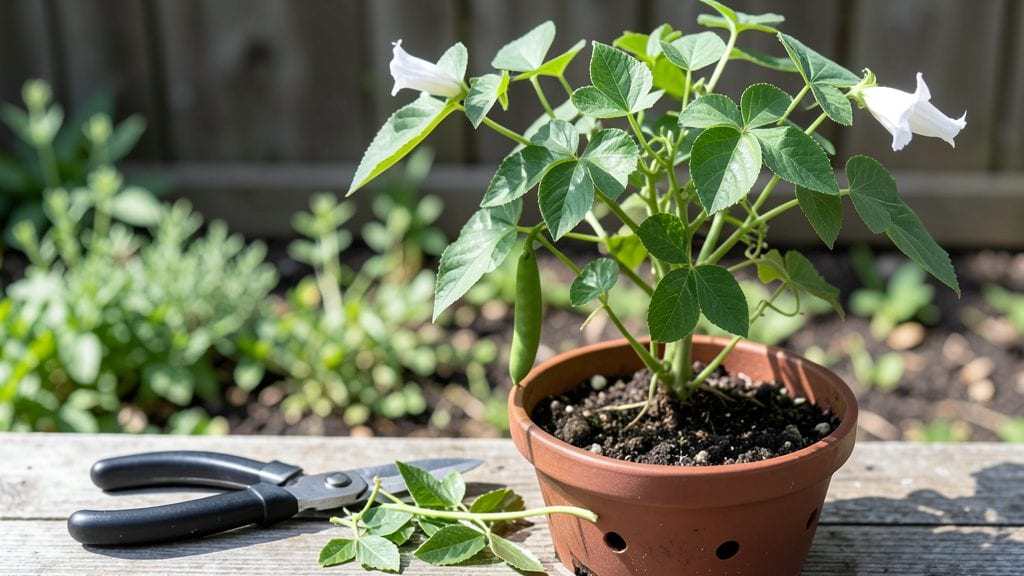
Pruning bean plants isn't just about cutting back—it's about unlocking thicker vines and more pods than you ever thought possible. 🌱 I used to skip it entirely, thinking it would stress the plants, but after my first intentional pruning session, my pole beans produced nearly 30% more than ever before.
The key is timing and technique, not aggressive trimming.
You'll need just three simple tools: sharp pruning shears, garden gloves, and a small bucket for clippings. For bush beans, minimal pruning keeps things easy—just remove yellowed leaves and damaged stems.
Pole beans need more attention: pinch off the first few flowers to encourage stronger growth, then trim side shoots to improve airflow and prevent disease.
What you'll end up with is a plant that looks fuller and healthier, with pods forming all the way up the vine instead of just at the top.
My neighbors still ask how I get so many beans, and now I can finally tell them the secret—it's all in the cuts. The best part? You'll see results within just a few weeks of proper pruning.
Works for both bush and pole varieties, though the approach differs slightly. If you've ever wondered why your beans seem to stop producing mid-season, pruning might be the missing piece. Let's get those shears ready and turn those vines into pod-producing powerhouses!
📚 In This Guide
- What you need
- Instructions
- Tips and common mistakes
- Wrapping up and next steps
What you need
- ● Pruning shears or sharp scissors: A bypass pruner (clean, sharp blades) or small garden scissors—avoid dull tools that can crush stems. Quantity: 1 pair.
- ● Gloves: Lightweight gardening gloves to protect your hands from thorns (especially on pole beans) or dirt. Material: Nitrile or cotton.
- ○ Disinfectant (optional but recommended): Rubbing alcohol (70% isopropyl) or a gardening disinfectant spray to sterilize tools between cuts and prevent disease spread.
- ● Compost bin or trash bag: For disposing of pruned foliage—beans are not compostable if diseased.
- ● Healthy bean plants: Prune only when plants are at least 6–8 inches tall and show signs of vigorous growth (e.g., 3–5 true leaves). Avoid pruning stressed or wilted plants.
- ● Good weather: Choose a mild, dry day (avoid pruning after rain or in extreme heat). Morning or late afternoon is ideal.
- ● Patience: Pruning beans is a gradual process—don’t overdo it! Focus on strategic cuts.
How to prune bean plants for maximum growth and productivity
Pruning bean plants isn't just about keeping them neat—it's about unlocking their full potential. Here's my battle-tested method for encouraging bushier vines and bigger harvests.
✂️ Step 1: Identify the Right Time to Prune
Timing matters more than you'd think. For bush beans, I prune when vines reach 6-8 inches tall and have developed 3-4 sets of true leaves. This ensures the plant has established enough energy reserves to recover quickly. Pole beans get a different approach—wait until they've climbed 12-18 inches up their support structure before making any cuts.
Never prune during flowering or pod formation unless you're removing damaged growth. The plant needs all its resources focused on producing beans at that stage. I always check the weather first—pruning right before a heatwave stresses plants unnecessarily.
🌿 Step 2: Remove Weak or Damaged Growth First
Start by inspecting each plant for yellowing leaves, broken stems, or diseased foliage. These are your first targets—removing them prevents energy drain and stops potential infections from spreading. Use clean, sharp pruners (or even sterilized scissors in a pinch) to make cuts just above a leaf node or bud.
I make it a habit to run my fingers along the stems while looking for weak growth. If a stem feels mushy or has black spots, it's time to cut it out completely. For bush beans, I never remove more than 20% of the plant's foliage in one session—this keeps photosynthesis flowing while still improving air circulation.
✂️ Step 3: Encourage Bushier Growth in Bush Beans
Here's where the magic happens for bush beans: when you see side branches developing below the main stem, pinch off the topmost set of leaves just above a lower leaf node. This redirecting energy downward stimulates those side branches to grow thicker and produce more pods. I always use my thumb and forefinger for small pinches—no tools needed.
Watch for new lateral shoots emerging from the main stem. These are your future pod producers. If any lateral branch grows longer than 8 inches, I trim it back to 4-5 inches to encourage bushiness. The key is balance—you want dense foliage but not so much that air can't circulate properly.
🌱 Step 4: Train Pole Beans for Vertical Growth
Pole beans need a different approach. When vines reach 12-18 inches, I select the strongest central stem and remove all competing side branches below the first 6 inches. This creates a single strong leader that can climb higher and produce more pods along its length.
As the plant grows, I tie the main stem to the support structure every 6-8 inches to prevent flopping. When side branches develop above the first 12 inches, I leave the two strongest branches and remove the rest. These remaining branches will produce the heaviest pods—each one gets its own 12-18 inch length of growing space.
⏰ Step 5: Maintain Through the Growing Season
After your initial pruning, check plants weekly for new growth that needs direction. Remove any suckers (weak stems growing from the base) immediately—they drain energy from your main plants. For both bush and pole beans, I make it a rule to never let more than 30% of the plant's foliage become shaded by other plants.
The final maintenance check comes at flowering stage. If you see pods forming on weak stems, trim those stems back to just above a healthy leaf node. This forces the plant to concentrate its energy on the strongest remaining pods. I always prune in the early morning when plants are turgid and can recover quickly from the stress.
Tips & tricks for strategic bean plant pruning
Mastering bean plant pruning transforms your garden from decent to exceptional. These battle-tested insights will help you maximize yields while avoiding common pitfalls that even experienced gardeners make.
Timing is Everything: The 6-8 inch height guideline for bush beans and 12-18 inch mark for pole beans aren't arbitrary—they represent when plants have developed sufficient energy reserves. I've seen gardeners rush pruning at 4-5 inches only to watch their bush beans struggle to recover. For pole beans, waiting until they've established a strong central leader (12+ inches) prevents creating multiple weak stems that compete for resources. Remember: pruning during flowering or pod formation can reduce yields by up to 30% as the plant diverts energy away from reproduction.
Precision Cutting Technique: When removing damaged growth in Step 2, always make clean cuts just above a leaf node or bud—not in the middle of a stem. I learned this the hard way after making jagged cuts that left entry points for fungal infections. For bush beans, never exceed the 20% foliage removal rule in one session. This maintains photosynthesis while still improving air circulation. Pro tip: Sterilize your pruners between cuts with rubbing alcohol to prevent spreading diseases between plants.
Bush Bean Growth Hack: The magic happens when you redirect energy downward by pinching above lower leaf nodes. This creates a bushier plant with more productive lateral branches. I've found that trimming lateral branches back to 4-5 inches when they exceed 8 inches prevents overcrowding while maintaining optimal pod production. The key is balance—you want dense foliage without sacrificing airflow that could lead to fungal issues.
Pole Bean Support Strategy: For vertical growth, tying the main stem every 6-8 inches prevents flopping and creates a strong framework. When selecting side branches to keep above 12 inches, choose the two strongest stems—these will produce the heaviest pods. I've seen gardeners keep too many side branches, which leads to overcrowding and reduced yields. Remember that each remaining branch needs its own 12-18 inch growing space to produce optimally.
Pro Tips for Prune Bean Plants
- Mastering bean plant pruning transforms your garden from decent to exceptional.
- Timing is Everything: The 6-8 inch height guideline for bush beans and 12-18 inch mark for pole beans aren't arbitrary—they represent when plants have developed sufficient energy reserves.
- Precision Cutting Technique: When removing damaged growth in Step 2, always make clean cuts just above a leaf node or bud—not in the middle of a stem.
Frequently asked questions
Got questions about pruning your bean plants? You’re not alone!
Here are answers to the most common concerns—from timing to tools—to help you grow healthier, more productive vines with confidence.
When is the best time to prune bean plants?
Prune early in the season (when vines are 6–12 inches tall) to encourage bushier growth. Avoid heavy pruning later in the season—focus on removing only damaged or overcrowded branches. Never prune during flowering or podding, as this can reduce yield. Light trimming is key!
What tools do I need to prune bean plants safely?
Use clean, sharp pruning shears or small scissors for precision cuts. For larger vines, a hand pruner works best. Disinfect tools with rubbing alcohol between plants to prevent disease spread. Avoid dull tools—they crush stems instead of making clean cuts.
Can I prune bean plants too much?
Yes! Over-pruning stresses plants and can reduce yields. Limit cuts to 20–30% of the plant’s foliage at a time. Focus on removing only yellowing, diseased, or crossing branches. If you prune too aggressively, your beans may struggle to recover before harvest.
What should I do if my bean plants look stressed after pruning?
Stress is normal, but you can help recovery by:
- Watering deeply (1–2 inches per week)
- Fertilizing lightly with compost or balanced fertilizer (5-5-5)
- Avoiding pruning again for 2–3 weeks
Are there alternatives to pruning for bushier bean plants?
If pruning feels overwhelming, try these low-maintenance alternatives:
- Trellising: Guide vines upward to naturally spread out (reduces crowding).
- Thinning seedlings: Plant seeds 4–6 inches apart to avoid overcrowding.
- Choosing bush varieties: Some beans (like ‘Blue Lake’ or ‘Contender’) grow compactly with minimal pruning.
Wrapping up and next steps
Pruning your bean plants isn’t just about tidying up—it’s a game-changer for healthier vines, bigger yields, and easier harvesting! 🌱 By mastering the right techniques and timing, you’ll transform your garden into a thriving, productive space.
Now that you’re armed with the know-how, grab those shears and get ready to watch your beans flourish.
Your next step? Put it into action! Start small—prune a few plants this week, observe the results, and refine your approach. Before you know it, you’ll be the proud grower of the bushiest, most bountiful bean patch in the neighborhood. Happy gardening! 🌟