
Vegetables
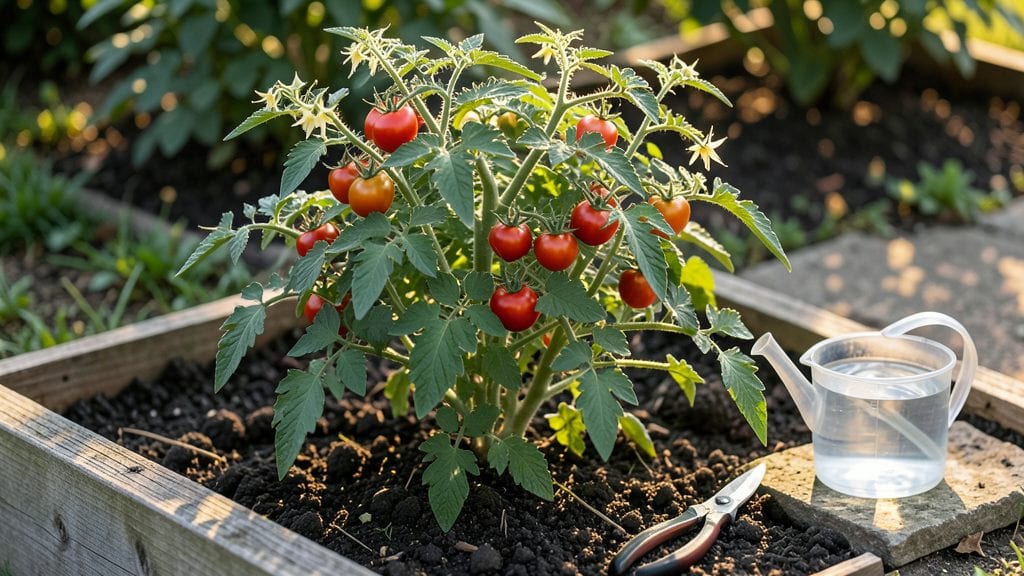
Growing Bushsteak tomato plants changed how I garden in small spaces—these compact powerhouses pack the flavor and yield of heirlooms into a footprint no bigger than a bushel basket. 🌱 The first time I saw those 12-ounce beefsteak-style tomatoes hanging from a 3-foot-tall plant, I knew I’d never go back to sprawling varieties again.
They’re the perfect solution for balconies, containers, or crowded gardens where space is at a premium but big harvests aren’t.
These plants thrive in full sun and well-draining soil, but the real magic happens when you treat them right from the start. You’ll need sturdy containers (at least 5 gallons), a balanced fertilizer to kickstart growth, and a trellis or cage to support their weight as they produce.
Water consistently—keeping soil moist but not soggy—because Bushsteaks hate dry spells and will drop blossoms if stressed. Prune suckers regularly to focus energy on fruit production, and you’ll end up with fewer but larger tomatoes that taste like the ones you remember from childhood.
By midsummer, you’ll be harvesting tomatoes that weigh nearly a pound each, with thick walls perfect for slicing or grilling. The plants keep producing until frost, and with proper care, a single 3-foot-tall Bushsteak can give you 20-30 pounds of tomatoes in one season.
That’s more than most sprawling varieties in twice the space—and with half the fuss. The secret? Treating them like the high-value crops they are from day one.
Whether you’re working with a tiny balcony or just want to maximize your raised beds, Bushsteak tomatoes deliver professional-level results with minimal effort. Here’s how to set yours up for a season of heavy harvests—no backyard required.
📚 In This Guide
- What you need
- Instructions
- Tips and common mistakes
- Wrapping up and next steps
What you need
- ● Bushsteak Tomato Seeds or Seedlings: 3–5 plants (choose disease-resistant varieties like 'Mountain Merit' or 'Celebrity').
- ● Vertical Growing System: Tower garden kit (e.g., Bower & Branch or DIY fabric pockets)
- ● OR wall-mounted planters (10–12" deep, with drainage holes)
- ● Potting Mix: 5–10 gallons of lightweight, well-draining mix (e.g., 60% coconut coir, 30% perlite, 10% compost).
- ● Support Structures: Trellis netting or stakes (for indeterminate varieties if pruning isn’t planned).
- ● Fertilizer: Balanced organic fertilizer (5-5-5 or tomato-specific blend) + mycorrhizal fungi for root health.
- ● Watering System: Drip irrigation kit or self-watering reservoir (to prevent over/under-watering).
- ● Hand Trowel (for transplanting seedlings).
- ● Pruning Shears (sterilized with rubbing alcohol).
- ● pH Test Kit (ideal soil pH: 6.0–6.8).
- ● Sunlight Access: 6+ hours of direct sun daily (south-facing wall or greenhouse).
- ● Weather Protection: Frost cloth (for early/late seasons) or shade cloth (if temps exceed 90°F).
- ● Growth lights (for indoor setups or low-light areas).
- ● Mulch (straw or wood chips to retain moisture).
- ● Compost tea (for a nutrient boost).
- ● Tomato cages or clips (if using a DIY trellis).
Step-by-Step instructions for growing Bushsteak tomato plants vertically
Here's how I maximize small spaces while growing these compact, high-yield tomato varieties.
🪴 Step 1: Select and Prepare Your Vertical Growing System
Bushsteak tomatoes thrive in cages or sturdy trellises that support their 3-4 foot height without sprawling. I use 4-foot tall tomato cages or a wooden trellis with 6-inch spacing between vertical supports—both work equally well. Place your system in a location that gets 6-8 hours of direct sun daily; morning sun with afternoon shade works best in hot climates.
If using a trellis, attach it to a sturdy post or wall anchor. The key is stability—these plants produce 10-15 pounds of tomatoes per plant, so the structure must handle that weight without bending. I always pre-drill holes in wooden trellises to prevent splitting when securing them to the post.
🌱 Step 2: Plant at the Right Depth and Water Thoroughly
Dig a hole twice as wide as the root ball but only as deep as the container the plant came in. Bushsteak tomatoes don't like being buried too deep, which can cause stem rot. Gently loosen the roots if they're circling in the pot, then place the plant in the hole and backfill with soil.
Water immediately after planting with 1 gallon of water per plant. Press the soil lightly around the base to remove air pockets, but don't compact it—you want the soil to remain loose for root penetration. The top inch of soil should feel damp but not soggy after watering. I like to add 1 tablespoon of balanced fertilizer (10-10-10) to the planting hole to give the roots a nutrient boost right away.
☀️ Step 3: Train Vines and Prune for Maximum Yield
As the plant grows, gently weave the main stem through the cage or tie it to the trellis with soft plant ties every 12 inches. Never use wire or anything that can cut into the stem—Bushsteak tomatoes are sturdy but still need gentle handling. Prune suckers (the small shoots that form in the leaf axils) when they're about 2 inches long to direct energy into fruit production rather than foliage.
Remove any leaves that grow below the first flower cluster—they'll shade the fruit and increase disease risk. I also pinch off the first flower cluster if the plant is still small (12 inches tall), as this encourages stronger stem development before fruiting. Once the plant reaches maturity, let it flower and fruit naturally while keeping the structure pruned and supported.
💧 Step 4: Water and Fertilize for Continuous Harvests
Water deeply 1-2 times per week, giving each plant 1.5-2 gallons of water at each session. The goal is to keep the soil consistently moist but not waterlogged—Bushsteak tomatoes are drought-tolerant once established, but they produce best with steady moisture. Water at the base of the plant in the morning to allow foliage to dry quickly, reducing disease risk.
Fertilize every 4-6 weeks with a balanced fertilizer or a tomato-specific feed high in potassium. I switch between liquid fertilizer and slow-release granules to provide a steady nutrient supply. Stop fertilizing 4-6 weeks before the first frost to allow the plant to harden off and prepare for dormancy.
✂️ Step 5: Harvest and Maintain Through the Season
Harvest tomatoes when they're fully colored and slightly soft to the touch—usually 5-7 days after they turn red. Twist gently to avoid damaging the stem. Bushsteak tomatoes ripen all at once, so expect a big harvest in 2-3 week batches once fruiting begins. Remove any overripe or spoiled fruit immediately to prevent pests and disease.
Continue pruning throughout the season, focusing on removing diseased leaves and any growth that shades the fruit. If you notice yellowing leaves, check for common tomato pests like aphids or whiteflies and treat with neem oil or insecticidal soap if needed. With proper care, your Bushsteak plants will keep producing until the first hard frost.
Tips & tricks for perfect Bushsteak tomato plants
These space-saving plants deliver big yields with minimal fuss—here's how to maximize every inch of growing potential.
Sunlight Strategy: The 6-8 hours of direct sun mentioned in Step 1 is non-negotiable for these powerhouse plants. If your space gets less than 6 hours, supplement with a grow light for 4-6 hours daily during the plant's fruiting stage. I've seen Bushsteak tomatoes produce just as well with this combo as they do in full sun, though fruit size may be slightly smaller. Position lights 6-12 inches above the plants for best results.
Root Development Hack: When planting in Step 2, create a "root trench" by making a 6-inch deep vertical cut in the soil before placing the plant. This encourages roots to grow downward and outward, creating a stronger base for those 10-15 pound harvests. Just be sure to backfill with loose soil after planting to maintain good root penetration.
Pruning Precision: The 12-inch tying interval in Step 3 is perfect for maintaining airflow while preventing breakage. I use soft plant ties made from recycled fabric—never wire—which allows the stems to grow naturally without restriction. For extra stability, weave the main stem through the cage in a figure-8 pattern rather than straight up, which helps distribute the plant's weight more evenly.
Watering Wisdom: The 1.5-2 gallons per watering in Step 4 might seem like a lot, but it's crucial for preventing blossom end rot. I schedule waterings for early morning (before 9am) to give foliage plenty of time to dry, which dramatically reduces disease risk. In hot climates, consider adding a 2-inch layer of mulch around the base to retain moisture and cool the roots.
Pro Tips for Bushsteak Tomato Plants
- These space-saving plants deliver big yields with minimal fuss—here's how to maximize every inch of growing potential.
- Sunlight Strategy: The 6-8 hours of direct sun mentioned in Step 1 is non-negotiable for these powerhouse plants.
- Root Development Hack: When planting in Step 2, create a "root trench" by making a 6-inch deep vertical cut in the soil before placing the plant.
Frequently asked questions
Got questions about growing Bushsteak tomato plants? You’re not alone! Here are answers to the most common queries to help you grow like a pro.
How long does it take for Bushsteak tomatoes to produce fruit?
Bushsteak tomatoes typically start producing fruit 50–60 days after transplanting (or 60–70 days from seed). With their compact size, they ripen faster than indeterminate varieties, so you’ll enjoy early harvests—perfect for impatient gardeners!
Can I grow Bushsteak tomatoes in containers?
These space-savers thrive in 5-gallon containers or larger (at least 12" deep). Use a well-draining potting mix and place them in full sun (6+ hours daily). Just ensure the pot has drainage holes to prevent root rot—container gardening is a game-changer for small spaces!
Why aren’t my Bushsteak tomatoes ripening?
If your tomatoes stay green or small, check these fixes:
- Sunlight: Ensure 8+ hours of direct sun daily.
- Water: Keep soil consistently moist (not soggy).
- Nutrients: Fertilize with tomato-specific feed every 2–3 weeks.
- Temperature: They need warm soil (60°F+) to set fruit.
Are Bushsteak tomatoes disease-resistant?
Yes! They’re bred to resist verticillium/wilt, fusarium, and nematodes, making them ideal for beginners or areas with soil issues. However, they can still get early blight or blossom end rot. Prune for airflow and mulch to keep soil healthy.
What’s a good alternative if I can’t grow Bushsteak tomatoes?
Try these compact, high-yielding varieties:
- Patio Princess (cherry tomatoes, 4’ tall)
- Tiny Tim (sweet, 18” height)
- Balcony Red (disease-resistant, 3’ tall)
Wrapping up and next steps
Growing bushsteak tomato plants is a game-changer for small spaces, offering high yields without the sprawl of traditional vines. With the right setup—like vertical trellises, proper pruning, and a dash of patience—you’ll enjoy juicy, flavorful tomatoes year after year. 🌱
Ready to dive in? Start by choosing your favorite variety and sketching out your vertical garden plan. Whether you’re a balcony gardener or a backyard enthusiast, these space-saving plants will turn your green thumb dreams into reality—one delicious bite at a time! 🍅✨