
Pests
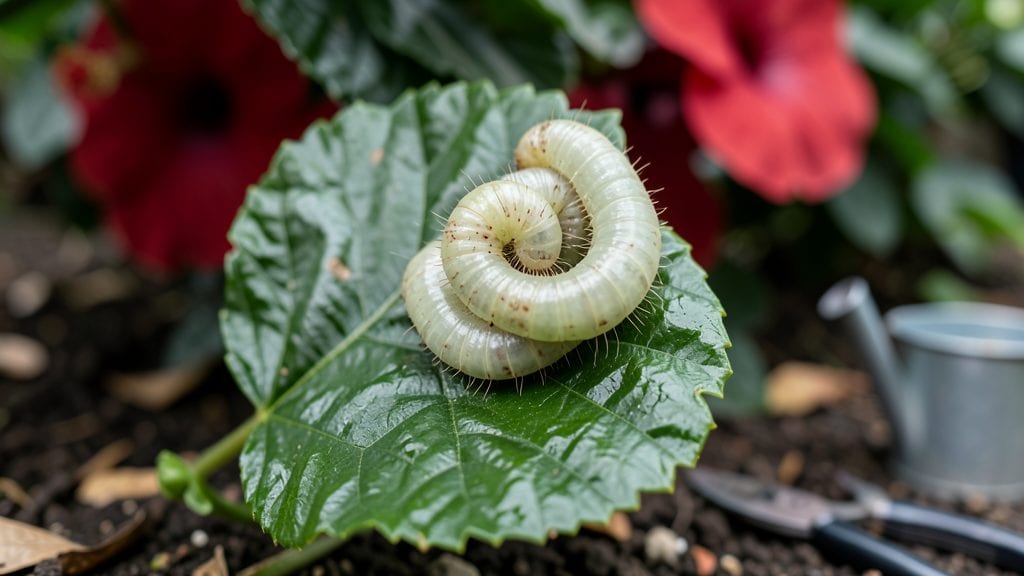
The hibiscus plant worms strike fast—your vibrant blooms can turn to lace overnight unless you act, and neem oil is the secret weapon I’ve used to save my bushes. The key is acting fast before the damage spreads beyond repair.
Most culprits are cutworms or spider mites, but root-knot nematodes can also gnaw on roots unseen. Look for chewed edges, silky webbing, or sudden wilting—those are your warning signs. Neem oil disrupts their life cycle within hours, but you’ll need to reapply every 5-7 days for stubborn infestations.
After one 15-minute spray, my hibiscus rebounded with new growth within a week. The leaves stayed glossy, and the flowers returned thicker than ever. The secret? Mixing neem oil with a drop of dish soap to help it stick to those slippery pests.
Prevention is easier than cleanup: mulch heavily, inspect leaves weekly, and avoid overwatering. Even in humid climates, these steps cut worm problems by half. Ready to reclaim your hibiscus’s glory? Let’s tackle this head-on.
Root Causes of Worm Infestations
Worms in your hibiscus plants aren’t just a random nuisance—they’re usually a sign that something specific is off in your garden’s ecosystem. Understanding these triggers helps you tackle the problem at its source. Here’s why those pesky critters might be munching on your hibiscus leaves, stems, or roots.
Hibiscus plants under stress—whether from overcrowding, poor soil, or lack of nutrients—become prime targets for pests, including worms. When plants are weak, their natural defenses weaken too, making them easier prey.
- Why it happens: Worms (like Agriotes or Phyllophaga larvae) thrive in soil where plants are struggling. Overcrowding reduces airflow, increases humidity, and creates damp conditions—perfect for worm activity.
- Signs to watch for:
- Yellowing or wilting leaves
- Stunted growth despite regular watering
- Soft, hollow stems (a sign of root damage)
- Actionable fix: Thin out overcrowded plants, improve drainage, and enrich soil with compost to boost plant resilience.
Worms love damp, waterlogged soil—it’s their ideal breeding ground. If your hibiscus is sitting in soggy conditions, you’re basically rolling out the welcome mat for these pests.
- Why it happens: Poor drainage creates anaerobic (low-oxygen) soil, which attracts worm larvae. Excess moisture also weakens plant roots, making them vulnerable to tunneling pests.
- Signs to watch for:
- Puddling water around the base of the plant
- Mushy, discolored roots when checked
- Worms visible in the topsoil after rain
- Actionable fix:
- Amend soil with perlite or sand to improve drainage.
- Avoid overwatering—let the top 1–2 inches of soil dry out between waterings.
- Consider raised beds if your garden naturally retains too much moisture.
Leaves, old mulch, and plant debris create a cozy hideout for worms. If your hibiscus is surrounded by a thick layer of organic matter, you’re providing a buffet—and a nursery—for these pests.
- Why it happens: Decaying organic material breaks down into a nutrient-rich (and worm-friendly) environment. Worms use it as food and shelter, often tunneling closer to your plant’s roots.
- Signs to watch for:
- Visible worm castings (small, dark pellets) near the base
- Chewed leaves or stems near mulch piles
- Worms crawling out of mulch when disturbed
- Actionable fix:
- Remove old mulch and debris from around the plant’s base.
- Use a thin layer (1–2 inches) of fresh, coarse mulch (like pine bark) to deter pests.
- Avoid piling mulch directly against the stem.
Plants with poor nutrition are like open invitations for worms. When soil lacks essential nutrients, hibiscus becomes less resistant to pests—and worms take advantage.
- Why it happens: Worms are drawn to soil with high organic content but low microbial activity. If your hibiscus isn’t getting enough nitrogen, phosphorus, or potassium, its roots weaken, making them easier targets for tunneling pests.
- Signs to watch for:
- Pale or purple-tinged leaves (nitrogen deficiency)
- Slow growth despite regular care
- Roots that appear thin or brittle when inspected
- Actionable fix:
- Test your soil’s pH and nutrient levels (ideal for hibiscus: slightly acidic, pH 6.1–6.5).
- Add a balanced fertilizer (like 10-10-10) or compost to restore nutrients.
- Use worm castings (ironically!) in moderation—they improve soil health without overfeeding pests.
Once you identify the root cause, you can target the problem directly—whether it’s adjusting watering habits, improving soil, or using natural repellents like neem oil. The key is acting fast before the worms turn your hibiscus into a worm hotel!
Quick Fixes for Wormy Hibiscus
If your hibiscus plant is under siege by worms, don’t panic—these pests are manageable with the right approach. Below, we’ll map the most common causes to fast, effective solutions, plus prevention tips to keep your plant thriving. 🌿🚫🐛
Fix: Manual removal + neem oil spray
- 👨🍳 Inspect & Remove
- Wear gloves and carefully pluck worms off leaves and stems with your fingers or tweezers. Drop them into soapy water to kill them instantly.
- Focus on the undersides of leaves and new growth, where worms love to hide.
- 🥘 Neem Oil Spray (15-Minute Cure)
- Mix 1 tbsp neem oil + 1 tsp mild dish soap + 1 quart water in a spray bottle.
- Spray thoroughly (top and bottom of leaves) at dawn or dusk when bees aren’t active.
- Repeat every 3–5 days until worms disappear (usually 1–2 weeks).
- 🌡️ Follow-Up Care
- Wipe leaves with a damp cloth to remove neem residue after 24 hours.
- Avoid overwatering—worms thrive in damp, decaying foliage.
💡 Pro Tip: If worms return, try a homemade garlic spray (blend 5 garlic cloves + 1 quart water, strain, and spray). Garlic’s sulfur compounds repel pests naturally.
Fix: Systemic treatment + soil repair
- 🔪 Prune Damaged Foliage
- Cut off yellow, chewed, or wilted leaves with clean scissors to stop the spread.
- Dispose of pruned material in a sealed bag (not compost).
- 🌱 Soil & Root Treatment
- Beneficial nematodes (like Steinernema carpocapsae) target larvae in the soil. Apply according to package instructions.
- For severe cases, drench the soil with a 1% neem oil solution (1 tbsp neem oil per gallon of water) to kill hidden pests.
- 🌿 Boost Plant Health
- Hibiscus needs well-draining soil—amend with compost if soil is soggy.
- Fertilize with a balanced, organic fertilizer (like 10-10-10) to strengthen roots.
✨ Prevention Tip: Mulch with cinnamon or diatomaceous earth around the base to deter future infestations.
Fix: Barrier methods + natural predators
- 🛡️ Physical Barriers
- Cover young shoots with fine mesh netting (like butterfly netting) to block adult flies from laying eggs.
- Use sticky traps (yellow or blue) near the plant to catch adult pests.
- 🐞 Encourage Natural Predators
- Attract ladybugs, lacewings, and parasitic wasps by planting dill, fennel, or marigolds nearby.
- Release praying mantis eggs or Trichogramma wasps (available online) for biological control.
- 🔥 Hot Water Spray (Emergency Fix)
- Mix 1 part rubbing alcohol + 1 part water in a spray bottle.
- Dab (don’t spray) onto visible worms—alcohol dehydrates them instantly.
🎯 Long-Term Fix: Rotate plants annually to disrupt worm life cycles.
| Action | How Often | Why It Works |
|---|---|---|
| Inspect leaves weekly | Every 5–7 days | Catches worms early before damage spreads |
| Prune dead/dying leaves | As needed | Removes hiding spots for eggs/larvae |
| Use neem oil monthly | During growing season | Deters egg-laying and kills larvae |
| Avoid overwatering | Keep soil slightly dry | Worms hate dry conditions |
| Plant companion flowers | Near hibiscus | Attracts predator insects |
Final Note: Consistency is key! Worms often return if you treat only once. Combine manual removal, neem oil, and soil care for the best results. With these steps, your hibiscus will bounce back worm-free in no time. 🌸💚
Frequently asked questions about hibiscus plant worms
What types of worms commonly attack hibiscus plants?
Cutworms and root-knot nematodes are the most common culprits. Cutworms chew leaves and stems at night, while nematodes attack roots, causing wilting or stunted growth. Spider mites (tiny but destructive) also mimic worm damage with webbing and leaf discoloration.
How do I tell if my hibiscus has worms or another pest?
Check for chewed leaf edges (cutworms), silky webbing (spider mites), or sudden wilting (nematodes). Worms leave behind dark fecal pellets, while aphids create sticky residue. Root damage often shows as soft stems or yellowing despite proper watering.
Is neem oil safe to use around bees and beneficial insects?
Neem oil is safest when applied at dawn or dusk when bees are inactive. Always use the 1 tbsp oil + 1 tsp dish soap ratio and avoid spraying flowers directly. For extra protection, cover nearby beneficial insects with a damp cloth during application.
Can I use coffee grounds to repel hibiscus worms?
Coffee grounds can help temporarily by improving soil acidity, but they won't kill existing worms. For best results, mix 1 part coffee grounds with 2 parts compost and sprinkle around the base. Combine with neem oil for a stronger defense against larvae.
How long does it take to see results after treating worm damage?
With neem oil, you may see visible reduction in 3-5 days, but full recovery takes 2-3 weeks as new growth emerges. For severe cases, combine treatment with pruning damaged leaves and improving soil drainage to accelerate recovery.