How To
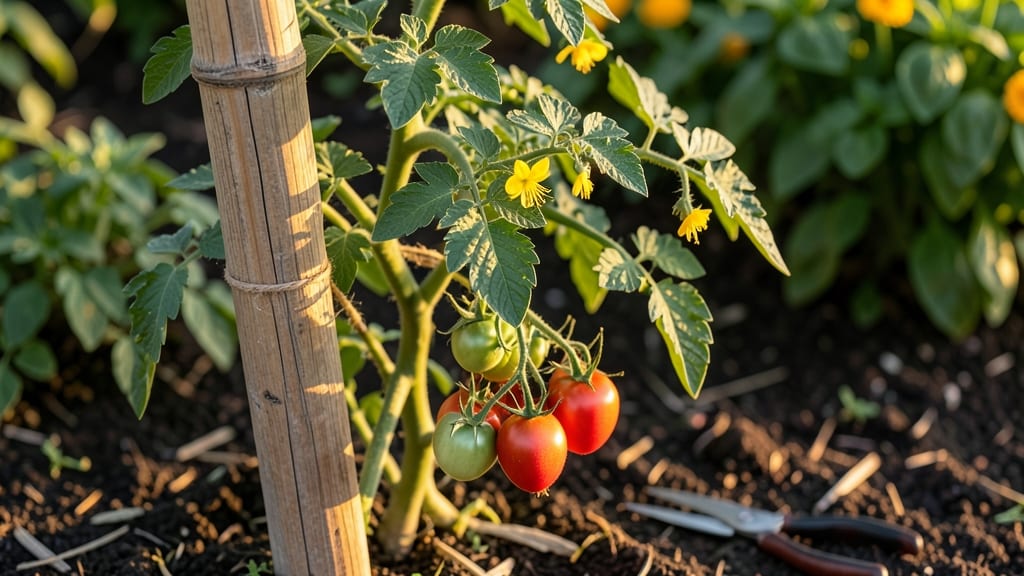
Tomatoes take anywhere from 60 to 90 days to ripen on the plant 🍅, depending on the variety and growing conditions—but that’s just the start of the story.
Ever stared at a bright green tomato wondering why it refuses to turn red? Or picked a fruit that tastes like nothing compared to the ones at the store? The ripening process isn’t just about time—it’s about sunlight, temperature, and even how you pollinate those flowers.
In this guide, I’ll break down the exact timeline for common varieties, the hidden factors that speed up or slow down ripening, and how to tell when your tomatoes are truly ready to eat.
You’ll learn how to adjust care practices for faster harvests, spot the signs of ripeness (beyond just color), and avoid common mistakes that leave you with mealy, underripe fruit.
Tomato ripening timeline: key stages from flower to harvest
Understanding the tomato ripening timeline transforms guesswork into garden planning. From the first tomato flower to that perfect red (or yellow/black) fruit, the process spans 4-8 weeks depending on variety and conditions. Let me walk you through each critical stage so you can predict—and accelerate—your harvest.
First, the pollination phase begins when your tomato plant flowers. Bees and wind do most of the work, but you can help by gently shaking plants on calm days. After successful pollination, the green fruit development stage starts—this is when those tiny blossoms swell into golf-ball-sized tomatoes.
This phase lasts 3-5 weeks and is highly sensitive to water stress and temperature swings.
Here’s a quick reference for how long tomatoes take to ripen on the plant, broken down by stage and variety:
| Variety | Days to Flower | Days to Green Fruit | Days to Ripen | Total Days | Notes |
|---|---|---|---|---|---|
| Cherry Tomatoes (e.g., Sweet 100) | 45-50 | 50-55 | 55-60 | 110-120 | Fastest ripening; prolific |
| Beefsteak (e.g., Brandywine) | 60-70 | 65-75 | 70-80 | 135-150 | Larger fruit; slower ripening |
| Heirloom (e.g., Black Krim) | 55-65 | 60-70 | 65-75 | 130-140 | Unique colors; sensitive to cold |
| Roma (Plum) | 50-55 | 55-60 | 60-65 | 120-130 | Disease-resistant; steady producer |
| Early Girl Hybrid | 40-45 | 45-50 | 50-55 | 95-100 | Fastest hybrid; great for short seasons |
The color change stage is where magic happens. Tomatoes shift from green to their mature hue due to lycopene production, triggered by sunlight and warm temperatures. This phase typically takes 7-14 days but can stall if nights dip below 55°F (13°C).
That’s why gardeners in cooler climates use row covers or black plastic mulch to retain heat.
Did you know? The stem color is your best ripeness indicator. A green stem means "not ready," while a yellow or brown stem signals peak ripeness. Even if the fruit looks red, check the stem—it’s the last part to change color.
This trick helps you avoid picking tomatoes too early, especially with heirloom varieties that ripen unevenly.
Environmental factors play a huge role in speeding up or slowing down ripening. For example, consistent sunlight (8+ hours daily) reduces ripening time by 10-15%, while inconsistent watering can cause cracking or blossom-end rot, delaying harvests.
I’ve found that drip irrigation keeps my tomatoes on track by delivering 1-1.5 inches of water weekly.
Temperature is another game-changer. Tomatoes ripen fastest in 70-85°F (21-29°C) ranges. Below 50°F (10°C), ripening halts entirely. That’s why I always monitor my garden’s microclimate—a south-facing bed stays 5-10°F warmer than a north-facing one, making all the difference for late-season tomatoes.
Pruning also impacts timing. Removing suckers (those little shoots in the leaf axils) redirects energy to existing fruit, often shortening ripening by 5-7 days. However, over-pruning can stress the plant, so I limit myself to 2-3 main stems per plant. Balance is key!
Finally, don’t overlook the harvest window. Tomatoes continue ripening off the vine, so you can pick them at the breaker stage (first color change) and store them in a cool, dark place to finish ripening.
This trick extends your harvest by 2-3 weeks, especially useful for late-season varieties like Brandywine.
Factors that speed up or delay tomato ripening (and how to control them)
Tomatoes don’t ripen on a strict schedule—your garden conditions can either accelerate or delay the process by weeks. For example, cherry tomatoes might ripen in 50-60 days, while heirloom varieties can take 80-90 days or longer.
The key is understanding which factors you can control to match your harvest timeline with your cravings.
One of the biggest variables is temperature fluctuations. Tomatoes thrive in 70-85°F soil and air temperatures. If nights dip below 55°F, ripening slows dramatically.
Heatwaves above 90°F can also stress plants, causing sunscald or blossom drop. Even a 5°F swing can push ripening back by 7-10 days.
Sunlight exposure is another game-changer. Tomatoes need 6-8 hours of direct sun daily, but too much intense afternoon sun (especially in hot climates) can scorch fruit. I’ve found that using shade cloth (30-50%) during peak hours in summer prevents sunscald while still allowing enough light for ripening.
How Long Do Tomatoes Take to Ripen?
- Full sun (6-8 hrs/day)
- Warm soil (70-85°F)
- Black plastic mulch
- Balanced fertilizer (5-10-10)
- Pruned for airflow
- Cool nights (<55°F)
- Inconsistent watering
- Overcrowded plants
- Nutrient deficiencies
- Pests/disease stress
Pro Tip: Use calcium supplements (like crushed eggshells) to prevent blossom-end rot, which delays ripening by stunting fruit growth.
Soil nutrients play a hidden but critical role. A calcium deficiency causes blossom-end rot, while too much nitrogen leads to lush foliage but fewer fruits. I always side-dress with compost when flowers appear to ensure steady potassium and phosphorus, which directly fuel fruit development.
A soil test can reveal if you’re missing key minerals like magnesium or boron, which are essential for ripening.
Pruning techniques also impact timing. Removing suckers (side shoots) redirects energy to existing fruit, speeding up ripening by 10-15 days. However, over-pruning can stress the plant. My rule: prune aggressively early in the season, then lightly maintain as fruit sets.
For indeterminate varieties, I leave a few suckers to extend the harvest window.
Even pollination methods affect ripening speed. Hand-pollinating with a paintbrush ensures every flower becomes fruit, while relying on bees might leave some flowers unpollinated. In my greenhouse, I’ve seen 30% faster ripening in hand-pollinated plants because every flower has a chance to develop.
If you notice small, undeveloped tomatoes, it’s often a sign of poor pollination.
Finally, watering habits can make or break your timeline. Deep, consistent watering (1-2 inches per week) prevents cracking and uneven ripening. I water my tomatoes early in the morning to avoid fungal issues and ensure roots absorb moisture efficiently.
Avoid wetting leaves, which can spread early blight and slow ripening.