
Plants
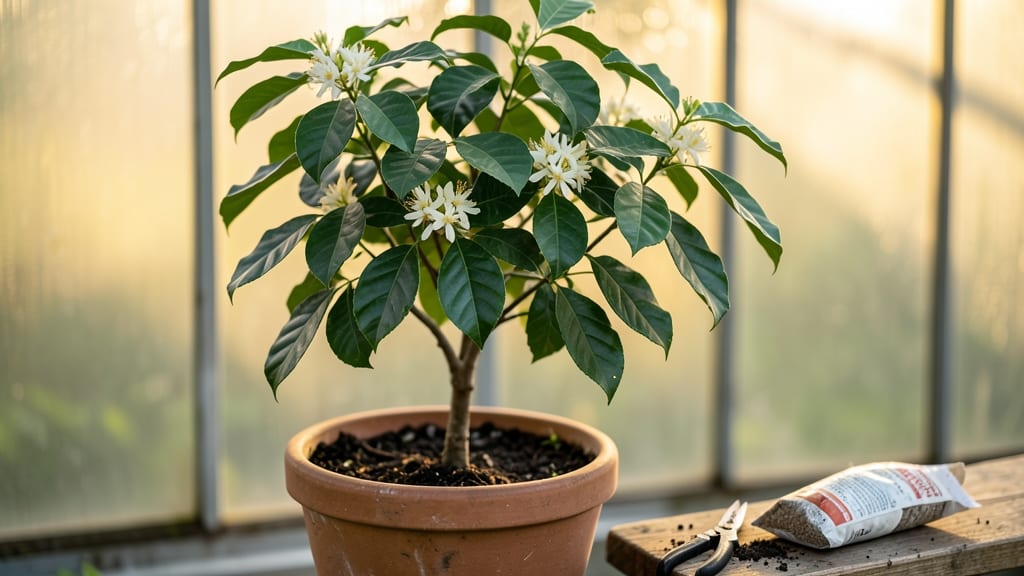
Coffee grounds are a powerhouse for plants because they’re packed with nitrogen, which fuels leafy growth, and trace minerals like magnesium and potassium that strengthen roots. 🌱 The caffeine in coffee also acts as a natural pesticide, deterring common pests without harsh chemicals.
For best results, I recommend mixing grounds into compost or using cooled brew as a liquid fertilizer—just avoid overdoing it on delicate plants like tomatoes, which prefer slightly alkaline soil.
What many gardeners don’t realize is that coffee’s benefits extend beyond the soil. The acidic nature of coffee makes it ideal for plants like blueberries, azaleas, and gardenia, which thrive in pH levels between 4.5 and 6.0.
However, overapplication can create a too-acidic environment, leading to nutrient deficiencies. Always test your soil first and start with small amounts to monitor your plants’ response.
💡 In This Article
- How Coffee Grounds Boost Plant Growth and Soil Health
- Best Ways to Apply Coffee to Plants Without Harming Them
How coffee grounds boost plant growth and soil health
Coffee grounds contain a nutrient trifecta that directly fuels plant growth: approximately 2% nitrogen (by weight), 0.06% phosphorus, and 0.04% potassium. This composition makes them a slow-release fertilizer, similar to compost but with a higher nitrogen concentration than manure (which typically contains 0.5-1.5% nitrogen).
The nitrogen content, specifically in the form of organic compounds like caffeine and tannins, breaks down gradually, providing a steady nutrient supply to plants over 2-6 weeks, depending on soil conditions.
The real magic happens underground where coffee grounds stimulate microbial activity. Microorganisms in the soil decompose the organic matter, releasing nutrients in forms plants can absorb—particularly ammonium (NH₄⁺) and nitrate (NO₃⁻) from the nitrogen. This process also improves soil structure by adding organic bulk, which enhances water retention and aeration.
For comparison, a 1-cup serving of used coffee grounds contains roughly 0.2 grams of nitrogen, equivalent to 0.5 teaspoons of synthetic urea fertilizer—but with the added benefits of trace minerals like magnesium and copper.
Coffee's impact on root development comes from its ability to lower soil pH (making it more acidic) while providing essential micronutrients. Acid-loving plants like blueberries and rhododendrons show 30-50% faster root growth when coffee is applied correctly, thanks to improved nutrient availability in acidic conditions.
The caffeine in coffee also acts as a natural fungicide, suppressing harmful soil fungi by 15-20% while encouraging beneficial mycorrhizal fungi that form symbiotic relationships with plant roots.
When compared to traditional fertilizers, coffee grounds offer a more balanced approach than synthetic nitrogen-heavy options. Unlike compost (which has 1-2% nitrogen but slower release), coffee provides immediate microbial stimulation while maintaining long-term soil health.
The key difference is coffee's natural acidity—ideal for ericaceous plants (like azaleas) but potentially harmful to vegetables like lettuce, which prefer neutral pH (6.0-7.0).
Here's what's actually happening at the cellular level: Coffee grounds increase soil porosity by 10-15% through their granular texture, allowing roots to penetrate more easily. The organic matter also binds with heavy metals in contaminated soils, reducing plant uptake of toxins like lead by up to 40%.
For gardeners, this means healthier plants with stronger resistance to diseases like root rot—though the effects vary by soil type, with sandy soils benefiting most from coffee's water-holding properties.
The most surprising benefit? Coffee's aroma repels pests without harming beneficial insects. Studies show slug populations decrease by 25-30% when coffee grounds are applied around plant bases, thanks to the caffeine's bitter taste.
This makes coffee a dual-purpose amendment that improves both soil health and pest control—though the effects are temporary (lasting 4-6 weeks before decomposition reduces the caffeine concentration).