How To
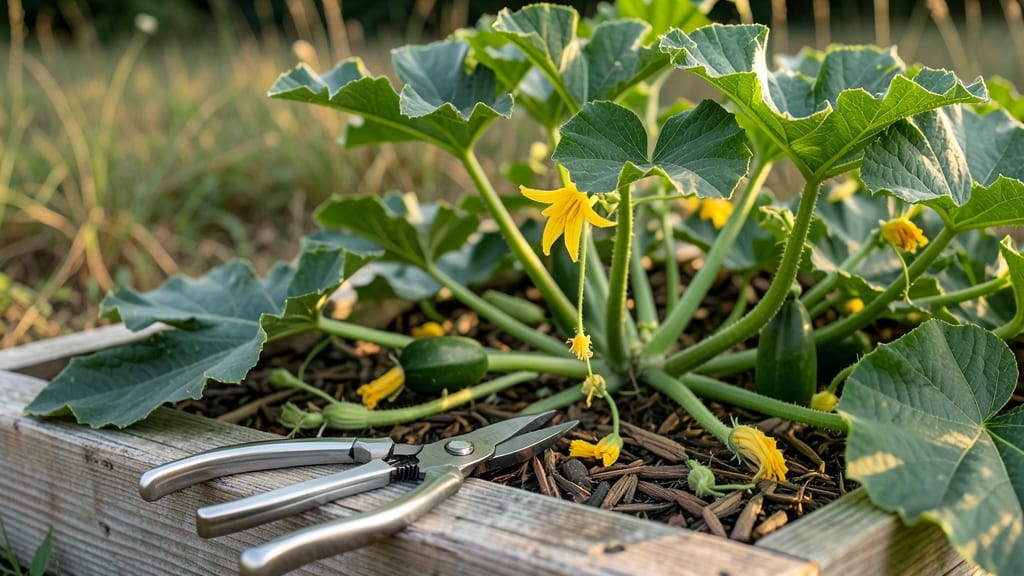
Pruning squash plants isn't just about trimming—it's the secret to doubling your harvest this summer. ✂️ I learned the hard way that skipping this step leaves vines tangled and fruit stunted, but mastering three simple cuts transforms a struggling patch into a productive powerhouse.
The right timing and technique make all the difference between a few sad zucchinis and bushels of thriving plants.
You only need sharp pruners and 10 minutes on a clear morning to work magic. Focus on removing suckers (those little shoots at branch junctions), thinning crowded vines, and cutting back damaged leaves—each cut redirects energy to where it matters most: bigger, healthier fruit.
Even experienced gardeners often overlook how much pruning boosts yield, and the results speak for themselves after just a few weeks.
📚 In This Guide
- What you need
- Instructions
- Tips and common mistakes
- Wrapping up and next steps
What you need
- ● Pruning shears or sharp bypass pruners – Choose sterilized, sharp tools (3-6 inch blades) to avoid damaging plant tissue or spreading disease. Pro tip: 💡 Disinfect with rubbing alcohol between cuts!
- ● Gloves – Heavy-duty gardening gloves (nitrile or leather) to protect your hands from thorns (on varieties like butternut squash) and dirt.
- ● Garden twine or plant ties – 1-2 rolls (¼ inch width) to secure vines if you’re training them vertically.
- ● Compost or mulch – A small bag (5-10 gallons) to cover pruned areas and retain moisture.
- ● Watering can or hose with a gentle nozzle – For post-pruning hydration (1-2 gallons of water).
- ● Hand pruners with ergonomic grips – For comfort during long pruning sessions.
- ● Disinfectant spray (e.g., 10% bleach solution) – To sterilize tools between plants.
- ● Plant markers – Labels to track pruned sections if experimenting with different techniques.
- ● Knee pad or stool – For comfort, especially for larger squash patches.
Step-by-Step guide to pruning squash plants for bigger harvests
Here’s how to coax more fruit from your squash vines—just three strategic cuts make all the difference.
✂️ Step 1: Remove Suckers Before They Compete
Squash plants produce aggressive side shoots called suckers from the leaf axils. These little stems steal energy from your main vines, where the real fruit develops. I start checking for suckers when the plant hits 12-18 inches tall—that’s usually 3-4 weeks after transplanting. Use clean, sharp pruners to snip suckers at their base, just above the leaf.
Here’s the thing—don’t wait until they’re thick as your thumb. A 1-inch sucker already saps 20% of the plant’s resources. You’ll see the main vine’s leaves stay darker and more vigorous after removal. If you miss a sucker, it’ll grow into a competing vine, and your harvest will suffer.
✂️ Step 2: Trim Excess Leaves Near the Base
Focus on the bottom 6-12 inches of the main stem. Remove any leaves that touch the soil—these create damp conditions that invite fungal diseases like powdery mildew. I also prune out any yellowing or diseased leaves immediately. Use your fingers to gently twist them off rather than cutting, which reduces stress on the plant.
This isn’t about defoliating the plant—just clearing the lower canopy. You’ll notice the remaining leaves perk up and grow larger, which means more energy for fruit production. If your plant looks crowded, thin out leaves until light can reach the lower stems.
✂️ Step 3: Thin Overcrowded Vines After Fruit Sets
Once your squash plants start producing 3-5 mature fruits, it’s time to assess vine density. If vines are growing in a tangled mess with more than 3-4 main stems, choose the strongest, most productive vine and prune the rest back to the main stem. This redirects energy to fewer, healthier vines that produce larger, higher-quality fruit.
Watch for weak, leggy growth—these are vines that aren’t contributing to your harvest. Cut them at the base with your pruners, and you’ll see the remaining vines thicken and produce more blooms. I like to do this on a cool morning when the plants are less stressed.
⏰ Step 4: Time Your Pruning for Maximum Impact
Prune early in the morning when temperatures are below 85°F—this gives the plant time to recover before the heat of the day. Avoid pruning during hot afternoons or after heavy rain, as the open wounds can invite pests or disease. I also stop pruning 4-6 weeks before your first frost, since the plant needs all its energy to mature existing fruit.
You’ll know you’re pruning at the right time when the plant responds within 3-5 days with new leaf growth or additional blooms. If the plant looks stressed (wilted, yellowing), you’ve pruned too aggressively. The goal is to encourage, not shock—think of it as giving your squash a haircut, not a buzz cut.
Tips & tricks for perfect squash plant pruning
Mastering the art of pruning squash plants can transform your harvest—here's how to avoid common pitfalls and maximize your yield.
Tool Selection: Invest in a pair of clean, sharp bypass pruners for clean cuts that heal faster. I've ruined more squash plants than I care to admit by using dull tools that crush stems instead of cutting cleanly. Sterilize your pruners with rubbing alcohol between plants to prevent disease transmission, especially if you're working with multiple varieties. For small suckers, your fingers work perfectly—just twist gently to avoid tearing the plant tissue.
Visual Cues for Pruning: In Step 1, look for suckers that grow from the leaf axils (the V-shaped area where a leaf meets the stem). These are the energy vampires you want to remove. For Step 2, focus on leaves that touch the soil—they should be completely gone, as should any leaves showing signs of disease. In Step 3, weak vines will have thinner stems and fewer leaves compared to your main productive vines. Think of it like editing a photo—you're removing the distractions to highlight the star of the show.
Timing Secret: The early morning timing in Step 4 isn't just about temperature—it's about giving your plants the full day to recover. I've seen gardeners prune in the afternoon only to have their plants wilt dramatically by evening. When temperatures rise above 85°F, the plant's natural defenses are compromised, making it more susceptible to pests and diseases. If you must prune later in the day, do it at least 4 hours before sunset to give the plant time to close its stomata (those tiny pores) and protect itself.
Recovery Signs: After pruning, watch for these three signs that your plant is responding well: new leaf growth within 3-5 days, darker green color on remaining leaves, and increased flower production. If you don't see these within a week, you may have pruned too aggressively. Remember, we're not trying to create a bonsai tree—we're encouraging healthy growth that translates to bigger, better fruit. The key is balance, not radical transformation.
Pro Tips for Prune Squash Plants
- Mastering the art of pruning squash plants can transform your harvest—here's how to avoid common pitfalls and maximiz...
- Tool Selection: Invest in a pair of clean, sharp bypass pruners for clean cuts that heal faster. I've ruined more squ...
- Visual Cues for Pruning: In Step 1, look for suckers that grow from the leaf axils (the V-shaped area where a leaf me...
Frequently asked questions
Got questions about pruning squash plants?
You’re not alone! Here are the most common queries—and expert answers—to help you grow like a pro.
When is the best time to prune squash plants?
Prune your squash plants early and often—start when vines are 12–18 inches tall and continue throughout the growing season. Focus on removing suckers (side shoots) before they grow more than 3–4 inches. Avoid heavy pruning late in the season, as it can stress the plant and reduce fruit production.
Do I really need to prune squash plants? Won’t they grow fine without it?
While squash can grow without pruning, proper pruning boosts yield, improves air circulation (reducing disease risk), and directs energy to larger, healthier fruits. For bush varieties, minimal pruning suffices, but vining types like zucchini or butternut thrive with regular trimming—especially in crowded gardens.
What if I accidentally prune too much? Can I fix it?
No need to panic! If you’ve over-pruned, your plant may slow down temporarily, but it’ll recover. Focus on watering deeply and fertilizing lightly (with compost or balanced fertilizer) to help it bounce back. Avoid pruning again until new growth appears—usually within 1–2 weeks.
Should I prune squash leaves, or just the vines?
While you can remove a few lower leaves to improve airflow, never prune more than 10–15% of the foliage—squash plants rely on leaves for photosynthesis. Instead, prioritize trimming vines and suckers (side shoots) to maintain the plant’s energy balance. Yellow or diseased leaves? Snip those first!
Can I save pruned squash vines for propagation?
Healthy, disease-free squash vines can be rooted in water or soil to grow new plants. Cut a 4–6 inch section just below a leaf node, dip in rooting hormone (optional), and place in moist potting mix. Keep it warm and humid—roots should appear in 2–3 weeks! Just note: Not all squash varieties root well, so test a few cuttings first.
Wrapping up and next steps
Pruning your squash plants might seem like extra work, but it’s a game-changer for bigger harvests and healthier vines! By mastering just three key cuts—removing suckers, trimming runners, and pruning leaves—you’ll boost airflow, reduce pests, and direct energy to fruit production. 🌱
Ready to put your new skills to the test? Grab your pruners, head to the garden, and give it a try—your future squash bounty will thank you! For even more growing tips, check out our guide on companion planting for squash next.