Aphids
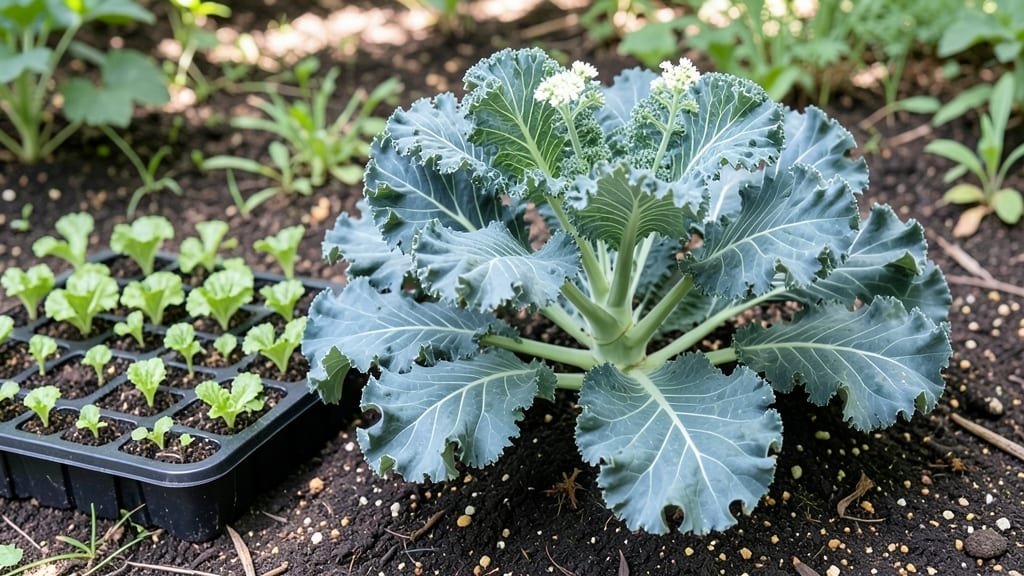
Planting kale in summer can actually work—if you pick the right varieties and give them shade. 🌿 I learned this the hard way after my first summer crop bolted faster than a jackrabbit in July, but now I grow heat-tolerant types like 'Vates' and 'Red Russian' that stay crisp and productive even when temperatures climb.
The secret isn't just choosing heat-resistant varieties—it's about timing, too. Start seeds indoors 4-6 weeks before your last frost, then transplant seedlings in late afternoon to avoid scorching.
Space them 12-18 inches apart in well-draining soil mixed with compost, and water deeply once a week (more if your area gets dry).
You'll harvest lush, dark green leaves in 6-8 weeks, and the plants keep producing for months if you pick outer leaves first. The key to avoiding bolting is keeping roots cool—mulch heavily and provide afternoon shade with row covers or shade cloth if temps hit 85°F or higher.
Companion plants like nasturtiums and borage deter pests while improving flavor, and a light dusting of diatomaceous earth keeps aphids off without chemicals. With these tricks, summer kale becomes one of the most reliable crops in your garden.
📚 In This Guide
- What you need
- Instructions
- Tips and common mistakes
- Wrapping up and next steps
What you need
- ● Kale Seeds or Seedlings: Pest-resistant varieties (e.g., Red Russian, Winterbor, or Lacinato—avoid Curly Kale for summer planting). Quantity: 10–20 seeds (or 3–5 seedlings) per 10 sq ft of garden space.
- ● Growing Space: Full sun (6+ hours/day) or partial shade (4–6 hours). Well-draining soil (pH 6.0–7.0). Container (12"+ depth) or in-ground plot (18" spacing between plants).
- ● Soil Amendments: Compost (2–3 cups per planting hole). Balanced fertilizer (5-5-5 or organic options like fish emulsion).
- ● Watering Supplies: Drip irrigation or watering can (1–2 gallons per plant, 2x/week).
- ● Pest Control: Neem oil (1 tsp/gallon water) or insecticidal soap (for aphids). Row covers (fine mesh) to deter cabbage moths.
Step-by-Step instructions for planting kale in summer
Summer kale thrives with the right pest-resistant varieties and careful timing.
🌱 Step 1: Select Pest-Resistant Kale Varieties
Choose varieties bred for summer resilience, like 'Lacinato' or 'Red Russian.' These handle heat better than standard types and resist common pests like cabbage worms and aphids. I always opt for organic seeds or transplants from trusted nurseries to avoid introducing diseases into my garden.
Check seed packets for maturity dates—look for varieties that mature in 45-60 days. This ensures you harvest before summer heat stresses the plants. If you're starting from seed, sow them indoors 4-6 weeks before your last frost date for a head start.
🪴 Step 2: Prepare the Planting Site
Kale needs well-draining soil rich in organic matter. Amend the soil with 2-3 inches of compost mixed into the top 6 inches of soil. I like to work in a handful of granular organic fertilizer (10-10-10) at planting time for an extra nutrient boost.
Choose a location with partial shade—morning sun and afternoon shade protect leaves from scorching. Kale can tolerate full sun in cooler climates, but in hot summers, afternoon shade extends harvest time. Test the soil pH; kale prefers 6.0-7.0. If your soil is too acidic, add lime to adjust.
🌿 Step 3: Plant Kale Seedlings or Seeds
If using transplants, space them 12-18 inches apart in rows 24 inches apart. Dig a hole slightly larger than the root ball, place the seedling in, and firm the soil around it. Water deeply to settle the roots—you’ll know it’s right when the soil surface looks slightly damp but not soggy.
For direct sowing, plant seeds ½ inch deep and 1 inch apart. Thin seedlings to 12-18 inches apart once they develop 2-3 true leaves. I use a small hand trowel to carefully remove weaker seedlings, ensuring I don’t disturb the roots of the ones I keep. This prevents competition and promotes stronger growth.
💧 Step 4: Water and Mulch for Summer Success
Water deeply twice a week, aiming for 1 inch of water per week. Kale hates dry soil, so I water in the early morning to reduce evaporation and fungal risks. Use a soaker hose or drip irrigation to keep leaves dry—wet foliage attracts pests like slugs and aphids.
Apply 2-3 inches of organic mulch (like straw or shredded leaves) around plants to retain moisture and suppress weeds. Mulch also keeps soil temperatures stable, which is critical in summer heat. Replenish mulch as it breaks down to maintain coverage.
✂️ Step 5: Monitor and Maintain for Bountiful Harvests
Inspect plants weekly for pests, focusing on the undersides of leaves where aphids and cabbage worms hide. I use neem oil or insecticidal soap at the first sign of trouble—these are effective and safe for edible plants. For severe infestations, handpick larvae or use row covers to protect young plants.
Harvest outer leaves when they reach 6-8 inches to encourage continuous growth. Avoid cutting into the center, as this can stunt the plant. In hot climates, harvest frequently to prevent bolting—the plant’s natural response to stress. With proper care, your kale will keep producing well into fall.
Tips & tricks for perfect summer kale planting
These tried-and-true strategies will help you grow thriving summer kale that resists pests and produces abundantly.
Variety Selection Matters: While 'Lacinato' and 'Red Russian' are excellent choices, consider 'Dwarf Blue Curled' for smaller spaces or 'Winterbor' for extended harvests. The 45-60 day maturity window is crucial—longer maturing varieties may struggle in intense summer heat. I've found that starting with transplants rather than seeds gives you a 2-3 week head start on pest resistance, as young seedlings are more vulnerable to cabbage worms and aphids.
Soil Preparation Secret: The 2-3 inches of compost and 6 inches of soil amendment create the perfect environment for summer kale. For even better results, mix in a handful of worm castings along with the 10-10-10 fertilizer—they add beneficial microbes that help plants absorb nutrients more efficiently. In Step 2, don't skip the soil pH test; kale's preference for 6.0-7.0 pH makes all the difference in nutrient uptake during hot months.
Planting Spacing Strategy: The 12-18 inch spacing between plants and 24 inch row spacing might seem generous, but it's essential for summer growth. This spacing allows for proper air circulation, which reduces fungal diseases that thrive in summer's humidity. When thinning seedlings in Step 3, use a small hand trowel to gently lift weaker plants—this minimizes root disturbance to the remaining seedlings and prevents shock. I've seen kale plants double in size when given this proper spacing.
Watering Wisdom: The twice-weekly watering schedule with 1 inch per week is non-negotiable in summer. I've learned the hard way that skipping watering leads to bitter-tasting leaves and stressed plants. For maximum efficiency, install a soaker hose before planting—it delivers water directly to the roots while keeping leaves dry, which is crucial for preventing fungal issues. Watering in early morning also gives foliage time to dry before evening humidity sets in.
Pro Tips for Kale Summer Planting
- These tried-and-true strategies will help you grow thriving summer kale that resists pests and produces abundantly.
- Variety Selection Matters: While 'Lacinato' and 'Red Russian' are excellent choices, consider 'Dwarf Blue Curled' for...
- Soil Preparation Secret: The 2-3 inches of compost and 6 inches of soil amendment create the perfect environment for ...
Frequently asked questions
Got questions about growing kale in the summer? You’re not alone! Here are some of the most common concerns—and expert answers—to help you crush your harvest with confidence.
Can kale really survive summer heat?
Yes, but with a twist! Most kale thrives in cooler weather (50–70°F), but heat-tolerant varieties like ‘Dwarf Blue Curled’ or ‘Lacinato’ (Dinosaur Kale) can handle summer’s warmth better. Plant in partial shade, mulch heavily, and water deeply to prevent bolting (going to seed). If temps soar above 85°F, consider shade cloth or a quick fall harvest instead.
When is the best time to plant kale for a summer harvest?
For summer planting, aim for late spring (4–6 weeks before the last frost) or early fall (6–8 weeks before the first frost). If you’re in a hot climate, try succession planting every 2–3 weeks for a staggered harvest. Avoid planting when daytime temps exceed 80°F—kale hates the heat!
How do I protect kale from aphids and pests in summer?
Aphids and cabbage worms love summer kale! Start with pest-resistant varieties like ‘Winterbor’ or ‘Red Russian’. Use these tricks:
- Neem oil spray (reapply every 5–7 days).
- Row covers (lightweight fabric) to block pests.
- Companion plants like garlic, onions, or nasturtiums to deter insects.
- Handpick large pests (like cabbage loopers) in the morning.
What’s the fastest way to revive wilted or bolting kale?
If your kale looks sad (yellowing, bitter, or flowering), act fast:
- Trim bolted flowers to redirect energy to leaves.
- Move plants to partial shade and water at the soil level (not leaves).
- Fertilize with low-nitrogen, high-potassium feed (like compost tea) to reduce stress.
- Harvest outer leaves first to give the plant a second chance.
Can I grow kale in containers during summer?
Choose large pots (12+ inches deep) with drainage holes and use a well-draining mix (like 60% potting soil + 40% perlite). Opt for bush varieties like ‘Red Russian’ or ‘Dwarf Green Curled’, which stay compact. Keep containers in morning sun/afternoon shade and water daily—containers dry out fast in summer heat.
Wrapping up and next steps
Planting kale in summer can be a game-changer—especially when you choose pest-resistant varieties like Winterbor or Lacinato! With the right prep, soil, and care, you’ll enjoy a hardy, aphid-free harvest even in warmer months.
Don’t let summer heat or pests hold you back—your garden (and taste buds!) will thank you.
Ready to dive in? Start small—try a few plants in containers or a shaded patch—and watch your confidence (and kale patch!) grow. Happy planting! 🌱