Propagation
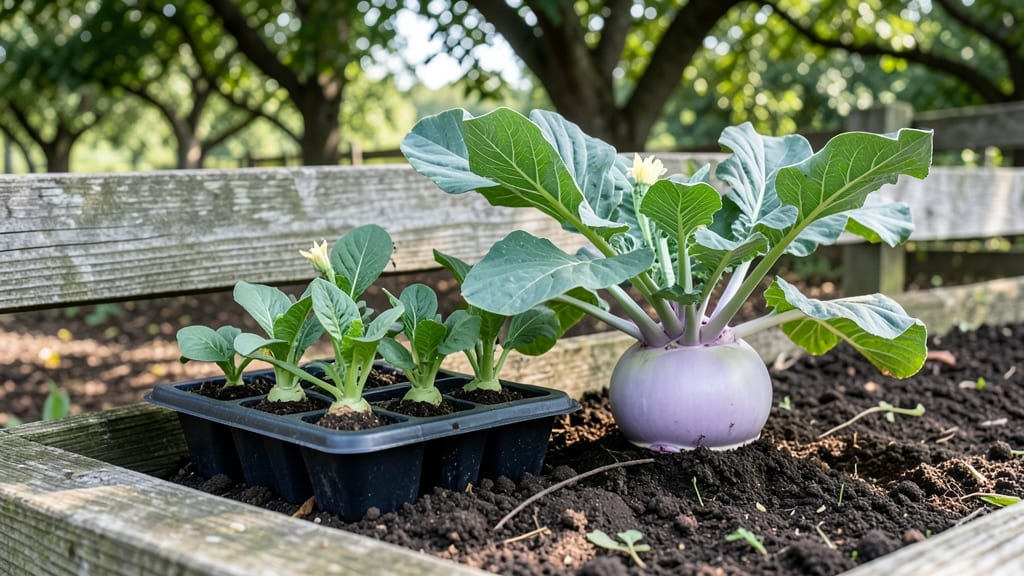
Planting kohlrabi seeds gives you a fast-growing harvest that’s ready to eat in just six weeks—no waiting months for mature roots or tomatoes. I’ve grown kohlrabi for years, and the secret to success lies in timing, soil prep, and knowing exactly when to pull those bulbous stems before they bolt.
The first time I grew it, I nearly missed the harvest window, but now I swear by this method for crisp, sweet stems every spring and fall.
You’ll need a sunny spot with well-draining soil (kohlrabi hates soggy feet), a packet of seeds, and patience for just three weeks before thinning seedlings.
The key is spacing them 12 inches apart—crowd them too close, and you’ll end up with small, tough stems instead of the tender, crunchy harvest you’re after. Kohlrabi thrives in cooler weather, so aim for early spring or late summer plantings in most climates.
Once planted, keep the soil consistently moist but not waterlogged, and watch for those first true leaves to appear in 5-7 days. That’s when the real fun begins—harvesting starts just 6 weeks after sowing, and the bulbs grow fast.
The moment they feel firm to the touch but haven’t yet turned woody, it’s time to pull them. One bite, and you’ll understand why gardeners fall in love with this underrated crop.
This method works for container gardens too—just use a deep pot (at least 12 inches) and follow the same spacing. The biggest mistake? Letting kohlrabi go to seed.
Once it bolts, the stems turn tough and bitter, so stay on top of harvests. Ready to grow your own? Let’s get those seeds in the ground.
📚 In This Guide
- What you need
- Instructions
- Tips and common mistakes
- Wrapping up and next steps
What you need
- ● Kohlrabi seeds: 1 pack (50–100 seeds, organic or heirloom varieties like ‘Purple Vienna’ or ‘White Vienna’).
- ● Seed-starting mix: 1 bag (1–2 cubic feet) of sterile, well-draining potting soil (avoid garden soil—it’s too dense!).
- ● Containers: For direct sowing: 1–2 ft wide, shallow trays or seedling flats with drainage holes.
- ● For indoor starts: 2–3 inch deep biodegradable pots or cell packs (10–20 units).
- ● Watering can or spray bottle: With a fine rose nozzle for gentle hydration.
- ○ Grow lights (optional but helpful): LED or fluorescent lights (12–16 inches above seedlings for 12–14 hours/day).
- ● Garden trowel or transplanting tool: For digging small holes in soil.
- ● Fertilizer: Balanced starter fertilizer (5-10-5 or 10-10-10) for seedlings.
- ● Low-nitrogen organic fertilizer (like fish emulsion or compost tea) once plants are established.
- ○ Mulch (optional): Straw or shredded leaves to retain moisture and suppress weeds.
- ○ Row cover or shade cloth (optional): If planting in hot climates (kohlrabi prefers cool weather).
Instructions for planting kohlrabi seeds
Here's how to get your kohlrabi growing quickly with minimal fuss.
Prepare the Soil and Planting Site
Kohlrabi thrives in loose, fertile soil with good drainage. Work the 2 gallons of garden soil and 1 cup of compost together until the mix is light and crumbly. Avoid heavy clay—it slows root growth and leads to misshapen bulbs. If your soil is dense, add ½ cup of perlite to improve aeration.
Choose a spot that gets full sun to partial shade—at least 6 hours of sunlight daily. Kohlrabi tolerates cooler temperatures better than many vegetables, so it’s perfect for early spring or fall plantings. Test the soil temperature with your finger: it should feel warm but not hot (around 50-60°F). If it’s colder, wait a few days for the ground to warm.
Sow the Seeds at the Right Depth
Scatter the 20 kohlrabi seeds in a shallow trench ½ inch deep—about the width of a pencil. Space them 2 inches apart in rows that are 12 inches apart. Kohlrabi seeds germinate quickly, so don’t plant them too deep; otherwise, they’ll struggle to reach the surface.
Cover the seeds lightly with soil and pat the area gently to ensure good seed-to-soil contact. Mist the surface with water until it’s evenly moist but not soggy. You’ll see sprouts in 3-7 days—this is one of the fastest germinators in the garden. Keep the soil consistently moist during this time, but avoid overwatering, which can cause the seeds to rot.
Thin Seedlings for Optimal Growth
Once the seedlings reach 2 inches tall, thin them to 6 inches apart in the row. Use scissors to snip unwanted plants at soil level—this prevents disturbing the roots of the remaining seedlings. Kohlrabi needs space to develop its bulb properly, so don’t rush this step. You’ll end up with 4 strong plants from the original 20 seeds.
After thinning, water the remaining seedlings at the base to settle the soil around their roots. Avoid wetting the leaves, as this can lead to fungal issues. Watch for first true leaves (the second set after the initial cotyledons)—this is your cue that the plants are established and ready for consistent care.
Maintain Moisture and Fertility
Kohlrabi grows best with 1 inch of water per week, either from rainfall or irrigation. Water deeply 2-3 times per week, focusing on the soil around the plants rather than overhead spraying. Let the top inch of soil dry out slightly between waterings to prevent rot and encourage strong root development.
Side-dress with ½ cup of compost when the plants are 4 weeks old to boost fertility. Kohlrabi is a heavy feeder, so it appreciates a little extra nutrients as it bulbs up. Avoid high-nitrogen fertilizers—they’ll encourage leafy growth at the expense of the bulb. Instead, use a balanced 10-10-10 fertilizer sparingly if needed.
Harvest at Peak Crunchiness
Kohlrabi is ready to harvest when the bulb reaches 2-3 inches in diameter—this is when it’s sweetest and most tender. Use a sharp knife to cut the bulb just above the soil line, leaving the leaves intact. The leaves are edible and nutritious, so you can harvest them separately if desired.
Harvest in the morning when the bulbs are cool and crisp. Kohlrabi bulbs can become woody and tough if left too long, so check them weekly once they start to swell. With proper care, you’ll have a fast, crunchy harvest in just 6 weeks—perfect for fresh eating or storing in the fridge for up to 2 weeks.
Tips & tricks for planting kohlrabi seeds
Here's how to turn those fast-germinating seeds into a thriving harvest—without the common pitfalls.
Soil Preparation Secret: When mixing your 2 gallons of garden soil and 1 cup of compost, sift out any large clumps or rocks first. This ensures your soil mix stays light and airy, which is crucial for those delicate kohlrabi roots. I like to add a handful of worm castings to the mix—it gives the plants a gentle nutrient boost right from the start without overloading them.
Timing Secret: Those 3-7 days until germination might feel like a long wait, but you can speed things up slightly by soaking your seeds in warm water for 4-6 hours before planting. Just make sure to plant them immediately after soaking—they won't keep well. Also, if your soil feels cooler than 50°F, consider using a seedling heat mat for the first few days to encourage faster sprouting.
Thinning Technique: In Step 3, when thinning to 6 inches apart, I recommend doing it on a cloudy day or in the evening. This reduces stress on the plants from direct sunlight while you're handling them. And here's a pro tip: use clean, sharp scissors and dip them in rubbing alcohol between cuts to prevent spreading disease between plants.
Watering Wisdom: The 1 inch of water per week guideline works perfectly, but I've found that morning watering is even better than evening. Watering in the morning gives the plants time to dry out during the day, which helps prevent fungal diseases like downy mildew. If you're using a sprinkler, adjust it to deliver water gently—kohlrabi seeds and seedlings can be delicate.
Pro Tips for Planting Kohlrabi Seeds
- Here's how to turn those fast-germinating seeds into a thriving harvest—without the common pitfalls.
- Soil Preparation Secret: When mixing your 2 gallons of garden soil and 1 cup of compost, sift out any large clumps or...
- Timing Secret: Those 3-7 days until germination might feel like a long wait, but you can speed things up slightly by ...
Frequently asked questions
Got questions about planting kohlrabi seeds?
You’re not alone! Here are answers to the most common queries—from timing to troubleshooting—to help you grow a thriving harvest.
When is the best time to plant kohlrabi seeds?
Kohlrabi thrives in cool weather, so plant seeds 4–6 weeks before your last frost date in spring or 6–8 weeks before your first frost in fall. Avoid extreme heat—seeds may rot, and plants bolt (go to seed) quickly if temperatures rise above 75°F (24°C). For year-round growing, try succession planting every 2–3 weeks.
How long does it take for kohlrabi seeds to germinate?
Kohlrabi seeds are fast germinators—expect sprouts in 5–10 days under ideal conditions (60–70°F/15–21°C soil temps, consistent moisture). Keep soil damp (not soggy) and mulch lightly to retain warmth. If germination takes longer than 2 weeks, check for old seeds or overly dry soil.
Can I grow kohlrabi in containers or small spaces?
Kohlrabi is a compact crop—plant seeds in containers at least 6–8 inches deep with 12+ inches of diameter per plant. Use well-draining potting mix and space seeds 2–3 inches apart. For succession planting, stagger seeds every 2 weeks in the same pot, thinning to the strongest seedlings.
What pests or diseases should I watch for when growing kohlrabi?
Common pests include cabbage worms, flea beetles, and aphids. Use row covers early on to deter insects, or spray with neem oil for organic control. Watch for clubroot (a soil-borne disease)—rotate crops and avoid planting in infected soil. Keep plants well-watered but not waterlogged to prevent rot.
How do I know when kohlrabi is ready to harvest?
Harvest when the bulb (the edible part) is 2–3 inches in diameter—about 6–8 weeks after planting. Press gently: it should feel firm like a small turnip. Leave the leaves on until harvest (they help the bulb grow). If bulbs get too large, they’ll turn woody and bitter. For continuous harvests, plant seeds every 2 weeks!
Wrapping up and next steps
Planting kohlrabi seeds is a rewarding journey that delivers a fast, crunchy harvest in just 6 weeks! With the right soil, spacing, and care, you’ll enjoy a versatile veggie packed with flavor and nutrients.
Whether you’re a beginner or seasoned gardener, kohlrabi’s forgiving nature makes it a perfect addition to your garden.
Now that you’re ready to sow, grab your seeds and get planting! Next up: Track your progress with our kohlrabi growth timeline to stay on top of thinning, fertilizing, and pest control—so you can savor your harvest sooner. Happy gardening! 🌱✨