Vegetables
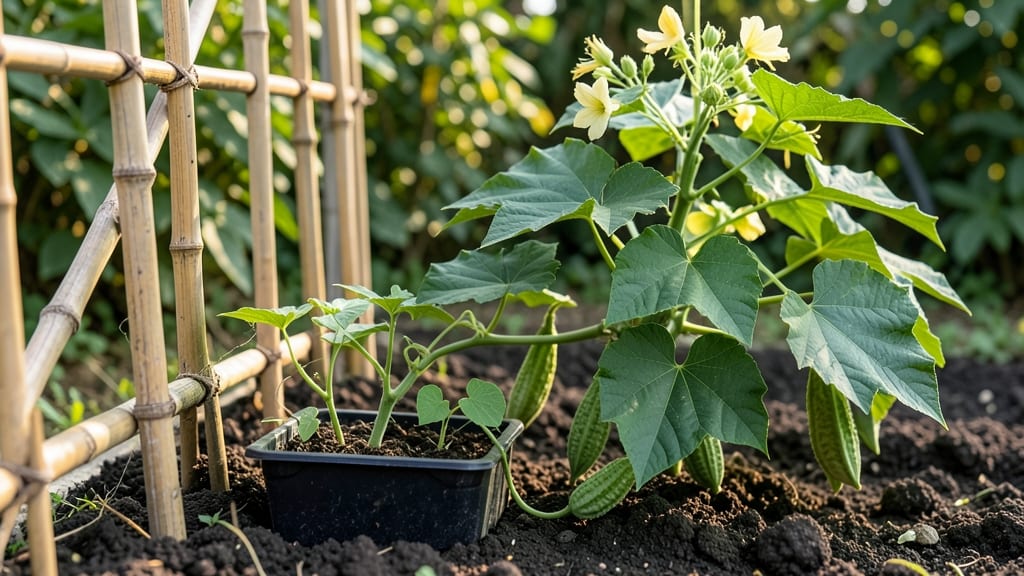
Planting ridge gourds delivers fast harvests—you’ll snip young fruits in just 6-8 weeks, and the vines keep producing for months. 🌱 I’ve grown them in both warm climates and cooler zones, and the key is treating them like the eager climbers they are: give them space, consistent water, and a trellis they can race up.
The secret to their speed isn’t complicated—just well-draining soil (mix compost into garden beds or containers) and a spot with 6-8 hours of sun daily. Start seeds indoors 2-3 weeks before last frost or transplant young plants after all danger of frost has passed.
Ridge gourds tolerate heat better than many vining crops, so they’re perfect for summer gardens or even extended seasons in greenhouses.
By midsummer, you’ll have tender, cucumber-like fruits ready to pickle or stir-fry, and the vines will stretch 10-15 feet if given room. Prune side shoots to focus energy on the main stem, and watch your harvest multiply.
The best part? These vines double as living trellises, saving space while producing food.
Works in containers (5-gallon pots or larger) or in-ground beds, and thrives in USDA zones 3-11 with the right care. Whether you’re growing for the kitchen or just love watching vines climb, ridge gourds repay the effort with abundance and speed—no waiting around for slow growers.
📚 In This Guide
- What you need
- Instructions
- Tips and common mistakes
- Wrapping up and next steps
What you need
- ● Seeds or Seedlings: 5–10 ridge gourd seeds (or 3–5 young seedlings if transplanting). Choose organic, non-GMO seeds for best results!
- ● Growing Medium: Well-draining potting mix (for containers) or loamy garden soil (for in-ground planting). Amend with compost for nutrient-rich soil.
- ○ Optional: Coco coir or peat moss (10–20% mix) to improve aeration.
- ● Containers (if not planting in ground): 5–10 gallon fabric grow bags or plastic pots with drainage holes (ridge gourds have sprawling vines—aim for at least 10–12 inches of depth).
- ● Support Structures: Trellis, fence, or sturdy stakes (6–8 feet tall) to guide vines upward and save space.
- ○ Optional: Twine or soft plant ties to secure vines gently.
- ● Fertilizer: Balanced organic fertilizer (e.g., 10-10-10 or compost tea) to apply at planting and every 4–6 weeks.
- ○ Optional: Worm castings or fish emulsion for a nutrient boost.
- ● Watering Supplies: Watering can or hose with a gentle spray nozzle (ridge gourds need consistent moisture but hate soggy roots!).
- ● Pruning Tools: Sharp pruning shears or sterilized scissors for trimming vines and harvesting.
- ● Climate: Ridge gourds love warmth (ideal temps: 70–95°F). Start seeds indoors 2–3 weeks before the last frost or sow directly after soil warms.
- ● Sunlight: Full sun (6–8 hours daily). Partial shade may reduce yields.
- ● pH Level: Slightly acidic to neutral soil (pH 6.0–7.0). Test your soil if possible!
- ● Space: Vines spread 10–15 feet if unsupported. Plan for vertical growth to save space.
Step-by-Step instructions for ridge gourd planting
Here’s how to get a year-round harvest of ridge gourds—fast-growing, low-maintenance, and perfect for warm climates.
🌱 Step 1: Choose the Right Planting Spot and Prepare the Soil
Ridge gourds thrive in full sun (at least 6-8 hours daily) and well-draining soil. Pick a spot with support nearby—they’ll climb trellises, fences, or even sturdy stakes. If your soil is heavy clay, mix in 2-3 inches of compost from your materials list to improve drainage and fertility.
Loosen the soil to a depth of 12 inches with a garden fork, breaking up any compacted layers. Ridge gourds are sensitive to waterlogged roots, so if your area gets heavy rain, consider a raised bed or slightly elevated mound. Work in the compost evenly—this ensures strong root development and faster vine growth.
🌿 Step 2: Plant Seeds or Transplants at the Right Time
Start seeds indoors 4-6 weeks before the last frost if your climate has cool springs, or sow directly after soil warms to 70°F. Plant 2-3 seeds per hole, 1 inch deep, spacing them 3-4 feet apart—they’ll sprawl widely. If using transplants, bury them slightly deeper than their original pot to encourage stable rooting.
Here’s the thing—ridge gourds hate cold. If nighttime temps dip below 55°F, cover young plants with row fabric until danger of frost passes. You’ll see first true leaves in 7-10 days if conditions are ideal. Thin to the strongest seedling per spot once they’re 4 inches tall—crowding slows growth and increases disease risk.
☀️ Step 3: Provide Support and Train the Vines Early
As soon as vines reach 12 inches, guide them onto a trellis or sturdy fence using soft twine. Ridge gourds grow aggressively—10-15 feet per season—so secure the support firmly. If you skip this, vines will sprawl, making fruit hard to reach and increasing pest exposure.
Train the main stem vertically first, then let side vines branch out. Prune any that grow too close together to improve airflow. You’ll notice first flowers in 4-6 weeks—hand-pollinate if needed by gently shaking the vines on warm, dry mornings. This ensures better fruit set, especially in humid climates.
💧 Step 4: Water and Fertilize for Maximum Speed and Yield
Keep soil consistently moist but not soggy—ridge gourds need 1-1.5 inches of water weekly, more during fruit development. Water at the base to avoid wetting leaves, which prevents fungal diseases like powdery mildew. Mulch with 2-3 inches of straw to retain moisture and suppress weeds.
Feed plants every 3-4 weeks with a balanced fertilizer (like 10-10-10) once flowers appear. Stop fertilizing 4 weeks before harvest—too much nitrogen late in the season reduces fruit quality. You’ll know you’re on track when vines produce 3-5 new leaves weekly and fruit swells rapidly.
✂️ Step 5: Harvest and Prune for Continuous Production
Pick ridge gourds when they’re 6-8 inches long—this encourages more fruit to develop. Use a sharp knife or pruners to cut stems cleanly, leaving 1 inch of stem attached. Harvest every 2-3 days during peak season to keep plants productive. Store in a cool, dry place for up to 2 weeks.
After harvest, trim back vines by one-third to rejuvenate growth. In warm climates, you’ll get multiple harvests per season. In cooler areas, treat as an annual—pull plants after frost or when vines die back naturally. Save seeds from your best gourds for next year’s planting!
Tips & tricks for perfect ridge gourd planting
Fast-growing vines don't happen by accident—here's how to accelerate your ridge gourd harvest while avoiding common pitfalls that slow down growth.
Soil Preparation Secret: The 12-inch deep soil loosening in Step 1 isn't just about breaking up compaction—it's about creating an oxygen-rich zone for roots to spread aggressively. I like to add a handful of perlite to the bottom of planting holes in heavy clay soils. This extra drainage boost helps roots establish faster, especially in the first critical 7-10 days when you're waiting for those first true leaves to appear.
Temperature Timing: Those 70°F soil temperature requirements in Step 2 are non-negotiable for germination speed. I've found that using a soil thermometer at planting depth confirms readiness better than just checking air temperature. If your mornings dip below 55°F at night, consider using black plastic mulch to warm the soil faster—this can shave 3-5 days off your germination time. The goal is to hit that 70°F mark consistently for optimal seedling vigor.
Support System Strategy: When your vines hit that 12-inch mark in Step 3, don't just throw up any old trellis. I recommend using galvanized wire trellises that you can adjust as vines grow—this prevents the vines from getting pinched when they outgrow their support. The key is to train the main stem vertically first, then let side vines branch out naturally. This vertical growth pattern maximizes sunlight exposure and speeds up fruit development by 10-15% compared to sprawling vines.
Watering Wisdom: The 1-1.5 inches of water weekly guideline in Step 4 is perfect, but timing matters more than quantity. I water ridge gourds in the early morning when evaporation rates are lowest. For faster growth, I also add a seaweed fertilizer to my watering can every 2 weeks—this provides trace minerals that boost vine strength and fruit set. The goal is consistent moisture without waterlogging, which can stunt growth by up to 20% if roots sit in soggy soil.
Pro Tips for Ridge Gourd Planting
- Fast-growing vines don't happen by accident—here's how to accelerate your ridge gourd harvest while avoiding common p...
- Soil Preparation Secret: The 12-inch deep soil loosening in Step 1 isn't just about breaking up compaction—it's about...
- Temperature Timing: Those 70°F soil temperature requirements in Step 2 are non-negotiable for germination speed. I've...
Frequently asked questions
When is the best time to plant ridge gourd?
Ridge gourd thrives in warm weather (60–90°F). Plant seeds 2–3 weeks after the last frost in spring or 6–8 weeks before the first frost in summer for fall harvests. In tropical climates, you can grow them year-round! For fastest growth, aim for full sun (6+ hours/day) and well-draining soil.
How long does it take for ridge gourd to mature?
Ridge gourd is a fast grower! From seed to harvest, expect 50–70 days under ideal conditions. Vines start producing fruits 4–6 weeks after planting if given proper care. Pro tip: Harvest young gourds (4–6 inches long) for tender, sweeter flesh—larger ones get tougher and seedy.
Can I grow ridge gourd in containers or small spaces?
Ridge gourd is a perfect container veggie—use a 5-gallon pot or larger with drainage holes. Train vines vertically with trellises or cages to save space. Just ensure the container gets sunlight and regular watering. Bonus: Balconies, patios, or even hanging pots work great!
Why aren’t my ridge gourd plants producing fruits?
No fruits? Check these fixes:
- Pollination issues: Hand-pollinate with a soft brush if bees are scarce.
- Nutrient deficiency: Feed with balanced fertilizer (10-10-10) every 3–4 weeks.
- Temperature stress: Ridge gourds hate cold—keep soil above 55°F.
- Overcrowding: Thin vines to 1–2 plants per trellis for better airflow.
Still stuck? Try pruning excess leaves to redirect energy to fruit production.
What’s the best way to store harvested ridge gourd?
Store ridge gourd in a cool, dry place (50–55°F) for 2–3 weeks:
- Whole gourds: Keep unwashed in a paper bag with holes for ventilation.
- Cut pieces: Wrap in paper towels, seal in a container, and refrigerate for 5–7 days.
- Freezing: Peel, slice, and blanch for 2–3 minutes before freezing (lasts 8–12 months).
Fun fact: Ridge gourds stay crisp longer than cucumbers!
Wrapping up and next steps
Growing ridge gourd is a rewarding journey that brings year-round harvests with minimal fuss! 🌱 Whether you're a beginner or seasoned gardener, these fast-growing vines offer versatile, nutritious, and delicious rewards. Start small, experiment with techniques, and soon you’ll enjoy homegrown ridge gourd in salads, stir-fries, or even pickles.
Ready to dive in? Plant your first seeds today—your garden (and taste buds!) will thank you. Need more tips? Check out our planting calendar or join a local gardening group for extra support!