Companion Plants
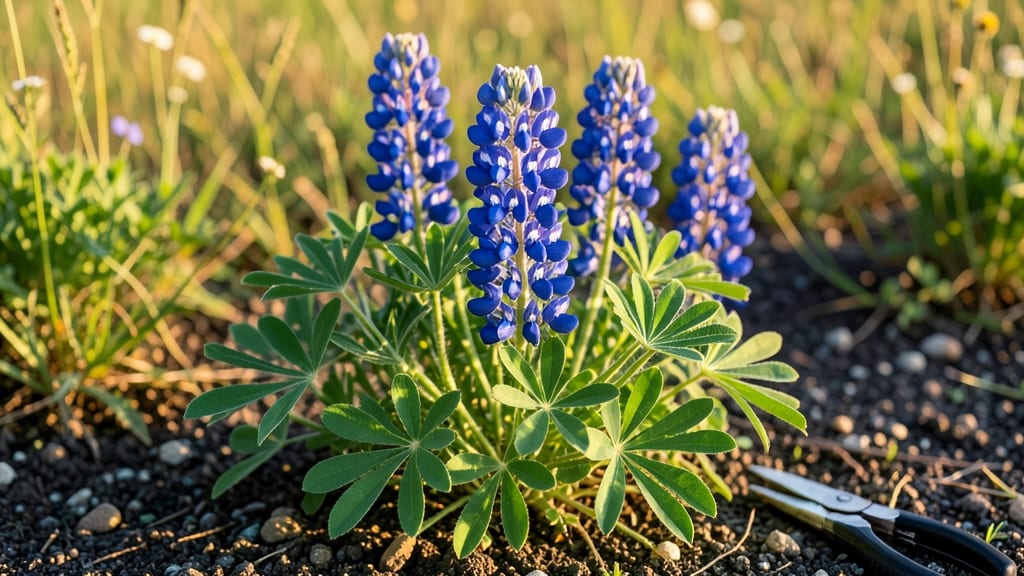
Spitting on plants doesn't actually help them grow—saliva contains tiny amounts of nitrogen and enzymes, but these trace nutrients are far less effective than proven fertilizers or organic compost. In fact, overdoing it could introduce harmful bacteria or salt buildup that damages roots instead.
Saliva’s nitrogen content is real, but it’s so minimal that plants won’t notice the difference. 🌱 Think of it like sprinkling a pinch of salt on a steak—it’s there, but it won’t transform the meal.
Instead, I recommend using diluted compost tea or fish emulsion, which provide balanced nutrients without the risks. The key is consistency: plants thrive on steady, nutrient-rich care, not quick fixes.
What’s more surprising is how saliva’s pH—typically neutral to slightly acidic—can actually disrupt a plant’s natural soil chemistry over time. That’s why gardeners swear by alternatives like banana peel water (rich in potassium) or diluted molasses (a natural sugar that feeds soil microbes).
These methods deliver real, measurable benefits without the guesswork.
💡 In This Article
- Saliva Composition and Plant Growth Science
- Natural Alternatives to Saliva for Plant Care
Saliva composition and plant growth science
Human saliva contains trace amounts of nitrogen—about 0.001% to 0.005% of its total composition—primarily from proteins like amylase and urea breakdown. While this nitrogen is technically a plant nutrient, the quantities are so minuscule that they’re barely measurable in soil tests.
For comparison, a typical 1 teaspoon of saliva contains roughly 0.00005 grams of nitrogen, while a single 1 cup of compost provides 0.5 to 1.5 grams. That’s a 10,000x difference in nutrient density. 🌱
The enzymes in saliva, like amylase (which breaks down starches), don’t persist long enough in soil to benefit plants. These enzymes degrade within minutes to hours when exposed to sunlight and microbial activity.
Meanwhile, natural fertilizers like compost or manure release nutrients gradually over weeks to months, creating a sustained food source for roots. Saliva’s pH—typically 6.2 to 7.4—is also neutral enough to avoid immediate harm, but repeated applications can disrupt soil microbial balance over time.
What’s often overlooked is the bacterial load in saliva. A single mouthful contains 100 million to 1 billion bacteria, including Streptococcus and Lactobacillus species. While most are harmless, introducing them to soil can alter microbial communities, sometimes suppressing beneficial fungi like mycorrhizae, which help plants absorb nutrients.
This is why gardeners notice no growth boost—the risks often outweigh any theoretical benefits.
Let’s compare saliva to compost tea, a proven organic fertilizer. A properly brewed compost tea contains 100 to 1,000 times more nitrogen, along with phosphorus, potassium, and micronutrients like calcium and magnesium.
It also introduces beneficial microbes that actively improve soil structure. The difference? Compost tea is engineered for plant uptake, while saliva is a biological byproduct with negligible agricultural value. 💡
Another critical factor is salinity buildup. Saliva contains small amounts of sodium and chloride, which can accumulate in soil over time. While a single application is harmless, repeated spit applications—especially in potted plants with limited drainage—can lead to salt stress, causing leaf burn or root damage.
This is why professional growers avoid "home remedies" and instead use balanced, lab-tested fertilizers.
Here’s the hard truth: Plants don’t "need" saliva to grow. They thrive on carbon dioxide, water, sunlight, and soil nutrients. Saliva might feel like a low-stakes experiment (and it’s harmless in small doses), but it’s not a substitute for proven gardening practices.
If you’re looking for a free, natural alternative, try diluted banana peel water (rich in potassium) or crushed eggshells (a calcium source) instead. These deliver real benefits without the guesswork. 🌿