
Companion Plants
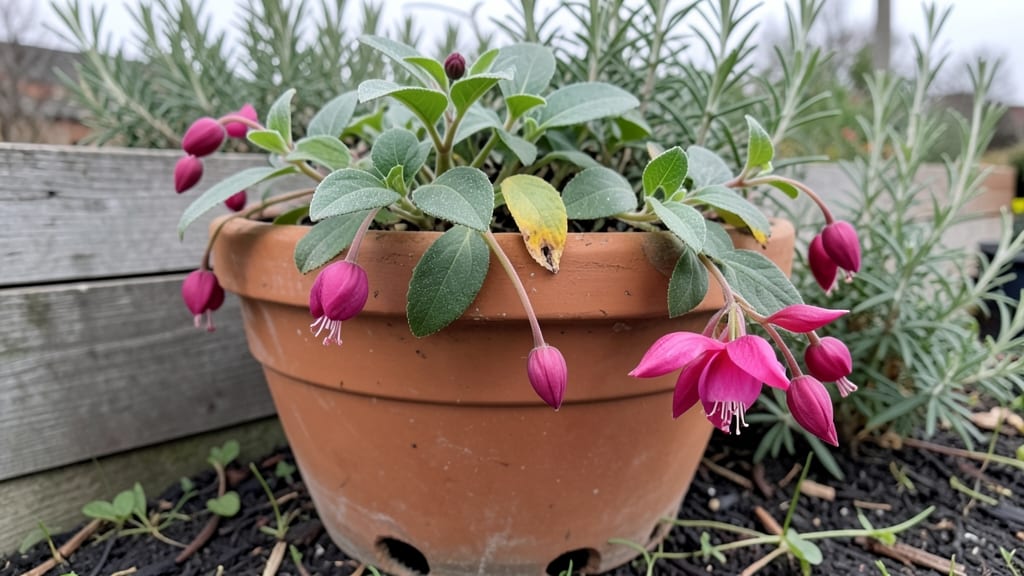
My best dangling plants aren’t just pretty—they’re the secret weapon for filling empty spaces with cascading color and texture, no trellis required. 🌿 I’ve tested these vines in everything from hanging baskets to window boxes, and they consistently deliver that "wow" factor without the fuss of staking or tying.
The key is choosing plants that naturally trail, whether they’re flowering, foliage-focused, or a mix of both.
These plants shine in containers, along fences, or even spilling over shelves, and most handle partial shade better than you’d think. Think trailing lobelia for delicate blooms, sweet potato vine for lush green waves, or creeping jenny for a bright, sunlit cascade.
They’re all low-maintenance once established, with watering needs that won’t overwhelm even the busiest gardener.
What you’ll get is a garden that feels fuller, softer, and more dynamic—like a living waterfall in every corner. The best part? Many of these thrive year-round in mild climates, or with minimal winter protection, so you’re not starting from scratch every spring.
Let’s dive into the top picks that’ll transform your space effortlessly.
Whether you’re working with a balcony, a sunny patio, or a shady corner, these dangling beauties adapt without losing their charm. The trick is matching the right plant to your light conditions and style—some are bold, some are subtle, and all are foolproof once you know their preferences.
Ready to add some movement to your garden?
📚 In This Guide
- What you need
- Instructions
- Tips and common mistakes
- Wrapping up and next steps
What you need
- ● Dangling plants (3–5 varieties) – Choose from: String of Pearls (Senecio rowleyanus) – 1–2 plants
- ● String of Hearts (Ceropegia woodii) – 1 plant
- ● Trailing Pothos (Epipremnum aureum) – 1–2 cuttings
- ● Burro’s Tail (Sedum morganianum) – 1–2 plants
- ● Creeping Fig (Ficus pumila) – 1 plant
- ● Containers (3–5) – Hanging baskets (6–12" diameter), macramé hangers, or deep pots with drainage holes.
- ● Well-draining potting mix (5–10 lbs) – Cactus/succulent mix or a blend of 60% potting soil + 40% perlite/pumice.
- ○ Drainage material (optional but recommended) – 1–2" layer of pebbles, lava rock, or broken pottery per container.
- ● Pruning shears or scissors – For trimming vines (sterilized with rubbing alcohol).
- ● Watering can or spray bottle – 1–2 (small spout for delicate foliage).
- ○ Fertilizer (optional) – Balanced liquid fertilizer (10-10-10 or 20-20-20) – 1 bottle
- ● OR slow-release granules (e.g., Osmocote) – 1–2 tbsp per container.
- ○ Gloves (optional) – For handling prickly plants like String of Pearls.
- ● Sunlight assessment – Identify spots with 4–6 hours of indirect light (most danglers thrive here!).
- ● 🌡️ Temperature: Most danglers love 65–80°F (18–27°C). Avoid drafts or extreme heat.
- ● ✨ Humidity hack: Group plants together or use a pebble tray with water to boost moisture.
- ● 🎯 Watering rule: Let the top 1–2 inches of soil dry out between waterings (overwatering = root rot!).
How to create a stunning year-round dangling plant display
Transform any space into a lush, cascading paradise with these easy-care vines that thrive without support.
🌱 Step 1: Select the Perfect Dangling Plants
Start with four of these top-performing, self-supporting vines: string of hearts (Ceropegia woodii), creeping fig (Ficus pumila), trailing philodendron (Philodendron hederaceum), and creeping jenny (Lysimachia nummularia). Each brings a different texture and color to your display. I always pick healthy, well-established plants with multiple stems—this ensures immediate impact and faster growth.
Check the growth rate on the tags: string of hearts grows 12-18 inches per year, while creeping jenny spreads 6-12 inches annually. Place them in separate containers at first so you can monitor their individual needs before combining them in a shared hanging planter.
🪴 Step 2: Choose and Prepare the Hanging Planters
Use four 10-12 inch diameter hanging baskets with built-in drainage holes—these are perfect for creating a cascading effect. I like macramé baskets for their natural look, but plastic or ceramic with drainage works too. Line the bottom with a 1-inch layer of pebbles to improve drainage and prevent root rot, which is especially critical for trailing plants.
Fill each basket with 2 gallons of well-draining potting mix, mixing in a handful of perlite for extra aeration. Press the soil down gently but don't compact it too tightly—you want roots to spread easily. Leave about 1 inch of space at the top for watering without spilling.
☀️ Step 3: Plant and Arrange for Maximum Impact
Dig a hole in the center of each basket large enough to accommodate the plant's root ball. Place the plant in, then fill the sides with soil, pressing lightly to secure it. For string of hearts and trailing philodendron, I tuck the stems around the edge of the basket so they spill over dramatically. The creeping fig and creeping jenny can go in the center—they'll spread outward naturally.
Arrange the four baskets at varying heights—hang one at 3 feet, one at 4 feet, and two at 5 feet—to create a dynamic, layered effect. Place them near a bright, indirect light source (like an east-facing window) where they'll receive 4-6 hours of sunlight daily. Avoid direct midday sun, which can scorch delicate leaves.
💧 Step 4: Water and Maintain for Lush Growth
Water each basket thoroughly until water drains freely from the bottom. Let the top inch of soil dry out between waterings—overwatering is the fastest way to kill these plants. I check moisture by sticking my finger in the soil; if it feels damp 1 inch down, wait another day. During summer, you may need to water every 2-3 days, while winter care might only require watering once a week.
Feed your plants every 4-6 weeks with a balanced liquid fertilizer diluted to half strength. I always fertilize in the morning so the plants have time to absorb nutrients before the heat of the day. Wipe the leaves occasionally with a damp cloth to remove dust—this helps them photosynthesize efficiently and keeps them looking vibrant.
✂️ Step 5: Prune and Encourage Continuous Blooms
Trim back leggy stems in early spring to encourage bushier growth. Cut just above a leaf node where new growth will sprout. For string of hearts, pinch off the tips of trailing stems to promote more branching and fuller cascades. Deadhead spent flowers on creeping jenny to redirect energy into new blooms—you'll see fresh yellow flowers within 2-3 weeks of pruning.
Rotate the baskets every 2-3 months so all sides receive even light. This prevents plants from leaning toward one direction and keeps their growth balanced. If you notice any yellowing leaves, it's usually a sign of overwatering or poor drainage—adjust your care routine immediately to save the plant.
Tips & tricks for perfect year-round dangling plant displays
Creating a show-stopping cascading display isn't just about picking pretty plants—it's about understanding their unique needs and maximizing their natural beauty. Here are the secrets to making your hanging vines truly thrive.
Plant Selection Wisdom: When choosing your plants, look for healthy specimens with vibrant leaves and multiple stems—this gives you instant fullness and faster growth. I always check the growth rate tags: string of hearts grows 12-18 inches annually, so it'll create dramatic cascades faster than the 6-12 inch spread of creeping jenny. Pro tip: Start with separate containers to monitor each plant's light and water needs before combining them—this prevents one plant from outcompeting the others.
Baskets and Drainage: The 1-inch layer of pebbles in your hanging baskets isn't just for looks—it's a game-changer for drainage. I've learned the hard way that poor drainage leads to root rot, especially with trailing plants. Use well-draining potting mix and leave that 1-inch space at the top for watering without spilling. For extra insurance, add perlite to your mix—it creates air pockets that roots love.
Light Placement Strategy: The 4-6 hours of bright, indirect light is critical for all these plants, but each has different tolerance levels. Place your trailing philodendron and creeping fig where they'll get the most light—they're the hungriest for sunlight. The string of hearts and creeping jenny can handle slightly lower light conditions, making them perfect for adding depth to shadier spots. Rotate your baskets every 2-3 months to ensure even growth all around.
Watering Secrets: The "top inch dry" rule is your best friend, but timing matters too. Water in the morning so plants have all day to absorb moisture before evening. During summer's heat, I water every 2-3 days, but in winter, once a week is plenty. And here's a trick: water until it drains freely from the bottom—this ensures the roots get properly hydrated. Use room-temperature water to avoid shocking the plants.
Pro Tips for Best Dangling Plants
- Creating a show-stopping cascading display isn't just about picking pretty plants—it's about understanding their unique needs and maximizing their natural beauty.
- Plant Selection Wisdom: When choosing your plants, look for healthy specimens with vibrant leaves and multiple stems—this gives you instant fullness and faster growth.
- Baskets and Drainage: The 1-inch layer of pebbles in your hanging baskets isn't just for looks—it's a game-changer for drainage.
Frequently asked questions
Got questions about dangling plants?
You’re not alone! Here are answers to the most common queries to help you grow lush, low-maintenance vines with confidence.
What are the easiest dangling plants for beginners?
Start with string of pearls (Senecio rowleyanus) or string of hearts (Ceropegia woodii)—both are drought-tolerant, fast-growing, and thrive in bright, indirect light. For shade lovers, pothos (Epipremnum aureum) or Swedish ivy (Plectranthus verticillatus) are forgiving picks with minimal fuss.
How long does it take for dangling plants to trail?
Most trailing plants start showing vines in 4–8 weeks with proper care (bright light, occasional watering). Faster growers like pothos or trailing philodendron may reach 12+ inches in 2–3 months, while slower varieties (e.g., burro’s tail) take 3–6 months to cascade beautifully.
How often should I water dangling plants?
Let the top 1–2 inches of soil dry out between waterings—most dangling plants (like succulents or string of pearls) prefer underwatering over soggy roots. In warmer months, water every 10–14 days; reduce to every 3–4 weeks in winter. Stick your finger in the soil to check!
Can I grow dangling plants in hanging pots without drainage?
Nope! Without drainage, roots rot and kill your plant. Use terracotta, fabric, or plastic pots with holes (or DIY a drainage layer with pebbles). For no-drainage setups, opt for self-watering planters or moisture-retentive mixes—but monitor closely to avoid overwatering.
Why are my dangling plant’s leaves turning yellow or brown?
Yellow leaves often mean overwatering (check soil moisture), while brown tips signal low humidity or underwatering. Pests like spider mites or mealybugs can also cause stress—wipe leaves with soapy water or use neem oil if you spot tiny webs or cottony residue. Move to brighter light if growth stalls!
Wrapping up and next steps
Transforming your space into a lush, cascading oasis has never been easier! Whether you’re drawn to the delicate charm of String of Hearts or the bold beauty of Trailing Lantana, these dangling plants promise year-round elegance with minimal fuss. 🌿✨
Now that you’re armed with the best options and care tips, why not start small? Pick one plant from this list, grab a pot, and let nature do the rest—your balcony, patio, or windowsill will thank you!
For even more inspiration, explore container gardening combos or hanging planter ideas to elevate your green thumb game.