Planting
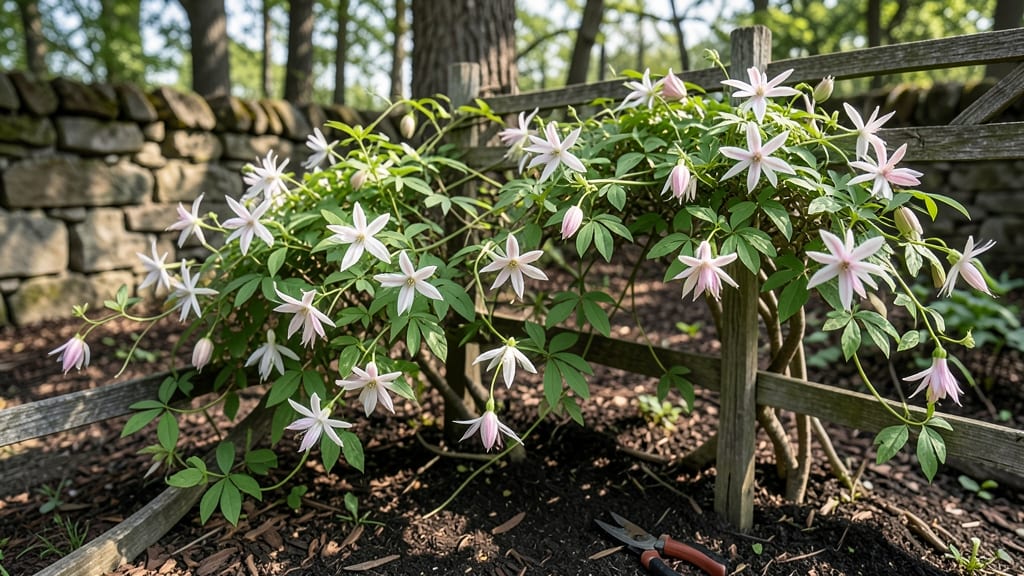
Unlocking the world of clematis plant names feels like opening a treasure chest of garden magic—where each variety, like the bold 'Jackmanii' or the dreamy 'Nelly Moser,' whispers secrets of color, size, and charm. 🌿 growing habits.
I’ve grown more than a dozen myself, and the right variety can transform a bare wall into a lush vertical garden or add drama to a cottage-style border.
Some clematis thrive as woody shrubs, like the 'Montana' series, while others climb like vines, reaching heights of 10 feet or more. The key to choosing the right one lies in understanding their needs—sunlight, support structures, and pruning groups.
My 'Hagley Hybrid' clematis, for example, blooms twice a year and handles partial shade better than most, making it a foolproof pick for shadier spots.
Once you pick your favorites, the real magic happens in the garden. Imagine velvety blue 'Perle d'Azur' cascading over an arbor or the bold red 'Vyvyan Pennell' lighting up a trellis in summer.
Each variety brings its own texture and fragrance, turning your space into a seasonal showcase. The best part? Most clematis are disease-resistant and low-maintenance once established.
Ready to match the perfect clematis to your garden’s style? Whether you’re after romantic cottage charm or bold modern drama, there’s a variety that fits. Let’s dive into the names, traits, and care tips that’ll help you pick the perfect climber for your space.
📚 In This Guide
- What you need
- Instructions
- Tips and common mistakes
- Wrapping up and next steps
What you need
- ● Clematis plants: Choose from seeds, bare-root plants, or potted varieties (30+ options to explore!). For best results, opt for established plants (1–3 years old) for faster growth.
- ○ Well-draining potting mix or garden soil: A blend of 50% garden soil, 30% compost, and 20% perlite or coarse sand (for aeration). Optional: Add a handful of bone meal (1–2 tbsp per plant) for phosphorus-rich roots.
- ● Support structure: Trellis, arbor, or obelisk: Choose based on your clematis type (e.g., large-flowered varieties need sturdy trellises; vining types thrive on arbors). Height: 6–12 ft, depending on the variety.
- ● Twine or soft plant ties: 1–2 rolls (for guiding vines gently). Avoid wire ties—they can damage stems!
- ● Garden trowel: 1 (for digging holes). Pro tip: A transplant spade (12–18 inches wide) makes moving larger plants easier!
- ● Pruning shears: 1 pair (sterilized with rubbing alcohol). Critical for: Shaping, deadheading, and post-planting trimming.
- ● Gloves: 1 pair (heavy-duty for thorny varieties like Clematis montana).
- ● Watering can or hose with nozzle: 1 (with a gentle spray setting to avoid disturbing soil).
- ● Mulch: 2–3 bags (shredded bark or straw). Why? Retains moisture and regulates soil temp!
- ● Slow-release fertilizer: 1–2 bags (look for a balanced 10-10-10 or high-phosphorus formula). Apply in early spring!
- ● Epsom salt: 1 small container (1 tbsp dissolved in water monthly for magnesium boost).
- ● Plant markers: 20+ (to label your clematis varieties—trust us, you’ll forget ‘Jackmanii’ from ‘Nelly Moser’!).
- ● Shade cloth: 1 roll (if planting in hot climates; provides temporary shade for young plants).
How to choose the perfect Clematis variety for your garden
With over 300 species and thousands of cultivars, clematis offers endless options—here’s how to pick the right one for your space and style.
🌿 Step 1: Identify Your Garden’s Growth Requirements
Clematis thrive in three main growth habits: vines (climbing types), shrubs (bush forms), and ground covers. Start by measuring your trellis or fence—most vines need 6-12 feet of vertical support, while compact varieties like Clematis montana stay under 10 feet but flower prolifically. Shrub types, such as Clematis armandii, grow 8-15 feet tall and wide but require no support.
Next, assess sunlight: Full sun (6+ hours) suits most varieties, but some, like Clematis lanuginosa, tolerate partial shade. Check your garden’s microclimate—south-facing walls get the most light, while north sides may need shade-tolerant picks like Clematis viticella ‘Purpurea Plena Elegan.’
☀️ Step 2: Match Flowering Season to Your Garden’s Needs
Clematis bloom in three waves: early spring, mid-to-late summer, or fall. Early bloomers like Clematis montana (‘Alba’ or ‘Grandiflora’) burst into flowers by April, offering fragrance and color when few other plants do. Mid-season varieties, such as Clematis ‘Jackmanii’, peak in June-July with bold, dark purple blooms, while late-season types like Clematis ‘Niobe’ shine in September.
For year-round interest, mix types: plant Clematis montana (spring) with Clematis ‘The President’ (summer) and Clematis ‘Perle d’Azur’ (fall). Prune accordingly—early bloomers need minimal cutting back, while summer/fall types benefit from hard pruning in late winter to encourage new growth.
🌱 Step 3: Select Based on Color and Fragrance Preferences
Clematis colors range from pure white (‘Alionushka’) to deep purple (‘Jackmanii’) and even blue (‘Perle d’Azur’). Choose hues that complement your garden’s palette—pastel varieties like ‘Nelly Moser’ (pink) pair beautifully with blues and purples, while bold reds (‘Vyvyan Pennell’) make striking focal points. Fragrant picks, such as Clematis montana or ‘Freckles’, add sensory delight when planted near patios or seating areas.
Consider flower size too: large, dinner-plate blooms (‘Jackmanii’ or ‘The President’) create drama, while smaller flowers (‘Durandii’ or ‘Mme. Julia Correvon’) offer delicate charm. For pollinators, opt for open, flat-faced blooms—bees adore Clematis ‘Multiblue’ and ‘Hagley Hybrid’.
✂️ Step 4: Plan for Pruning Groups and Soil Needs
Clematis fall into three pruning groups, each with distinct care needs. Group 1 (early bloomers like montana) requires no pruning—just remove dead wood. Group 2 (mid-season types like ‘Jackmanii’) needs light pruning in late winter to shape and encourage blooms. Group 3 (late-season types like ‘Niobe’) benefits from hard pruning to 12-18 inches above ground.
Soil matters too: clematis roots thrive in well-draining, slightly alkaline soil (pH 6.5–7.5). Amend heavy clay with compost and grit to prevent root rot. Mulch annually with 3-4 inches of organic matter (like shredded bark) to retain moisture and regulate temperature. Avoid planting too deep—keep the crown just below soil level to prevent rot.
🪴 Step 5: Pair with Complementary Plants for Layered Interest
Clematis shine when paired with low-growing companions that protect their base from drying out. Try heuchera, ferns, or hostas beneath vines to create a lush, multi-layered look. For trellises, combine with roses (‘New Dawn’ climbs well) or wisteria for a romantic, intertwined effect. In shrub forms, plant near hydrangeas or lavender for contrasting textures.
For containers, choose compact varieties like Clematis ‘Fascination’ or ‘Sweet Summer Love’ in 15-gallon pots with well-draining mix. Add ivy or sweet potato vine as spillers to soften the structure. Rotate pots seasonally to ensure even growth—clematis respond well to weekly ¼-turn adjustments for balanced foliage.
Tips & tricks for perfect Clematis selection
Selecting the right clematis variety transforms your garden from ordinary to extraordinary—here's how to avoid common pitfalls and maximize your floral investment.
Growth Habit Intelligence: When evaluating vine varieties, measure your vertical space precisely. Most climbing clematis need 6-12 feet of support, but Clematis montana stays compact under 10 feet while still delivering prolific blooms. For trellises, choose varieties that mature within your structure's height—nothing ruins a garden design faster than a vine outgrowing its support. I've seen beautiful Jackmanii vines struggle when planted against 8-foot fences!
Sunlight Strategy: The 6+ hours of full sun guideline is non-negotiable for most varieties, but don't overlook microclimates. South-facing walls get intense afternoon sun that works perfectly for heat-loving types like Clematis ‘The President’, while north sides benefit from shade-tolerant varieties like Clematis viticella ‘Purpurea Plena Elegan’. Pro tip: Test your garden's sunlight patterns for a week before selecting—what seems like full sun in summer may become partial shade in winter.
Pruning Precision: The three pruning groups require completely different approaches. Group 1 varieties like montana need absolutely no pruning—just remove dead wood. Group 2 types such as Jackmanii should be pruned back to 12-18 inches in late winter, while Group 3 varieties like Niobe benefit from hard pruning to encourage vigorous new growth. I've seen gardeners accidentally prune early bloomers too aggressively, eliminating their spring flowers entirely!
Container Culture: For patio plantings, compact varieties like Clematis ‘Fascination’ thrive in 15-gallon pots with well-draining mix. The weekly ¼-turn rotation isn't just decorative—it ensures even sunlight exposure and prevents lopsided growth. Add ivy or sweet potato vine as spillers to create that perfect layered look while protecting the clematis base from drying out. Don't forget to use saucers to catch the abundant water these thirsty plants require!
Pro Tips for Clematis Plant Names
- Selecting the right clematis variety transforms your garden from ordinary to extraordinary—here's how to avoid common...
- Growth Habit Intelligence: When evaluating vine varieties, measure your vertical space precisely. Most climbing clema...
- Sunlight Strategy: The 6+ hours of full sun guideline is non-negotiable for most varieties, but don't overlook microc...
Frequently asked questions
Got questions about clematis plant names and how to pick the perfect variety for your garden? Here are some of the most common queries—plus straightforward answers to help you grow with confidence!
What’s the easiest clematis plant name for beginners?
Start with Clematis montana or Clematis armandii—both are low-maintenance, hardy, and thrive in partial shade. Clematis viticella is another great pick for its disease resistance and vibrant blooms. Look for varieties labeled "beginner-friendly" to skip the guesswork!
When is the best time to plant clematis by name?
Plant most clematis varieties in early spring or fall (4–6 weeks before the first frost). Evergreens like Clematis cirrhosa ("Freckles") can handle cooler soils, while tender types (e.g., Clematis lanuginosa) need warmer spring soil. Avoid planting in extreme heat or freezing temps!
Can I grow clematis with specific names in containers?
Compact varieties like Clematis ‘Jackmanii’ or Clematis ‘Niobe’ (a dwarf bush clematis) thrive in pots. Choose a large container (15+ gallons) with drainage holes and a trellis for support. Just ensure they get 6+ hours of sunlight and consistent moisture.
Which clematis names are most resistant to pests and diseases?
Opt for Clematis viticella (e.g., ‘Purpurea Plena Elegan’), Clematis integrifolia, or Clematis recta—these are tougher against clematis wilt and aphids. Prune regularly to improve airflow, and avoid overhead watering. Clematis ‘Multi Blue’ is another fan favorite for its resilience!
How do I match clematis names to my garden style?
| Garden Style | Top Clematis Picks |
|---|---|
| Cottage Garden | Clematis ‘Nelly Moser’ (romantic pink), ‘Hagley Hybrid’ (vintage charm) |
| Modern/Minimalist | Clematis ‘Jackmanii’ (deep purple), ‘Fascination’ (silver foliage) |
| Woodland Shade | Clematis montana (fragrant white), ‘Wyatt’s White’ (delicate blooms) |
Mix textures and colors for visual impact—just ensure their light needs align!
Wrapping up and next steps
From delicate Clematis montana to bold Clematis jackmanii, the world of clematis offers a stunning array of varieties to match every garden’s vision—whether you crave height, color, or low-maintenance charm. 🌸 Whether you’re a seasoned gardener or just starting, these climbers and bushes promise beauty with minimal fuss.
Ready to transform your space?
Your next step? Pick your favorite variety and dive into planting! Start small with a single vine or go big with a cascading masterpiece—either way, your garden will thank you. Happy growing! 🌱