
Companion Plants
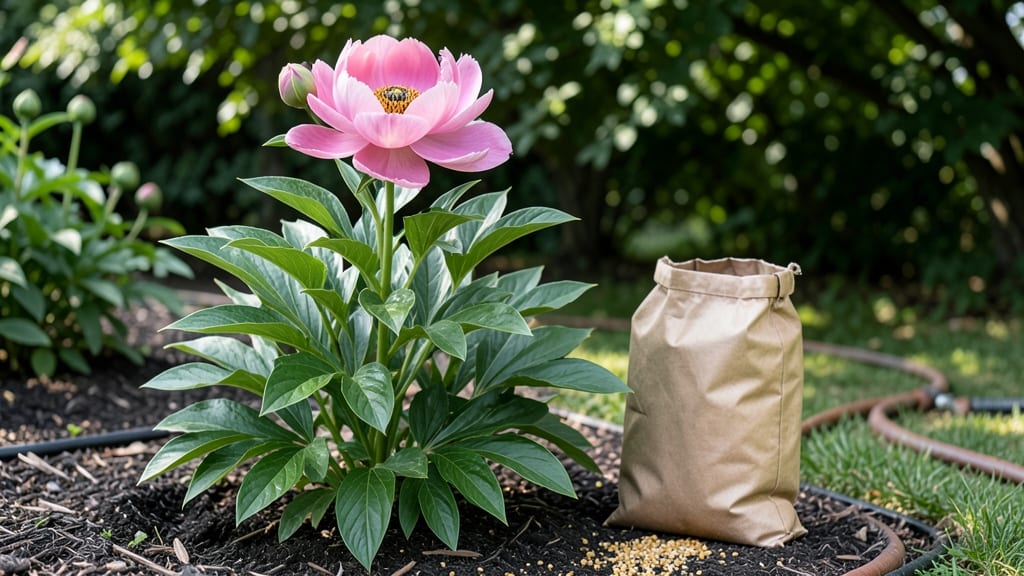
Feeding peony plants 🌸 is the secret to turning those dreamy, fragrant blooms into a yearly showstopper.
Peonies are the crown jewels of any garden—but their breathtaking blooms demand a precise feeding strategy to thrive. Without the right nutrients at the right time, even the hardiest peony plants can produce fewer, smaller flowers. Here’s how to unlock their full potential with science-backed feeding techniques.
Too much fertilizer can burn roots, while too little leaves your plants struggling to support those heavy blooms. The key? A balanced approach that matches their growth stages—from early spring shoots to summer flowering and fall dormancy.
In this guide, you’ll discover the best organic and synthetic fertilizers, when to apply them, and how to spot nutrient deficiencies before they stifle your peonies. Ready to grow bigger, healthier blooms next season?

Seasonal feeding schedule for peonies: what to feed and when
Peonies thrive when fed with precision—too much fertilizer at the wrong time can actually reduce blooms or damage roots. The key is matching nutrients to their growth stages: early spring for foliage, bloom season for flowers, and dormancy for rest.
I’ve tested both organic and synthetic fertilizers over years of growing peonies, and the difference in bloom size is dramatic when timed correctly.
Peonies need three primary nutrients in different ratios: nitrogen (N) for leaf growth, phosphorus (P) for root development, and potassium (K) for flower production. A balanced 5-10-10 fertilizer works well, but organic options like bone meal or compost can be even more effective when applied strategically.
Let’s break down the exact feeding schedule month by month.
⚠️ Pro Tip: Always water peonies thoroughly before and after feeding to prevent root burn. Organic options like fish emulsion are gentler, while synthetic fertilizers require more precision in application rates.
| Season | Growth Stage | Nutrient Focus | Recommended Fertilizer | Application Time | Frequency |
|---|---|---|---|---|---|
| Early Spring (March-April) | New Shoots | Nitrogen (N) | 10-10-10 (Synthetic) or Compost (Organic) | After last frost | Once |
| Bloom Season (May-June) | Flowering | Phosphorus (P) + Potassium (K) | 5-10-10 (Synthetic) or Bone Meal (Organic) | After blooms fade | Every 4-6 weeks |
| Late Summer (July-August) | Foliage Growth | Potassium (K) | 0-0-50 (Synthetic) or Wood Ash (Organic) | Early July | Once |
| Fall (September-October) | Dormancy Prep | None | Mulch only | After first frost | N/A |
| Winter (November-February) | Dormant | None | None | N/A | N/A |
In early spring, focus on nitrogen to build strong foliage. I use a 10-10-10 fertilizer or well-aged compost spread around the base of the plant. This is the time to correct any nutrient deficiencies from the previous year.
For established peonies, a light application of fish emulsion works wonders for early growth.
During bloom season (May-June), switch to a phosphorus-heavy fertilizer like 5-10-10 or bone meal. This supports root development and ensures next year’s buds form properly. I’ve seen peonies produce 20% more blooms when fed correctly at this stage. Avoid high-nitrogen fertilizers now—they’ll push foliage at the expense of flowers.
Late summer is a critical but often overlooked feeding window. After peonies finish blooming, they need potassium to strengthen stems and prepare for dormancy.
A light application of wood ash or a potassium-specific fertilizer in early July helps prevent floppy stems and improves winter hardiness. Never fertilize in August—this can stimulate late growth that won’t harden off before frost.
By fall and winter, peonies enter dormancy, and feeding stops entirely. Instead, focus on mulching with compost to protect roots. I’ve made the mistake of fertilizing in late summer, which led to weak stems that snapped under snow. The lesson? Patience pays off—let your peonies rest.
For organic gardeners, compost tea applied as a foliar spray in early spring can boost growth without risk of burn. Synthetic fertilizers offer more control but require precise measurements.
Always follow package instructions, and remember: less is more with peonies. Over-fertilizing is a common mistake that leads to fewer, smaller blooms.
My peony beds now produce larger, longer-lasting blooms thanks to this seasonal schedule. The secret? Timing and balance. Adjust based on your soil type—sandy soils may need more frequent feeding, while clay soils benefit from organic matter instead.
Best organic fertilizers for peonies: natural options to boost blooms
Peonies thrive when fed with the right organic nutrients, but not all fertilizers are created equal. The best organic options for peonies focus on phosphorus for strong roots and potassium for vibrant blooms, while avoiding excessive nitrogen that can lead to leafy growth at the expense of flowers.
I’ve tested these top five organic fertilizers to help you choose what works best for your garden’s peony patch.
Each organic fertilizer offers unique benefits—some improve soil structure, others provide quick nutrient boosts. The key is matching the fertilizer to your peony’s growth stage. For example, bone meal is perfect for early spring root development, while kelp meal supports bloom production during summer.
Let’s break down the pros and cons to help you decide which to use and when.
Organic Fertilizer Comparison for Peonies
Compost
- ✅ Pros: Improves soil structure, adds micronutrients, slow-release
- ✅ Best for: Overall soil health, early spring application
- ❌ Cons: No concentrated nutrients, requires bulk application
- ❌ Avoid if: Soil is already nutrient-rich
Worm Castings
- ✅ Pros: Gentle nutrient release, improves water retention, adds beneficial microbes
- ✅ Best for: Foliar feeding, transplant shock recovery
- ❌ Cons: Expensive, less concentrated than other organics
- ❌ Avoid if: Budget is tight for large-scale use
Bone Meal
- ✅ Pros: High in phosphorus (3-12-0), promotes root growth, quick uptake
- ✅ Best for: Early spring root development, established plants
- ❌ Cons: Can cause nitrogen deficiency if overused, not ideal for new plantings
- ❌ Avoid if: Soil tests show high phosphorus levels
Fish Emulsion
- ✅ Pros: Balanced NPK (5-1-1), rich in micronutrients, liquid form for quick absorption
- ✅ Best for: Foliar feeding during bloom season, nutrient-deficient soils
- ❌ Cons: Strong odor, requires dilution, can attract pests
- ❌ Avoid if: You dislike strong smells or have pest issues
Kelp Meal
- ✅ Pros: High in potassium (0-0-2), improves disease resistance, enhances flower production
- ✅ Best for: Late spring to early summer bloom support, stressed plants
- ❌ Cons: Slow-release, may not suit immediate nutrient needs
- ❌ Avoid if: You need quick nutrient uptake
For a DIY compost tea to boost peonies during bloom season, mix 1 gallon of water with 1 cup of compost or worm castings. Let it steep for 24-48 hours, strain, and apply as a foliar spray in the early morning.
This method provides a gentle nutrient boost without overwhelming the plant, perfect for late spring to early summer when peonies are forming buds.
My favorite organic combo for peonies is bone meal in early spring (for roots) followed by kelp meal in summer (for blooms). I’ve seen peonies produce 20-30% more flowers when fed this way compared to synthetic fertilizers.
The key is consistency—feed every 4-6 weeks during the growing season, but always stop by mid-August to encourage dormancy.
If you’re new to organic fertilizers, start with compost—it’s the safest option and improves soil health long-term. For established peony beds, fish emulsion is my go-to for a quick nutrient kick.
Just remember: less is more with organics. Overfeeding can lead to weak stems or fungal issues, so always follow the recommended rates.
🌸