
Watering
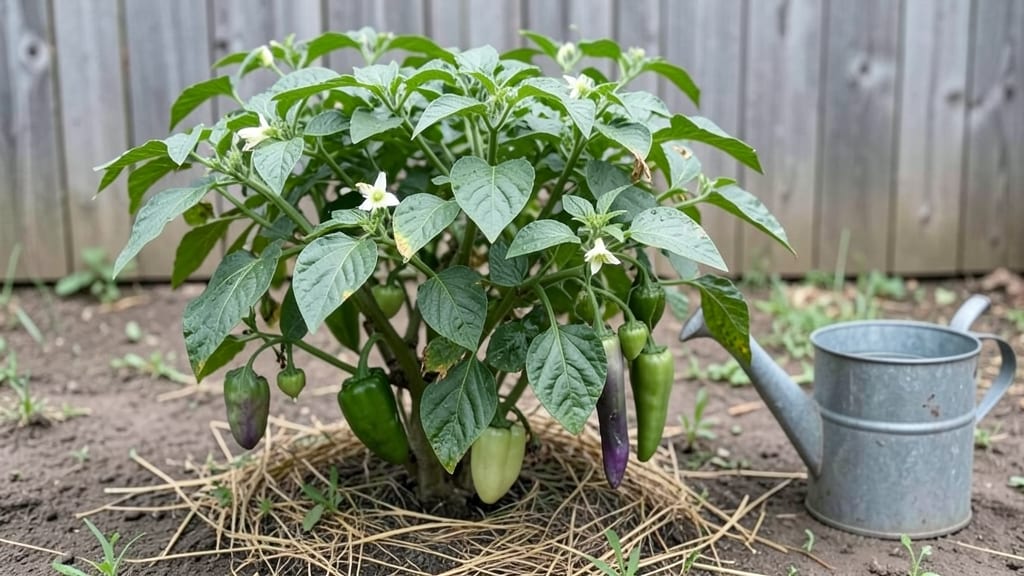
Check out these pictures of overwatered pepper plants—they might look like sad, yellow-leafed ghosts, but here’s the good news: they’re fixable. 🌱 Overwatering turns lush green plants into droopy, moldy messes, but with the right moves, you’ll have them thriving again in no time.
The key is spotting the signs early: yellowing leaves, wilting stems, and that unpleasant musty smell.
Most gardeners overwater because they think peppers need constant moisture, but these plants actually prefer to dry out slightly between waterings. Poor drainage or heavy soil traps excess water, suffocating roots and inviting fungus. I’ve saved countless plants by adjusting my routine—now my peppers stay perky and productive all season.
In just three easy steps, you’ll stop the rot and revive your plants: cut back on watering, improve drainage, and prune the worst-affected leaves. Within a week, you’ll see fresh green growth pushing through, and those yellow leaves will be a distant memory.
The best part? Your peppers will taste even sweeter after a little tough love.
This works for any pepper variety—jalapeños, bell peppers, even chiles—and it’s foolproof once you know the tricks. Let’s get your plants back on track before the next harvest.
Overwatering Triggers in Pepper Plants
When your once-vibrant pepper plants start showing signs of distress—like drooping leaves, yellowing foliage, or even blackened stems—overwatering is often the silent culprit. Understanding why this happens is the first step to saving your garden. Let’s break down the key reasons behind soggy soil and sad peppers.
Pepper plants, like most vegetables, thrive in well-draining soil that allows roots to access oxygen. When you water too frequently or use containers without drainage holes, the roots suffocate. Here’s what happens:
- Oxygen deprivation: Roots need oxygen to respire and absorb nutrients. Saturated soil pushes out air, starving roots of the oxygen they crave. Think of it like holding your breath underwater—eventually, your cells (or roots) start to die.
- Root rot: Fungal pathogens like Phytophthora and Pythium thrive in waterlogged conditions. These microbes attack root tissues, cutting off water and nutrient uptake. Within days, roots turn mushy and black, and the plant can’t recover.
- Nutrient lockout: Even if fertilizer is present, waterlogged soil binds nutrients to soil particles, making them unavailable. Peppers need a steady supply of nitrogen, phosphorus, and potassium—without them, leaves yellow (chlorosis) and growth stalls.
Pro tip: 🌡️ Stick your finger 1–2 inches into the soil before watering. If it’s damp, wait. If it’s bone-dry, you’ve likely been underwatering (or overcorrecting). Aim for consistently moist but not soggy soil.
Not all soil is created equal—and neither are all pots. If your pepper plants are in containers without drainage holes or heavy clay soil, water pools instead of draining away. Here’s why this spells trouble:
| Problem | Effect on Peppers |
|---|---|
| No drainage holes | Water sits at the bottom, creating an anaerobic (oxygen-free) zone where roots rot. |
| Compacted or clay soil | Water can’t percolate, leading to surface puddles and root asphyxiation. |
| Overpotting | Extra soil holds more water, delaying evaporation and keeping roots wet for days. |
Pro tip: ✨ If repotting isn’t an option, mix in perlite or coarse sand (20–30%) to improve drainage. For in-ground plants, amend heavy soil with compost to loosen it up.
Pepper plants hate inconsistency. While some gardeners assume "more water = better growth," sudden shifts—like switching from drought to deluge—throw roots into chaos. Here’s how:
- Fluctuating moisture levels: Peppers prefer steady hydration. Alternating between dry spells and heavy watering stresses the plant, causing osmotic shock (cells lose or gain water too quickly).
- Weak root development: Frequent shallow watering encourages roots to stay near the surface, where they’re more vulnerable to drying out or drowning.
- Fungal infections: Wet leaves + humidity = perfect conditions for diseases like early blight or downy mildew, which thrive in overwatered environments.
Pro tip: 🎯 Use a drip irrigation system or soaker hose to deliver water slowly at the soil level. Aim for 1–1.5 inches of water per week (including rainfall), adjusting for heat or wind.
Now that you know the why, the next step is fixing it—without losing your peppers to the soggy soil syndrome. Stay tuned for our 3-step rescue guide to revive yellowing leaves and bring your plants back to life!
Revive Your Peppers in 3 Steps
Overwatered pepper plants can look sad—yellow leaves, wilting stems, and even root rot—but don’t throw them away just yet! With the right fixes, you can nurse them back to health and keep your garden thriving.
Below are practical, step-by-step solutions tailored to the root causes of overwatering, plus prevention tips to avoid future mishaps.
Cause: Excessive moisture suffocates roots, cutting off oxygen and nutrients. Fix:
- Pause watering for at least 2–3 days to let the soil dry out. This prevents further root damage.
- If the soil feels soggy (like a damp sponge), wait until the top 1–2 inches are dry before watering again.
- Pro Tip: Use your finger to check moisture—if it’s damp below the surface, hold off!
Cause: Compacted or waterlogged soil traps excess moisture, leading to root rot. Fix:
- Amend the soil with organic matter like compost, perlite, or coconut coir to improve aeration.
- Repot if needed: If the plant is in a container, move it to a pot with drainage holes (or drill some if necessary).
- Raise the pot slightly off the saucer to prevent water from pooling at the bottom.
| Quick Fix | How to Do It |
|---|---|
| Loosen soil | Gently fork the soil around the base to break up compaction. |
| Add mulch | Sprinkle a thin layer of straw or wood chips to retain just enough moisture. |
| Check pH | Test soil pH (peppers prefer 6.0–6.8). Adjust with lime (to raise) or sulfur (to lower). |
Cause: Yellow leaves and weak stems signal stress from overwatering. Fix:
- Prune yellow/brown leaves with clean scissors to redirect energy to healthy growth.
- Fertilize lightly with a balanced, water-soluble fertilizer (like 10-10-10) to replenish nutrients lost from stress.
- Support the plant with a small stake if stems are weak—peppers need stability to rebound.
💡 Pro Tip: Avoid heavy-handed fertilizing! Too much can burn roots. Start with half-strength and monitor.
Once your peppers are on the mend, keep these habits to avoid overwatering again: - Water deeply but infrequently: Aim for 1–1.5 inches per week (adjust for climate).
Let the soil dry between waterings. - Use the "finger test": Stick your finger 1–2 inches into the soil—if it’s dry, it’s time to water. - Choose the right pot: Ensure containers have drainage holes and are the appropriate size (not too large). - Monitor weather: Adjust watering during rain or humidity spikes—peppers hate "wet feet."
🎯 Final Thought: Overwatering is reversible if caught early! With these fixes, your pepper plants will bounce back stronger—and you’ll be on your way to a bountiful harvest. 🌱🌶️
Frequently asked questions
How can I tell if my pepper plant is overwatered vs. underwatered?
Check the leaves and soil: Overwatered peppers show yellowing lower leaves, a musty smell at the base, and soft, mushy stems. Underwatered plants have crispy brown edges and dry, pulling soil. Tap the pot—if it feels light, it needs water; if heavy, it’s likely overwatered.
Can I save a pepper plant with root rot from overwatering?
Yes, but act fast! Remove the plant from the pot, trim any black/mushy roots with clean scissors, and repot in fresh, dry soil with perlite or sand for drainage. Reduce watering immediately and avoid fertilizing until new growth appears. Severe cases may need a complete soil swap.
Why do my pepper plant leaves turn yellow after watering?
Yellow leaves after watering usually mean root stress from overwatering or poor drainage. Check for soggy soil and blackened roots. If leaves stay yellow for over a week, prune them to redirect energy to healthy growth and adjust your watering schedule to every 3–4 days (or when topsoil is dry).
What’s the best way to adjust watering for pepper plants in pots?
Use the finger test: Stick your finger 1–2 inches into the soil. Water only when it feels dry. For containers, ensure pots have drainage holes and use a well-draining mix (like 60% potting soil + 30% perlite + 10% compost). Water deeply until it drains from the bottom, then wait.
Will my overwatered pepper plant still produce fruit?
If caught early, yes! Focus on drying out the soil and pruning damaged leaves to help the plant recover. Existing flowers/fruit may drop, but new growth should form within 2–3 weeks if roots are healthy. Avoid fertilizing until the plant shows signs of recovery (new green leaves).