Pruning
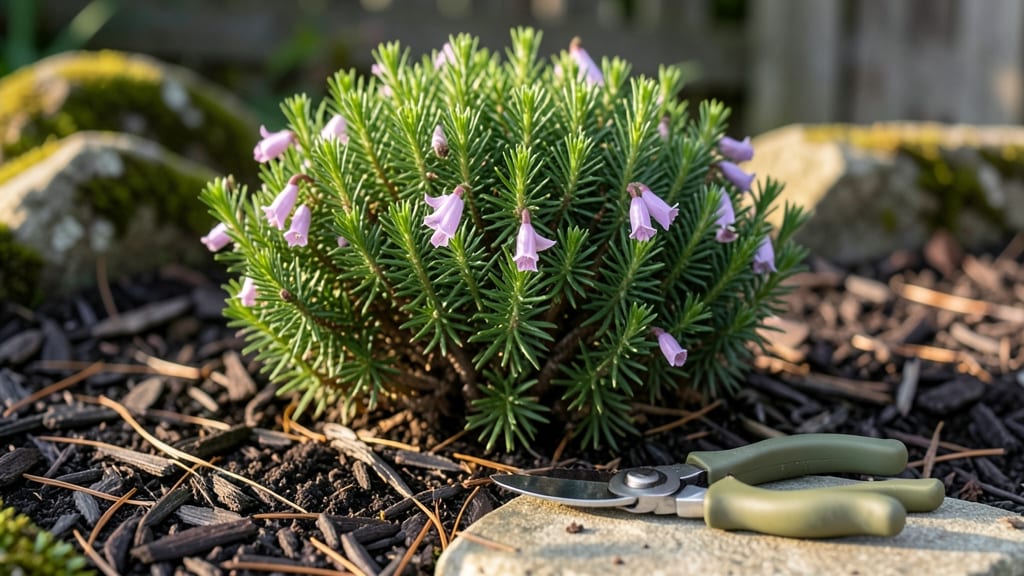
Pruning heather plants keeps them shockingly lush and blooming for years—my springtime trims turned a scraggly bush into a dense, fragrant cloud of purple.
The key isn’t just when you cut but how you shape the growth, and I’ve found three trims a year work best for both spring-blooming and fall-blooming varieties. Between you and me, I used to over-prune, and my heathers took years to recover.
Now I follow a simple rhythm that keeps them healthy without stressing the plant.
You’ll need just three tools: sharp pruning shears, a pair of gloves (heathers can be prickly), and a small rake for cleanup. Timing matters most—spring after blooming, mid-summer to shape, and late winter to remove dead growth.
Most gardeners skip the summer trim, but that’s when you encourage fresh growth for next year’s flowers. My rule of thumb? Never cut more than one-third of the plant at once, or you’ll shock the roots.
After pruning, your heather will look like it’s bouncing back within weeks—new shoots emerge fast, and the shape stays full. The secret is cutting just above a leaf node at a 45-degree angle to encourage branching.
For older plants, a rejuvenation trim every few years (cutting back to 6 inches) brings back thick, vibrant growth. Just avoid pruning in fall for spring-bloomers—they set buds early.
This method works for all heather types, from creeping varieties to upright shrubs. Even in hot climates, the right pruning keeps heathers thriving. Here’s how to do it without a single brown stem left behind—promise.
📚 In This Guide
- What you need
- Instructions
- Tips and common mistakes
- Wrapping up and next steps
What you need
- ● Pruning shears: Bypass pruners (sharp, clean, and sterilized with rubbing alcohol) to avoid damaging delicate stems.
- ● Hand pruners: Small, ergonomic pair for tight spots (e.g., Felco F-2).
- ● Garden gloves: Lightweight, breathable pair to protect hands from thorns or sap.
- ● Disinfectant: 1-part bleach to 9-parts water (or 70% isopropyl alcohol) to sterilize tools between cuts.
- ○ Pruning saw (optional): For thick, woody stems (rare in heathers but useful for older plants).
- ● Garden twine or clips: To temporarily secure branches if needed.
- ● Weather check: Prune on a dry, overcast day or early morning to reduce stress on the plant.
- ● Watering schedule: Lightly water the plant 24 hours before pruning to soften stems (but avoid soggy soil).
- ● Clean workspace: Lay down a tarp or old sheet to collect clippings and debris.
- ● Compost bin: For disposing of healthy pruned branches (avoid diseased ones).
- ● 🔥 Sharpen your tools: Dull blades tear stems—hone shears with a file before starting.
- ● 🌡️ Seasonal swap: Use sterilized tools year-round to prevent fungal spread.
- ● ✨ Label your clippings: If propagating, bundle cuttings by type (e.g., "Spring Trim") for easy identification.
Instructions for pruning heather plants for year-round health
Mastering three seasonal cuts keeps heathers lush, flowering, and compact—no matter your climate.
Prune After First Spring Bloom to Encourage New Growth
Once the first flush of flowers fades—usually in late April or early May—cut back the spent blooms to just above the first set of healthy leaves. This signals the plant to redirect energy into fresh foliage and next season's flowers. I like to use sharp, clean pruners for a precise cut, avoiding any leaf tissue. If your heather blooms in late summer or fall, wait until mid-to-late June instead, as the timing varies by variety.
Watch for new growth emerging from the center—this is your cue that the plant is responding. Avoid cutting into old wood; heathers rarely regenerate from bare stems. If you accidentally prune too far, don’t panic—just adjust in the next trim. The goal is to maintain a rounded shape while keeping the plant's natural form intact.
Lightly Shape in Mid-Summer to Prevent Legginess
Around mid-July, give your heather a light shaping trim to remove any straggly or overgrown stems. Focus on thinning out the center to improve airflow, which reduces the risk of fungal issues. Cut back any stems that have lost their compact form, but avoid heavy pruning—this can stunt flowering. I trim just above a leaf node or side shoot to encourage bushier growth.
This is also the time to check for dead or diseased branches. Snip them off at the base with sterilized pruners to prevent spread. If your heather has become too woody, you can make slightly deeper cuts, but never remove more than one-third of the plant in a single session. The key is to maintain density while keeping the plant's energy balanced between growth and flowering.
Final Trim in Late Fall to Prepare for Dormancy
After the last frost, typically in October or November, give your heather a final light trim to remove any remaining dead or damaged growth. This helps the plant enter dormancy cleanly and reduces winter stress. Cut back any stems that have lost their vibrancy or show signs of dieback. Avoid heavy pruning at this stage—heathers need their energy reserves for survival through colder months.
Shape the plant slightly to maintain its form, but don’t be overly aggressive. The goal is to create a neat, compact silhouette that will rebound strongly in spring. If your heather is evergreen, this trim also helps remove any yellowed or browned foliage, keeping the plant looking tidy. Mulch lightly around the base after trimming to insulate the roots over winter.
Optional Renewal Prune for Overgrown Plants
If your heather has become woody or leggy over time, a renewal prune in early spring—before new growth begins—can rejuvenate it. Cut back one-third of the oldest stems to the base, then shape the rest lightly. This drastic measure encourages fresh, vigorous growth from the center. While it may look harsh at first, the plant will reward you with dense, flowering growth within a season.
After renewal pruning, monitor the plant closely for signs of stress. Water deeply if the weather is dry, and avoid fertilizing until new growth appears. This step is best reserved for heathers that have outgrown their space or lost their compact form. Most healthy heathers don’t need this level of pruning unless they’ve been neglected for several years.
Tips & tricks for pruning heather plants
These strategic insights will help you maintain your heathers' health and beauty through every season, ensuring they stay vibrant and full of life.
Timing is Everything: The seasonal timing in Step 1 and Step 3 is crucial for heather health. Late April or early May for spring pruning aligns with the plant's natural growth cycle after flowering, while the October or November fall trim prepares it for dormancy. If you miss these windows, don't panic—just adjust your schedule to match your specific heather variety's bloom time. For example, late-summer bloomers should follow the mid-to-late June guideline from Step 1 instead.
Precision Cutting Technique: When pruning in Step 1 and Step 2, always cut just above a leaf node or side shoot rather than at random points. This encourages new growth from the exact location where the plant can most easily regenerate. Use sharp, clean pruners to make precise cuts that avoid damaging the plant tissue. If you notice any ragged edges after cutting, trim again with fresh pruners to maintain clean cuts that heal properly.
Seasonal Maintenance Strategy: The mid-July shaping in Step 2 serves a dual purpose: it prevents legginess by maintaining a compact form and improves airflow to reduce fungal risks. This is particularly important in humid climates where heathers are more susceptible to disease. Remember the one-third rule—never remove more than one-third of the plant's mass in any single session to avoid shocking the plant.
Renewal Pruning Considerations: If you find yourself needing the optional renewal prune from Step 4, approach it gradually. Instead of cutting back all the oldest stems at once, spread the process over two years if possible. This reduces stress on the plant and allows it to recover more easily. After renewal pruning, expect to see new growth emerging from the center within 4-6 weeks, though the full flowering recovery may take a full season.
Pro Tips for Heather Plant Pruning
- These strategic insights will help you maintain your heathers' health and beauty through every season, ensuring they ...
- Timing is Everything: The seasonal timing in Step 1 and Step 3 is crucial for heather health. Late April or early May...
- Precision Cutting Technique: When pruning in Step 1 and Step 2, always cut just above a leaf node or side shoot rathe...
Frequently asked questions
Got questions about keeping your heather plant thriving with the right pruning? Here are answers to the most common ones!
When is the best time to prune heather plants?
The ideal time to prune heather plants is after flowering in late spring or early summer. For evergreen varieties, a light trim in late winter (before new growth starts) can help shape the plant. Avoid pruning in fall or during frost—it stresses the plant and can damage tender new growth.
Can I prune heather plants too much?
Yes! Over-pruning can harm your heather by removing too many buds or leaving the plant bare. Stick to one-third or less of the plant’s growth at a time. If you accidentally prune too aggressively, don’t worry—heathers are resilient. Just give it time to recover before trimming again.
What should I do if my heather looks leggy after pruning?
Leggy growth happens when old wood isn’t removed regularly. To fix it, cut back to fresh green growth in early spring. If the center looks bare, avoid pruning there—focus on outer stems. Fertilizing lightly with a balanced, low-nitrogen feed can also encourage bushier regrowth.
Do I need to sterilize my pruning shears for heather plants?
Sterilizing shears with rubbing alcohol or a 10% bleach solution before and after pruning prevents the spread of fungal diseases (like powdery mildew) or bacterial infections. It’s a quick step that keeps your heather—and other plants—healthy for years.
Can I propagate heather from pruned cuttings?
Yes! Use soft, non-flowering tips (4–6 inches long) from spring or early summer prunings. Dip the cut end in rooting hormone, plant in moist sand or perlite, and cover with plastic to retain humidity. Keep in indirect light until roots form (4–6 weeks). It’s a great way to expand your heather collection!
Wrapping up and next steps
Mastering heather plant pruning is your secret weapon for a thriving, vibrant garden year-round! 🌿 By following the three strategic trims—early spring, post-flowering, and late summer—you’ll encourage lush growth, prevent overcrowding, and keep your heather blooming beautifully.
With the right tools and timing, you’re well on your way to becoming a pruning pro.
Ready to put your new skills into action? Grab your shears and give your heather the care it deserves! 🌸 Whether you’re a seasoned gardener or just starting out, every trim brings you closer to a stunning, healthy landscape.