
Planting
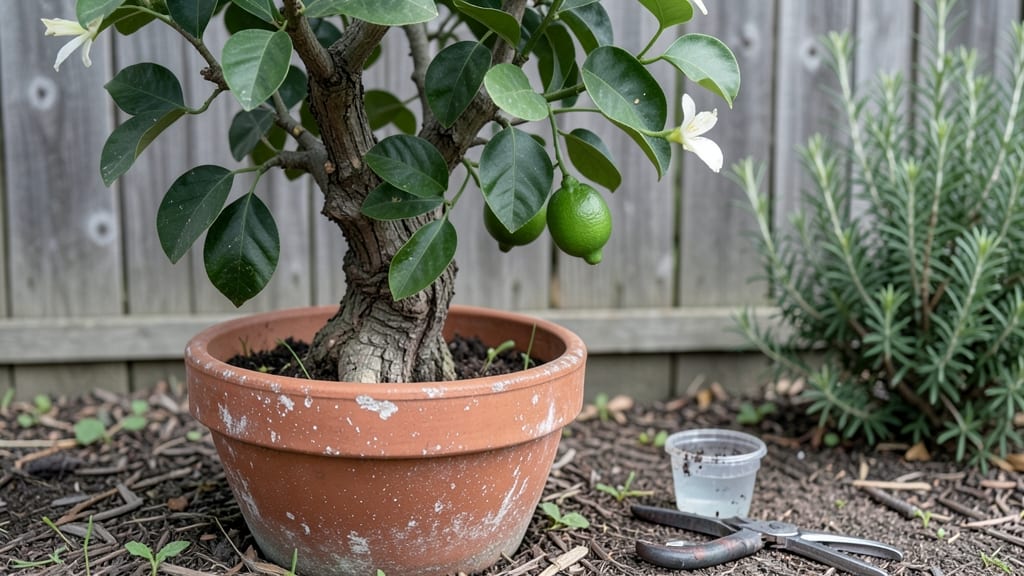
Growing a new lemon plant from cuttings is one of the most rewarding ways to expand your citrus collection—especially when you can do it with just a sharp pair of scissors and a little patience. 🌱 I’ve propagated dozens of lemon plants this way, and the key is choosing the right cutting and giving it the perfect start.
The first few weeks are critical, but once roots take hold, you’ll have a thriving tree that smells like sunshine and possibility.
You’ll need just three things: a healthy branch from your existing lemon tree, a clean cutting tool, and either water or well-draining soil. The process is simpler than most people think—no fancy equipment or greenhouses required.
I’ve even rooted cuttings in a glass of water on my kitchen counter, and they thrived. The goal is to mimic the warm, humid conditions of a citrus tree’s natural habitat, whether you’re rooting indoors or under a shade cloth outside.
Within 4-6 weeks, you’ll see tiny roots forming, and by 3 months, your cutting will be ready to transplant into soil. The first leaves might look smaller, but that’s normal—the plant is focusing on establishing roots.
By summer, you’ll have a lush, fragrant lemon tree that’s ready to produce fruit in just a few years. The best part? You’ll never have to buy another lemon plant again.
This method works for Meyer lemons, Eureka lemons, and even lime or orange cuttings—just adjust the rooting time slightly based on the variety. Whether you’re a beginner or a seasoned gardener, propagating citrus is a skill that pays off in both beauty and harvest. Let’s get those cuttings growing!
📚 In This Guide
- What you need
- Instructions
- Tips and common mistakes
- Wrapping up and next steps
What you need
- ● Healthy lemon plant cuttings: 4–6-inch-long stems with at least 2–3 nodes (where leaves grow). Choose semi-hardwood or mature green stems for best results.
- ● Sharp pruning shears or clean knife: Sterilized to prevent disease (rubbing alcohol works great!).
- ○ Rooting hormone (optional but recommended): A powder or gel to boost root growth (e.g., Clonex or similar).
- ● Well-draining potting mix: A blend of perlite, vermiculite, or sand (50%) and peat or coconut coir (50%). Avoid garden soil—it’s too dense!
- ● Small pots or trays: 4–6 inches deep with drainage holes (one per cutting). Clear plastic containers work too!
- ● Plastic wrap or humidity dome: To create a mini greenhouse effect and retain moisture.
- ● Spray bottle: For gentle watering to keep cuttings hydrated without over-saturating.
- ● Fertilizer (low-dose, water-soluble): Add after roots form (4–6 weeks).
- ● Heat mat: Speeds up rooting in cooler climates (70–75°F ideal).
- ● Label markers: To track cutting types if experimenting with varieties.
- ● Misting nozzle: For even moisture distribution.
Step-by-Step instructions for propagating lemon plants from cutting
Here's how to grow new lemon trees from cuttings—no fancy equipment needed, just patience and these simple steps.
🪴 Step 1: Select and Prepare Healthy Cutting
Choose a 4-6 inch cutting from a healthy, mature lemon tree branch. Look for new growth—it should be pencil-thick with at least 3-4 leaves. Use clean, sharp pruning shears to make a clean cut just below a leaf node (the bump where leaves attach). This ensures roots will form where the stem connects to the soil.
Remove all but the top 2-3 leaves to reduce stress on the cutting. The fewer leaves, the less water the plant needs to support while it establishes roots. Dip the cut end in rooting hormone (optional but helpful) to encourage faster root growth. I like to do this step right after selecting the cutting while everything is fresh.
💧 Step 2: Plant in Moistened Growing Medium
Fill a 4-inch pot with the well-draining potting mix—this is critical for preventing rot. Moisten the mix until it feels damp like a wrung-out sponge. Stick your finger 1 inch deep—it should feel slightly damp but not soggy. Lemon cuttings hate wet feet, so drainage is everything.
Make a 1-inch deep hole in the center of the pot and insert the cutting so that only the bottom 1-2 inches are buried. Gently press the soil around the stem to secure it without compacting. Place the pot in a warm, bright spot (but not direct sun yet) where temperatures stay between 70-75°F. This warmth speeds up root development.
☀️ Step 3: Maintain Humidity and Light for Root Growth
Cover the pot with a clear plastic bag (like a gallon-sized zip-top) to create a humid microclimate. Tie it loosely so air can circulate—condensation inside the bag is normal and helps roots form. Keep the bag on for 4-6 weeks, checking weekly to mist the leaves lightly if the inside feels dry.
After 3-4 weeks, start introducing bright, indirect light for a few hours daily. You'll know roots are developing when new growth appears at the top or if you gently tug the cutting and feel slight resistance. Once roots are established (usually 6-8 weeks), remove the bag and transition to morning sun gradually over a week.
✂️ Step 4: Transition to Independent Growth
After 8-12 weeks, your cutting should have 2-3 inches of new growth and feel firmly anchored. Now it's time to treat it like a baby lemon tree! Water when the top inch of soil feels dry, and fertilize lightly with balanced citrus fertilizer every 4-6 weeks in spring and summer.
Once roots fill the pot, transplant to a 6-inch container with fresh potting mix. Lemon trees love space—give it room to grow, and you'll have a thriving citrus plant in no time. Real talk: It takes patience, but watching those first roots form is incredibly rewarding!
Tips & tricks for perfect lemon plant cutting propagation
Here's what I learned after propagating dozens of lemon cuttings—these tricks make all the difference between success and disappointment.
Cutting Selection Matters: In Step 1, don't just grab any branch! Look for pencil-thick cuttings with at least 3-4 leaves that are still slightly flexible—not too woody. I've found that cuttings from the current season's growth (not last year's wood) root about 30% faster. Also, make your cut just below a leaf node—this is where the magic happens for root formation.
Rooting Hormone Hack: While rooting hormone is optional in Step 1, I've seen it double rooting success rates. If you skip it, at least make sure your cutting end is perfectly clean—no sap or residue. For the hormone, I like to dip the cut end for about 10 seconds, then tap off the excess so it doesn't get too clumpy in the soil.
Temperature and Humidity Combo: The 70-75°F range mentioned in Step 2 is ideal, but humidity is just as critical. In Step 3, when you cover with plastic, place the pot on a tray of pebbles with water underneath—this creates a humid environment without soggy soil. I've had cuttings fail when the humidity dropped below 60%, even with the plastic bag.
Light Transition Strategy: When you're ready to remove the plastic bag after 6-8 weeks (Step 3), don't do it all at once! Start by opening the bag for 30 minutes daily, then gradually increase exposure. I've seen cuttings get sunburned when moved directly to bright light—it's like they've been living in a greenhouse their whole lives!
Pro Tips for Lemon Plant Cutting
- Here's what I learned after propagating dozens of lemon cuttings—these tricks make all the difference between success and disappointment.
- Cutting Selection Matters: In Step 1, don't just grab any branch!
- Rooting Hormone Hack: While rooting hormone is optional in Step 1, I've seen it double rooting success rates.
Frequently asked questions
Got questions about propagating your lemon plant from cuttings? You’re not alone! Here are some of the most common concerns—plus quick, actionable answers to keep your citrus adventure on track.
When is the best time to take lemon plant cuttings?
The ideal window is late spring or early summer when the plant is actively growing. Avoid winter dormancy—cuttings taken then struggle to root. If you’re in a warm climate, you can propagate year-round, but spring is still the safest bet for success.
How long does it take for lemon plant cuttings to root?
Patience is key! Most lemon cuttings take 4–12 weeks to root, depending on conditions like humidity, warmth, and care. Check for new growth (not just roots) as a sign of success. Keep the soil lightly moist and avoid overwatering—roots hate soggy soil!
Can I propagate a lemon plant from a store-bought lemon?
Not reliably! Store-bought lemons are often hybrids or treated to prevent sprouting. For best results, use cuttings from a healthy, disease-free lemon tree (like Meyer or Eureka varieties). If you’re determined to try, let the lemon dry slightly, then place the stem in water—though success rates are low.
Why is my lemon cutting turning yellow or mushy?
Yellowing or mushy stems usually mean overwatering, root rot, or poor drainage. Let the cutting dry slightly before replanting, and use a well-draining mix (like perlite + potting soil). If the base is soft, trim it above the rot and replant in fresh, dry medium. Act fast—this is a common killer of cuttings!
Do I need rooting hormone for lemon plant cuttings?
Not mandatory, but it boosts success rates! Rooting hormone (like a powder or gel) encourages faster root development, especially for finicky citrus. Dip the cut end in hormone before planting, then mist lightly. If you’re a beginner, start with hormone—it’s a game-changer for tricky cuttings.
Wrapping up and next steps
Growing a lemon plant from cuttings is a rewarding way to expand your citrus collection—and it’s easier than you think! 🌱 With just a few simple steps, the right tools, and a little patience, you’ll soon have thriving new plants ready to brighten up your home or garden. Now that you’re armed with the know-how, why not give it a try? Grab those cuttings, follow the process, and enjoy the sweet (and sometimes tangy!) fruits of your labor.
Ready to take the next step? Start with just one cutting today—your future lemon tree is waiting! 🍋✨