
Companion Plants
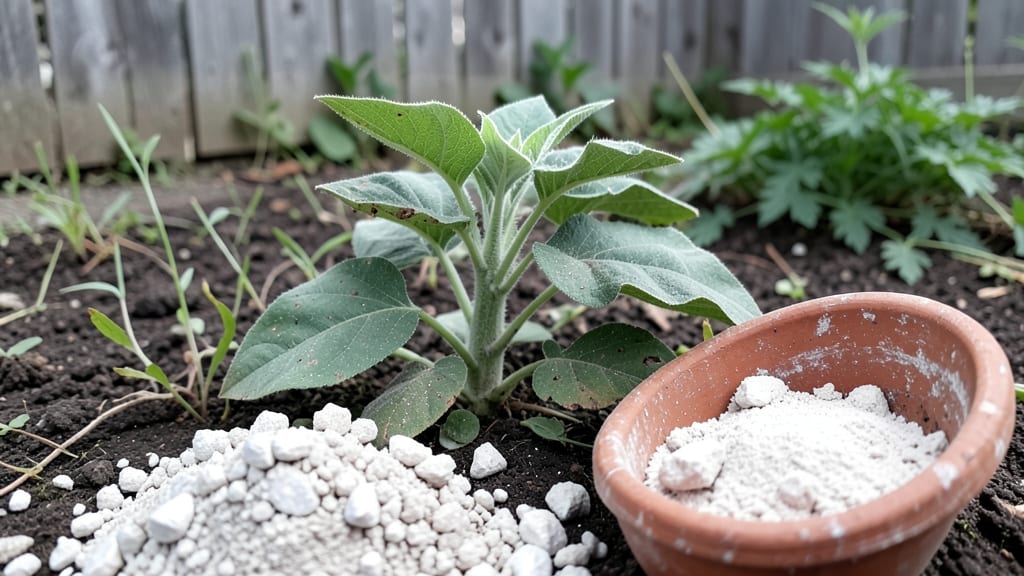
Applying lime to plants reduces soil acidity, enhances nutrient uptake, and repels common pests such as aphids and slugs while encouraging vigorous growth in acid-sensitive plants like azaleas and blueberries.
Lime works its magic by neutralizing acidic soil, which often locks out essential nutrients like calcium and magnesium. 🌱 This adjustment creates an ideal environment for plants that thrive in slightly alkaline conditions, such as rhododendrons and hydrangeas.
I’ve seen firsthand how a simple soil test before application can prevent over-limeing, which might harm sensitive plants by making the soil too alkaline. The right balance transforms struggling foliage into lush, pest-resistant growth within weeks.
Beyond pH adjustment, lime acts as a natural deterrent for slugs and aphids, which prefer acidic soils. The gritty texture also discourages burrowing pests, making it a two-in-one solution for gardeners.
For best results, I recommend using dolomitic lime—it provides both calcium and magnesium—applied in early spring when soil is workable but before peak pest season.
💡 In This Article
- How Lime Adjusts Soil pH for Optimal Plant Health
- Best Lime Types and Application Methods for Gardens
How lime adjusts soil pH for optimal plant health
Lime works by introducing calcium carbonate (CaCO₃) or calcium magnesium carbonate (CaMg(CO₃)₂) to acidic soils, which react with hydrogen ions (H⁺) to form water and carbon dioxide. This chemical reaction effectively neutralizes acidity by reducing the concentration of H⁺ ions in the soil solution.
For example, when dolomitic lime (containing magnesium) is applied, it not only raises pH but also replenishes magnesium—a critical nutrient for over 600 enzymatic reactions in plants, including photosynthesis and energy transfer. 🔥
The ideal soil pH range for most plants is between 6.0 and 7.0, where nutrients like phosphorus, potassium, and micronutrients become more available. In acidic soils (pH < 5.5), aluminum and manganese become toxic to plants, stunting root growth and causing yellowing leaves.
Lime application can raise pH by 0.5 to 1.5 points per application, depending on soil type—sandy soils respond faster than clay due to better drainage and aeration. However, the effect isn't immediate; it typically takes 2-4 months for the full pH adjustment to occur.
Over-limeing is a common mistake that can create its own set of problems. When soil pH exceeds 7.5, essential nutrients like iron, zinc, and manganese become locked out, leading to chlorosis (yellowing between leaf veins) even when these nutrients are present in the soil.
This is why soil testing is critical—most garden centers offer affordable pH kits that measure acidity using a colorimetric scale or digital meter. For instance, blueberries require pH 4.5-5.5, while azaleas thrive at 5.0-6.0; applying lime to these plants without testing could be disastrous. ✨
Lime's impact extends beyond pH adjustment to soil structure. The granular form improves soil aeration by breaking up compacted clay particles, while the calcium ions help stabilize soil aggregates. This enhanced porosity allows roots to penetrate deeper, accessing moisture and nutrients more efficiently.
For example, in a 100-square-foot garden bed, applying 50 pounds of dolomitic lime can transform a struggling vegetable patch into a thriving ecosystem within a single growing season—provided the initial pH was below 6.0.
What most gardeners don't realize is how lime affects microbial activity. Beneficial bacteria and fungi that decompose organic matter prefer near-neutral pH levels. In acidic soils, these microbes become less active, slowing nutrient cycling.
Lime application revives this microbial community, accelerating the breakdown of compost and releasing nutrients in a form plants can absorb. This is why lime-treated soils often show improved growth even when no other amendments are added. 💫
The key to successful lime application lies in understanding your plants' specific needs. Acid-loving plants like potatoes and blueberries actually require acidic soils (pH < 5.5), while vegetables like tomatoes and peppers prefer slightly acidic to neutral conditions (pH < 6.8).
Testing before applying ensures you're not creating an environment that harms rather than helps your garden. For instance, hydrangeas can change flower color from blue to pink based on soil pH—a visual reminder of how critical this balance is!