
Plants
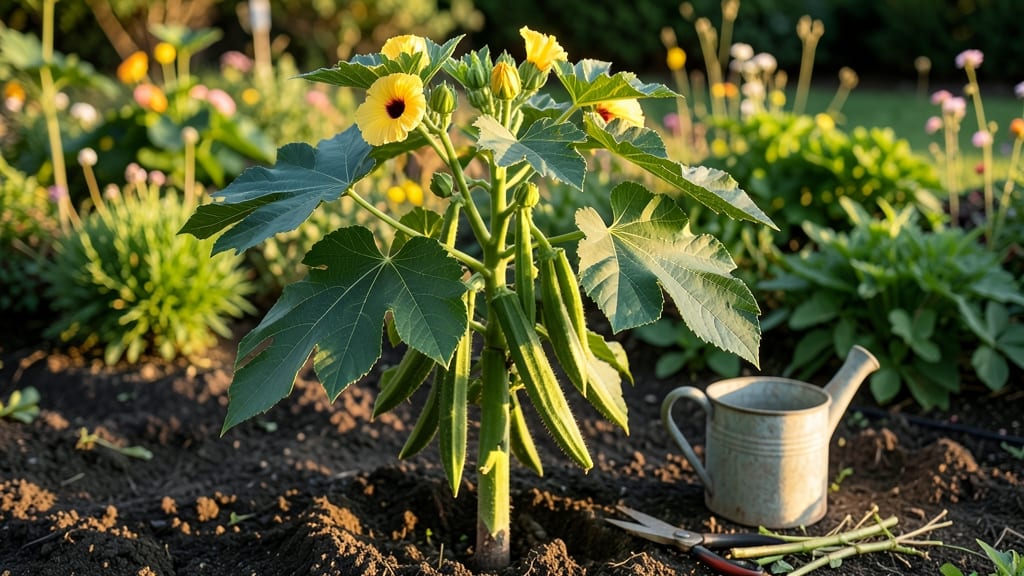
Planting okra at the right time ensures a thriving 🌱 okra plant season with tender pods and fewer headaches.
If you’ve ever watched your okra bolt to seed before you even get a harvest, you’re not alone. The secret lies in matching your planting window to your climate—too early or too late, and you’ll miss out on that sweet, summer harvest window.
From USDA Zone 6a to tropical regions, the ideal planting time varies wildly. In cooler areas, wait until after the last frost (typically late April to early May), while warmer climates can start as early as March.
Get this right, and you’ll enjoy fresh pods from July through October.
Below, I’ll break down the best months for your zone, how to prep soil for maximum growth, and tricks to extend your harvest—even in cooler areas.
Okra planting season by USDA climate Zones: when to start seeds indoors or outdoors
Okra thrives in warm weather and long growing seasons, making timing everything for a successful harvest. Unlike cool-season crops, okra hates frost and struggles when temperatures dip below 50°F.
Your USDA climate zone determines whether you can plant directly outdoors or need to start seeds indoors for an extended season.
In Southern states (Zones 8-11), okra grows year-round, while Northern gardeners (Zones 3-7) must time plantings carefully to avoid early frost. Even in warm climates, late-season heat can cause bolting—so knowing your last frost date and soil temperature thresholds is key.
Okra seeds germinate best in soil temperatures above 60°F, which is why direct sowing outdoors is ideal after your last frost. However, indoor starts can give you a head start in cooler zones, though okra hates transplant shock, so handle seedlings gently.
Here’s a quick reference for okra planting windows by USDA zone, including soil prep tips and regional adjustments:
<summary-table>| USDA Zone | Planting Window (Outdoors) | Soil Temp Requirement | Indoor Start (If Needed) | Key Regional Notes |
|---|---|---|---|---|
| Zones 3-4 | Late May–June | 65–70°F (use black plastic mulch) | 4–6 weeks before last frost (transplant carefully) | Short season; opt for early-maturing varieties (e.g., 'Clemson Spineless'). |
| Zones 5-6 | After last frost (mid-April–May) | 60°F+ (test with soil thermometer) | Optional (direct sow preferred) | Extend season with row covers or plant near south-facing walls. |
| Zones 7-8 | March–April or August–September | 55–60°F (warmer soil speeds germination) | Not typically needed | Succession plant every 2–3 weeks for continuous harvests. |
| Zones 9-10 | Year-round (spring/fall preferred) | 50°F+ (germinates slower in cool soil) | Rarely needed | Avoid planting in peak summer heat (bolting risk). |
| Zone 11 | Year-round (avoid winter) | 60°F+ (consistent warmth) | Never | Harvest year-round with proper spacing and water. |
In Zones 3–4, where summers are short, focus on early-maturing varieties like 'Emerald' or 'Burgundy' to beat frost. Use black plastic mulch to warm soil faster and plant near heat-retaining structures like fences or buildings.
For Zones 5–6, direct sowing after your last frost is best—okra hates transplanting, and seedlings often struggle with shock. If you must start indoors, use biodegradable pots to avoid root disturbance when moving outdoors.
Southern gardeners in Zones 7–11 can plant okra year-round, but avoid peak summer heat in Zones 9–11, as temperatures above 90°F can cause bolting. Instead, aim for spring and fall plantings for tender pods.
Pro tip: In cooler climates, try succession planting every 2 weeks after your first planting. This stretches your harvest window and ensures a steady supply of 2–3-inch pods—the sweet spot for flavor and texture.
Always test your soil temperature before planting. A soil thermometer is your best friend—okra seeds won’t germinate reliably below 60°F, even if air temperatures are warm. If your soil is too cool, wait or use row covers to accelerate warming.
Finally, remember that okra is a tropical plant at heart. While it tolerates heat, it cannot handle frost. If you’re in a marginal zone (like Zone 7b), err on the side of planting too late rather than too early—your plants will thank you with bigger, tastier pods.
How to extend your okra harvest season: tips for early and late plantings
Okra thrives in warm weather, but that doesn’t mean you’re limited to a short harvest window. With the right strategies, you can push your okra plant season earlier or later, ensuring a steady supply of tender pods.
The key is understanding how to manipulate your growing conditions—whether through cold-hardy varieties, protective coverings, or soil preparation. I’ve learned that even in cooler climates, a little planning can turn a 3-month harvest into a 6-month bounty.
Many gardeners make the mistake of planting okra too early in cool zones, only to watch their seedlings rot in damp soil. Others wait too long in hot climates, missing the ideal 60°F soil temperature needed for germination.
The solution? Start with the right timing and use tools like row covers or black plastic mulch to create microclimates that extend the growing window. Let’s break down how to do it right.
- 1. Choose cold-tolerant varieties: Opt for Clemson Spineless or Emerald okra, which handle cooler temperatures better than standard types. These varieties can survive light frosts and produce pods in 55°F conditions.
- 2. Use row covers for early starts: Install floating row covers over seedlings to trap heat and protect from early spring chills. Remove covers once soil warms to 60°F to avoid overheating.
- 3. Warm soil with black plastic mulch: Lay down black plastic mulch 2-3 weeks before planting to raise soil temperatures by 10-15°F. This speeds up germination and extends the growing season by 2-3 weeks.
- 4. Succession plant every 2 weeks: Sow new seeds every 14 days after the first planting to stagger harvests. This ensures continuous pod production from June to October in most climates.
- 5. Extend fall harvests with shade cloth: Use 30% shade cloth in late summer to protect plants from intense heat. This slows bolting and keeps pods tender until first frost.
- 6. Avoid overwatering in cool weather: Okra is drought-tolerant but prone to rot in cold, wet soil. Water deeply but only when the top 2 inches of soil are dry.
For gardeners in USDA Zones 3-5, where summers are short, focus on early planting and soil warming. Start seeds indoors in biodegradable pots 4-6 weeks before the last frost, then transplant outdoors once nighttime temperatures stay above 50°F.
Pair this with black plastic mulch to accelerate warming. In Zones 6-10, prioritize succession planting and shade cloth to prevent bolting in late summer.
One of my biggest mistakes was planting okra too late in Zone 7, thinking the heat would be endless. By August, the plants were already bolting, and I lost my entire harvest.
Now, I plant the first batch in early May and follow with 3 more plantings every 2 weeks. This gives me pods from June through September, with some late-season varieties lasting until October.
Don’t forget that okra is a fast grower—it can go from seed to harvest in just 50-60 days. Use this to your advantage by planning multiple plantings throughout the season.
For example, in Zone 8, I plant the first round in April (with row covers) and the last in July (with shade cloth). This ensures a continuous harvest without gaps.
If you’re in a tropical or subtropical climate, you can grow okra year-round, but even here, timing matters. Plant in early spring to avoid the hottest months, when pods can become woody and tough.
Use drip irrigation to keep soil consistently moist without overheating the plants. With these adjustments, you’ll enjoy tender okra pods for 10+ months instead of just a few weeks.