
Pruning
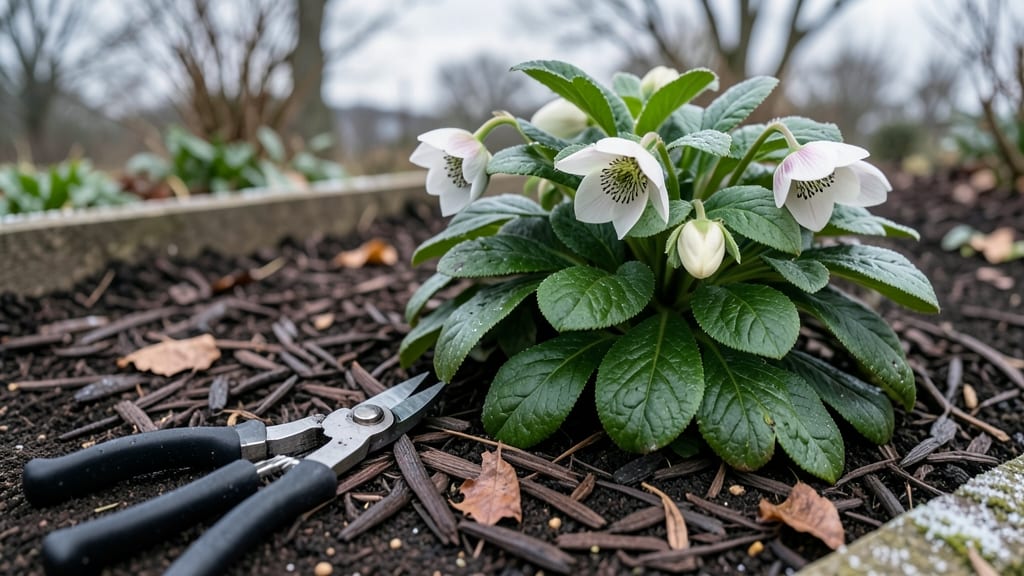
Pruning hellebore plants in early spring transforms them from scraggly survivors into lush, blooming stars. 🌿 I learned the hard way that skipping this step means fewer flowers and more floppy stems—until I finally committed to the right timing and technique.
The key is patience and precision: wait until after blooms fade but before new growth appears, then snip just above the first healthy leaf or bud. You’ll need sharp pruners and a steady hand—no jagged cuts allowed.
This isn’t about drastic shaping but clearing out last year’s spent blooms and encouraging fresh, vibrant growth.
What you’ll end up with is hellebores that bloom longer and more abundantly, with better airflow that keeps pests and diseases at bay. The plants look fuller, the stems stay sturdy, and you’ll notice new shoots within weeks.
It’s the difference between a few sad blooms and a woodland garden showstopper.
Works for all hellebore varieties, whether you’ve got one plant or a whole shady border. The same principles apply—just adjust your timing slightly for early vs. late bloomers. Here’s how to do it right the first time.
📚 In This Guide
- What you need
- Instructions
- Tips and common mistakes
- Wrapping up and next steps
What you need
- ● Bypass pruners – Sharp, clean pruners (1 pair) to make precise cuts without crushing stems.
- ○ Garden shears or loppers (optional for thicker stems) – Use if your hellebores have woody growth.
- ● Disinfectant (70% isopropyl alcohol or diluted bleach) – A small bottle to sterilize tools before and after pruning.
- ○ Gloves (optional but recommended) – Lightweight gardening gloves to protect hands from thorns or rough stems.
- ● Compost or mulch – A small bag to amend soil after pruning for healthier regrowth.
- ○ Garden twine or plant ties (optional) – Useful if you need to support leggy stems temporarily.
- ● Trash bag or bucket – For disposing of dead foliage and debris.
- ○ Notebook & pen (optional) – To jot down pruning notes or track blooming patterns.
Step-by-Step guide to pruning hellebore plants
Here's the simple method I've used for years to keep my hellebores thriving with bigger, brighter blooms.
✂️ Step 1: Time Your Pruning Perfectly
Wait until late spring or early summer, after the first flush of flowers has faded but before new buds form. This timing ensures you don't accidentally cut off next year's blooms. I usually prune in May or June—right after the last frost when the soil is warm but not yet scorching.
Look for stems that have finished flowering—they'll appear brown and dry at the base. Healthy stems will still have some green foliage but no new buds. This is your signal that it's safe to prune. If you see fresh green growth with flower buds, wait a few more weeks.
✂️ Step 2: Cut Back Dead Flowers and Foliage
Use clean, sharp pruning shears to snip off the entire spent flower stem down to the base of the plant. Cut at a 45-degree angle just above a leaf node to encourage new growth. I make sure to remove any yellowed or brown leaves too—they rob energy from the plant.
Don't trim healthy green foliage unless it's severely damaged. The leaves are what feed the plant through photosynthesis. Just focus on removing the dead flower stems and any obviously dying leaves. You'll see fresh, vibrant growth emerge from the center within 2-3 weeks.
✂️ Step 3: Thin Overcrowded Foliage
Hellebores naturally multiply, and over time, they can become too crowded. In early spring, before new growth appears, gently separate any congested clumps. Use a sharp knife to divide the rhizomes, ensuring each section has at least 3-5 leaves.
Replant the divisions immediately in well-draining soil. The goal is to give each plant enough space to grow without competing for nutrients. You'll notice the remaining plants perk up within 4-6 weeks, producing larger, more abundant blooms the following season.
🌿 Step 4: Maintain Year-Round Care
After pruning, keep the soil consistently moist but not soggy. Hellebores prefer partial shade, so avoid placing them in full sun after pruning—they'll need time to recover. A layer of 2-3 inches of mulch helps retain moisture and regulate soil temperature.
Fertilize lightly in early spring with a balanced, slow-release fertilizer. Too much fertilizer can lead to excessive foliage growth at the expense of flowers. Watch for new buds forming in late summer—this is your reward for proper pruning and care.
⏰ Step 5: Plan for Next Year's Blooms
Mark your calendar for next spring to repeat the process. Hellebores reward patience with longer stems and more abundant flowers each year. If you notice any pests or diseases, treat them immediately—helleborus black spot or slug damage can weaken the plant.
With consistent care, your hellebores will thrive for decades. The key is timing—prune after blooming but before new growth starts. You'll see the difference in just one season with bigger, showier flowers that last longer.
Tips & tricks for perfect hellebore pruning
Here's what I've learned after years of perfecting my hellebore care routine—these small details make all the difference.
Timing is Everything: The window between when flowers fade and new buds appear is narrow—usually just 2-3 weeks in late spring. I mark my calendar for May or June and set a reminder to check weekly. If you miss this window, you risk cutting off next year's blooms. The key visual cue is stems that turn brown and dry at the base while still having some green foliage—this means they're done flowering but haven't started budding yet.
Cutting Technique Matters: That 45-degree angle in Step 2 isn't just for looks—it's what encourages new growth. Make your cuts just above a leaf node (where leaves attach to the stem) to direct the plant's energy where you want it. I use clean, sharp pruning shears to avoid crushing stems, and I always sterilize my tools with rubbing alcohol between plants to prevent disease spread. A dull blade can tear the stems, inviting pests and infections.
Early Spring Division Strategy: When you're thinning overcrowded foliage in early spring, aim for divisions with 3-5 leaves—this gives each new plant enough energy to establish itself. I find the best time is right after the ground thaws but before new shoots emerge. You'll know you've done it right when you see fresh green growth emerging from the center of your remaining plants within 4-6 weeks. This is when you'll start seeing those bigger, showier blooms the following season.
Post-Pruning Care: After pruning, I always add a 2-3 inch layer of mulch—this helps regulate soil temperature and retain moisture without creating soggy conditions. The mulch also acts as a protective barrier against temperature fluctuations. I avoid fertilizing right after pruning because the plant is focusing on recovery rather than producing new growth. Wait until early spring when you see new buds forming in late summer as your cue to fertilize lightly with a balanced, slow-release formula.
Pro Tips for Pruning Hellebore Plants
- Here's what I've learned after years of perfecting my hellebore care routine—these small details make all the difference.
- Timing is Everything: The window between when flowers fade and new buds appear is narrow—usually just 2-3 weeks in late spring.
- Cutting Technique Matters: That 45-degree angle in Step 2 isn't just for looks—it's what encourages new growth.
Frequently asked questions
Got questions about pruning your hellebores? You’re not alone! Here are some of the most common concerns—and straightforward answers—to keep your plants thriving.
When is the best time to prune hellebores?
Prune hellebores after they finish blooming in early spring (around April or May). This gives the plant time to store energy for next year’s flowers. Avoid pruning in fall or winter, as cold stress can harm the plant.
How much should I cut back my hellebores?
Trim spent flower stems down to the first set of healthy leaves or just above the foliage. Avoid over-pruning—never cut more than one-third of the plant back. Hellebores are hardy and can handle minimal pruning if needed.
What if my hellebore looks dead after pruning?
Don’t panic! Hellebores often go dormant after blooming. If the foliage looks crispy or brown, it’s likely just resting. Wait until new growth emerges in late winter or early spring. If no growth appears by then, check for root rot or pests.
Do I need to prune hellebores if they don’t bloom well?
Yes, but focus on deadheading (removing spent blooms) rather than heavy pruning. Poor blooming can signal overcrowding or nutrient issues. Divide clumps every 3–4 years in early fall to improve airflow and vigor.
Can I prune hellebores in hot or humid climates?
Yes, but time it for cooler mornings to reduce stress. In humid areas, prune when the foliage is dry to prevent fungal issues. Water lightly after pruning to help recovery, but avoid soggy soil.
Wrapping up and next steps
Pruning hellebores might seem tricky, but with the right timing and techniques, you can transform your garden into a year-round blooming paradise! 🌸 By focusing on deadheading spent blooms, thinning crowded foliage, and avoiding harsh cuts, you’ll encourage healthier growth and longer-lasting flowers.
Remember, patience and gentle care are key—your hellebores will thank you with vibrant, lush displays for seasons to come.
Ready to put your new skills to work? Grab your pruners and head to the garden—your hellebores are waiting for a little TLC! For even more tips, check out our guide on identifying hellebore varieties to tailor your care further.