
Pests
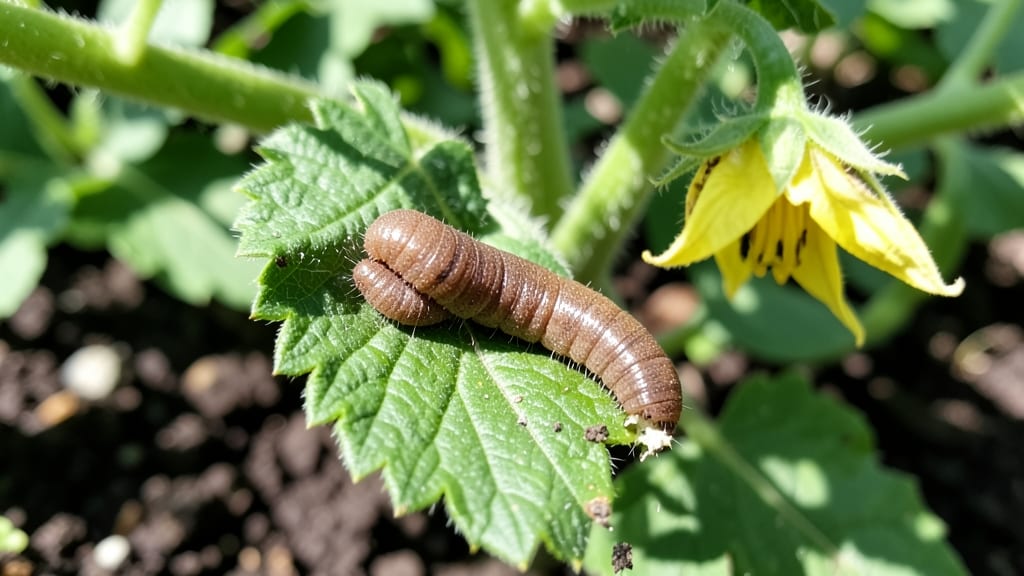
Brown worms on tomato plants can turn your lush vines into skeleton leaves overnight. 🌱 I’ve watched my own plants go from thriving to defoliated in days, and I’ll show you how to stop this silent disaster before it starts.
The key is acting fast—these hungry caterpillars (often hornworms or cutworms) multiply when you least expect it.
Most gardeners panic when they spot these striped invaders, but the solution is simpler than you think. You don’t need harsh chemicals—just targeted removal, a few organic deterrents, and smart prevention.
I’ll walk you through spotting the damage, identifying the culprits, and using methods that actually work, like handpicking and introducing beneficial predators.
By the time you’re done reading, you’ll know exactly how to rescue your tomatoes without harming bees or your soil. The results? Fewer holes in leaves, more fruit set, and a garden that stays productive all season. Let’s get those worms under control—before they ruin your harvest.
This works for both backyard gardens and container-grown tomatoes, so no matter your setup, you’ll have a plan. The secret is consistency—check plants every few days during peak worm season, and you’ll catch them before they cause real damage.
Root Causes Behind Worm Infestations
When you spot brown worms munching on your tomato plants, it’s rarely a random event—these pests are drawn by specific conditions that turn your garden into an all-you-can-eat buffet. Understanding the why behind their arrival is the first step to stopping them before they devour your harvest.
Below, we break down the most common triggers, from environmental cues to plant vulnerabilities, so you can address the real issues at play.
Tomatoes are magnets for worms like hornworms and fruitworms when they’re soft, overripe, or injured. Here’s why:
- Sugary, fermenting fruit: As tomatoes ripen, their sugar content spikes, releasing volatile organic compounds (VOCs) that signal "easy prey" to pests. A single bruised or split tomato can attract dozens of moths to lay eggs nearby.
- Physical damage as an invitation: Cracks, bird pecks, or hail marks create entry points for eggs. Worms like the tomato pinworm burrow into these weak spots, making them nearly invisible until the damage is done.
- Timing matters: Peak egg-laying occurs in late afternoon when temperatures are warm (75–85°F) and humidity is high—ideal conditions for moths to find and exploit ripe fruit.
Actionable fix: Harvest tomatoes before they fully ripen if pests are active, or use row covers to block moths during their flight windows (dusk and dawn).
Decaying plant matter isn’t just unsightly—it’s a worm’s dream home. Fungal infections like blight or bacterial soft rot (Erwinia) break down tomato tissue, releasing ammonia and other compounds that:
- Mask plant defenses: Healthy tomatoes produce jasmonic acid, a chemical that deters herbivores. But rot disrupts this, making fruit tastier to worms.
- Provide moisture and shelter: Mushy, rotting areas trap moisture, creating a humid microclimate where worm larvae thrive. The tomato fruitworm (Helicoverpa zea) prefers these conditions to dry, intact fruit.
- Spread via contaminated soil: Rotting organic matter on the ground (like fallen leaves or mulch) can harbor worm pupae, which then migrate to nearby plants.
Actionable fix:
- Remove all rotting fruit and debris immediately—don’t compost it near tomato plants.
- Apply copper fungicide or baking soda spray (1 tbsp baking soda + 1 quart water + few drops of soap) to prevent fungal spread.
- Improve airflow with pruning and staking to reduce humidity around plants.
Worms don’t just appear—they breed in gardens where hygiene is an afterthought. Neglected spaces become worm nurseries due to:
- Lingering plant residues: Old tomato vines, stems, or even pruned leaves left in the soil can harbor overwintering pupae. For example, hornworm eggs laid in summer may hatch the next season if debris isn’t cleared.
- Weedy patches as pest hotels: Weeds like nightshade or purslane (which are in the same family as tomatoes) act as alternative hosts, allowing worms to build populations before moving to your crops.
- Monoculture boredom: Planting tomatoes in the same spot year after year depletes soil predators (like ground beetles) and leaves worms with a reliable food source.
Actionable fix:
- Rotate crops every 2–3 years, avoiding the nightshade family (tomatoes, peppers, eggplants) in the same bed.
- Mulch with straw or grass clippings (not wood chips, which can harbor pests) and remove mulch annually to break the worm life cycle.
- Plant trap crops like basil or marigolds nearby to distract pests from your tomatoes.
Temperature and moisture are the gas pedal for worm reproduction. Here’s how they create ideal conditions:
| Factor | How It Helps Worms | Risky Thresholds |
|---|---|---|
| Temperature | Worms like fruitworms develop fastest at 80–90°F. Eggs hatch in 3–5 days in these temps, vs. weeks in cooler weather. | >85°F (especially at night) |
| Humidity | High moisture keeps eggs from drying out and helps larvae move quickly through soil to find food. | >60% humidity (common in greenhouses or shaded areas) |
| Rainfall | Heavy rain washes eggs into soil, where they’re protected, and dilutes natural predators like parasitic wasps. | >1 inch of rain in 24 hours |
Actionable fix:
- Use shade cloth (30–50%) in peak summer to lower temps by 10–15°F.
- Water early in the morning to reduce evening humidity (worms are most active at dusk).
- Install soil moisture sensors to avoid overwatering—worms thrive in soggy conditions.
💡 Pro Tip: If you’ve ruled out fruit rot and hygiene issues but still see worms, check for hidden adult moths at night with a flashlight. Their presence means eggs are already on your plants—act fast with neem oil or BT (Bacillus thuringiensis) sprays to interrupt their life cycle.
How to Fix It Fast
Now that you’ve identified the culprits—whether they’re hornworms, cutworms, or other hungry invaders—it’s time to act. The good news? Most brown worms on tomato plants can be managed organically with a mix of manual removal, natural predators, and smart gardening habits.
Below, we’ll break down targeted solutions based on the most common causes, plus prevention tips to keep your tomatoes thriving.
If you’ve spotted a few worms, your hands (or a pair of gloves) are your best tool. This method is zero-risk, works immediately, and won’t harm your plants or the environment.
🍳 Step-by-Step Squash & Drop
- Go early or late – Worms are most active at dawn or dusk when temperatures are cooler. This makes them easier to spot and remove.
- Shake the plant gently – Give the foliage a light shake over a bucket of soapy water.
Worms will drop right in. 3. Handpick visible worms – Look under leaves (especially the undersides) and along stems. Drop them into a soapy water solution (1 tbsp dish soap per gallon of water) to kill them instantly.
- Check daily – Young tomato plants are especially vulnerable. A quick 5-minute inspection can save your harvest.
✨ Pro Tip: If you’re squeamish about touching worms, wear thick gardening gloves—they’ll slide right off!
Instead of reaching for chemical sprays, leverage the garden’s built-in pest control. These predators love eating brown worms and won’t harm your tomatoes.
| Predator | How to Attract Them | What They Eat |
|---|---|---|
| Parasitic Wasps | Plant dill, fennel, or marigolds near tomatoes. These wasps lay eggs in hornworms. | Hornworms, cutworms |
| Ladybugs | Avoid pesticides; plant nasturtiums or yarrow to attract them. | Aphids, small caterpillars |
| Praying Mantises | Leave some wildflowers and tall grasses in your garden. | Cutworms, beetles, moths |
| Birds | Install a bird feeder or birdbath nearby. | Cutworms, beetles, and other soft-bodied pests |
💡 Quick Fix: If you’re in a hurry, buy ladybugs or parasitic wasp larvae from a garden center and release them at dusk.
If manual removal isn’t enough, sprays made from natural ingredients can deter worms without harming beneficial insects.
🔪 DIY Spray Recipes
- Neem Oil Spray (Best for hornworms & cutworms)
- Mix 1 tbsp neem oil + 1 tsp mild soap + 1 quart water.
- Spray early morning or late evening (avoid direct sun—it can burn leaves).
- Reapply every 5–7 days or after rain.
- Garlic & Chili Pepper Spray (Repels egg-laying moths)
- Blend 4 garlic cloves + 1 tbsp cayenne pepper + 1 quart water. Strain and spray.
- Works best as a preventive—spray before worms appear.
- Bacillus thuringiensis (Bt) (Safe for organic gardens)
- A bacteria-based spray that kills caterpillars when ingested.
- Safe for humans & pets—apply when worms are small (before they burrow).
⏰ Timing Matters: Always spray before dusk to avoid harming bees and other pollinators.
The best way to deal with brown worms? Stop them before they start. Here’s how to fortify your tomato plants against future attacks.
🎯 Cultural & Physical Barriers
- Row Covers – Use floating row covers (lightweight fabric) over young plants to block moths from laying eggs.
- Collars for Seedlings – Wrap cardboard or aluminum foil collars around stems to prevent cutworms from chewing them.
- Interplant with Repellents – Grow basil, marigolds, or onions near tomatoes—their strong scents deter pests.
- Crop Rotation – Avoid planting tomatoes (or nightshades like peppers/eggplants) in the same spot yearly.
Worms and their eggs linger in the soil.
🌱 Soil & Plant Health
- Healthy soil = strong plants – Worms target weak, stressed tomatoes.
Boost soil with compost and balanced fertilizer (high in potassium). - Water wisely – Overhead watering can encourage fungal issues, making plants more vulnerable. Water at the base instead. - Remove debris – Clear old plant matter and fallen leaves where worms hide over winter.
If your garden is overrun (dozens of worms daily) or you’re dealing with a severe outbreak, consider:
- Handpicking + neem oil combo for a few weeks.
- Introducing more predators (like praying mantis egg cases).
- Switching to resistant varieties (e.g., ‘Mountain Merit’ or ‘Defiant PhR’ tomatoes).
Final Thought: A little daily vigilance goes a long way. Spend 5 minutes every morning checking leaves, and you’ll catch worms before they become a problem. Your tomatoes will thank you with juicy, worm-free fruit all season! 🍅🌿
Frequently asked questions
Are brown worms on my tomato plants always harmful?
Not all brown worms are harmful! Some, like cutworms, can devastate seedlings, while others like hornworms may defoliate plants. However, worms such as earthworms (which are actually beneficial) might occasionally appear near the soil surface. Check for damage: if leaves are being chewed or plants look stressed, you’re likely dealing with pests.
How do I tell the difference between a hornworm and a cutworm?
Hornworms are large (2-4 inches), green or brown with white diagonal stripes and a distinctive "horn" at their rear. Cutworms, on the other hand, are smaller (1-2 inches), usually brown or gray, and hide near the soil during the day. Hornworms feed on leaves, while cutworms chew stems and young plants at ground level.
Will neem oil kill the eggs of these worms?
Neem oil is most effective against larvae and adult worms, but it has limited impact on eggs. For egg control, focus on removing adult moths (which lay eggs) and using Bacillus thuringiensis (Bt), which targets caterpillars before they hatch. Apply Bt every 7-10 days during peak worm season for best results.
Can I use chemical pesticides safely around tomato plants?
Chemical pesticides can harm beneficial insects like bees and ladybugs, which help control worm populations. If you must use them, opt for targeted sprays like pyrethrin (derived from chrysanthemums) and apply only at dusk to minimize harm to pollinators. Always follow label instructions and consider organic alternatives first.
How long does it take for natural predators to reduce worm populations?
Natural predators like parasitic wasps and ladybugs can take 2-4 weeks to establish and start controlling worm populations effectively. To speed up the process, release prey-specific predators (e.g., Trichogramma wasps for hornworms) and maintain a diverse garden ecosystem to support their growth. Patience and consistency are key!