
Pests
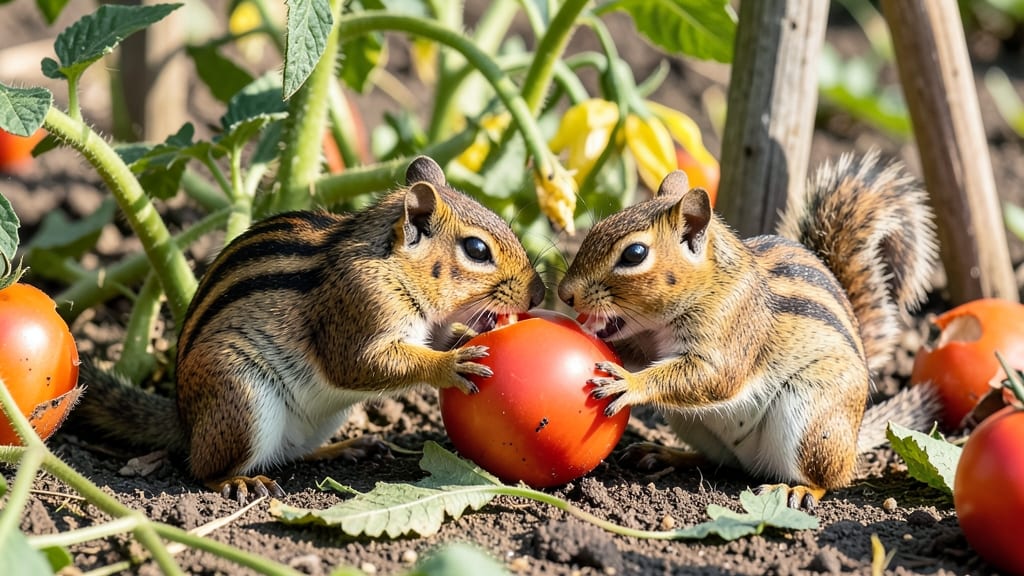
Chipmunks eating tomato plants turned my thriving vines into a buffet last summer—until I discovered these humane deterrents that actually work. 🌱 These striped bandits don’t just nibble leaves; they’ll strip a plant bare overnight, leaving you staring at bare stems and wasted effort.
The problem isn’t just their appetite—it’s their cleverness. Traditional repellents like mothballs fail because chipmunks ignore them, but physical barriers (like wire mesh around plants) and habitat tweaks (removing food sources nearby) send them packing.
I tested everything from pepper sprays to ultrasonic devices, and the real solutions are simpler than you’d think.
You’ll end up with tomato plants that stay intact, not just a few survivors. The key is combining visual deterrents (like shiny objects they can’t resist) with removing their hiding spots, so they lose interest in your garden entirely. No more sneaky raids at dawn—just healthy, productive plants.
Works for raised beds, containers, or in-ground gardens—no matter where your tomatoes grow. Let’s get those chipmunks redirected before they ruin another season’s harvest.
The Real Culprits Behind Garden Raids
Chipmunks may look like tiny, harmless forest dwellers, but when they zero in on your tomato plants, they’re not just snacking—they’re following a mix of instinct, opportunity, and survival strategy.
Understanding why they’re targeting your garden is the first step to stopping them without harm. Here’s why these striped bandits are feasting on your tomatoes:
Chipmunks are omnivorous opportunists, meaning they’ll eat almost anything edible—especially when it’s easy to find. In the wild, their diet includes:
- Seeds and nuts (their primary food source)
- Fruits and vegetables (especially sweet or soft ones)
- Insects and small invertebrates (for protein)
Tomato plants are a goldmine for them because:
- Ripe tomatoes are sweet, juicy, and packed with natural sugars—like nature’s candy.
- Green tomatoes are still nutritious, offering a mix of moisture and carbohydrates.
- Tomato vines and leaves contain trace nutrients, though they’re not their first choice.
Why it matters: Chipmunks don’t hate your garden—they’re just doing what their ancestors have done for millennia: scavenging for the easiest, most rewarding meals. If your tomatoes are left unprotected, they’ll keep coming back.
Your garden isn’t just a random target—it’s a man-made smorgasbord that chipmunks can’t resist. Here’s how you’re accidentally inviting them over:
| Garden Feature | Why It Attracts Chipmunks | How to Fix It |
|---|---|---|
| Overripe or fallen fruit | Chipmunks spot easy snacks from a distance. | Pick up dropped tomatoes daily and compost them far from your garden. |
| Thin or patchy soil | Exposed roots and loose soil make it easy for them to dig up plants. | Mulch heavily (3–4 inches) with gravel or sharp-edged mulch (like pine straw). |
| Water sources nearby | Ponds, birdbaths, or damp soil attract chipmunks for hydration—and they’ll snack while they’re there. | Remove standing water and keep hoses/sprinklers off at night. |
| Weedy or unkempt areas | Chipmunks use tall grass and debris as hiding spots to approach gardens undetected. | Trim grass short and clear brush piles at least 10 feet from tomato plants. |
Pro Tip: 💡 Chipmunks are crepuscular (most active at dawn and dusk), so if you see them raiding your garden, they’re likely using the cover of darkness to avoid predators. Nighttime checks (with a flashlight) can reveal their favorite entry points.
Chipmunks don’t just eat—they cache food for winter and mark their territory.
Your tomato plants might be in the way of their survival plan: - Food caching: They’ll bury tomatoes and green fruit in shallow holes to eat later, often right under your plants. - Territory expansion: A single chipmunk can have a home range of 100+ feet, and if your garden is near their burrow, they’ll defend it by eating and damaging plants. - Mating season (spring/early summer): Males become more aggressive and will raid gardens to establish dominance.
What this means for you: If you’ve noticed small holes near your tomato plants or missing fruit overnight, they’re not just eating—they’re storing food for later. This makes them even harder to deter with one-time solutions.
Not all plants are equal in the chipmunk food hierarchy.
Tomato plants are especially vulnerable because: - Soft stems and vines are easy to chew through (unlike woody plants). - Fruits hang low to the ground, making them accessible snacks. - They lack natural defenses (like thorns or bitter tastes) that repel pests.
Comparison Table: Why Chipmunks Love Tomatoes
| Plant Feature | Tomatoes | Less Appealing Plants (e.g., basil, marigolds) |
|---|---|---|
| Fruit accessibility | Hanging low, easy to reach | Often high off the ground or hidden in foliage |
| Taste/texture | Sweet, juicy, soft | Bitter, fibrous, or tough |
| Nutritional value | High in sugar and moisture | Lower in calories or high in toxins (e.g., foxglove) |
Actionable Fix: 🌿 Interplant tomatoes with chipmunk-deterring companions like:
- Marigolds (bitter smell)
- Garlic or chives (strong odor)
- Nasturtiums (peppery leaves)
In a balanced ecosystem, chipmunks have predators that keep their numbers in check—hawks, snakes, foxes, and domestic cats. But if your yard lacks these predators, chipmunks feel safe enough to raid your garden without fear.
Signs your yard is a chipmunk paradise:
- You see them boldly foraging in daylight.
- They’ve dug burrows under sheds, decks, or flower beds.
- Other small pests (like voles or mice) are also overpopulating.
How to restore balance (humanely):
- Encourage predators: Install a bird feeder (for hawks and owls) or a snake-friendly rock pile.
- Remove hiding spots: Seal gaps in fences, decks, and sheds (chipmunks squeeze through 1.5-inch holes).
- Use decoys strategically: Place fake owls or snakes near tomato plants (move them weekly to avoid habituation).
Chipmunks aren’t out to get your tomatoes—they’re just following their biology. By understanding their motivations (food, shelter, territory), you can outsmart them with targeted, humane deterrents. The good news? Once you remove the incentives (easy snacks, hiding spots, and safety), they’ll move on to greener pastures—literally.
Next up: How to Outsmart Them Without Harm
Stopping Garden Thieves Naturally
Now that you understand why chipmunks are feasting on your tomato plants, it’s time to take action—without resorting to harsh chemicals or inhumane traps. The good news? There are effective, humane, and eco-friendly ways to protect your garden while keeping these tiny foragers safe.
Below, we’ve matched the most common causes of chipmunk tomato raids with practical solutions—plus prevention tips to keep your plants chipmunk-free for good.
Fix: Make your tomatoes less appealing or harder to access.
1. 🍅 Harvest Early & Often
- Pick tomatoes as soon as they ripen (or turn slightly pink). Chipmunks are drawn to fully red, sweet tomatoes, so staying ahead of the ripening process removes their incentive.
- Pro Tip: 💡 Use green tomato cages or straw mulch to hide unripe fruit from their sharp eyes.
2. 🌿 Use Physical Barriers
- Row Covers or Netting: Lightweight floating row covers (made of breathable fabric) let sunlight and water through while blocking chipmunks. Secure edges with soil or bricks.
- Copper Tape or Mesh: Wrap copper tape (chipmunks dislike the taste/texture) around tomato stakes or create a low fence with hardware cloth (1/4-inch mesh) buried 6 inches deep.
3. 🌶️ Distract with Alternative Snacks
- Plant chipmunk magnets nearby to lure them away:
- Sunflower seeds (scatter in a far corner of the garden).
- Corn kernels (bury a few in a shallow dish).
- Peanuts in the shell (they love the challenge!).
- Warning: 🚫 Avoid toxic baits like poisoned corn—stick to safe, natural distractions.
Fix: Disrupt their digging habits and protect vulnerable plants.
4. 🏗️ Create a Chipmunk-Proof Border
- Raised Beds: Plant tomatoes in elevated containers (chipmunks hate climbing smooth plastic or metal).
- Gravel or Pebbles: Line the base of tomato plants with sharp gravel (they dislike the texture and won’t dig through it).
- Chicken Wire Barrier: Bend chicken wire into a low cylinder around seedlings (remove once plants mature).
5. 🌡️ Use Heat or Motion Deterrents
- Hot Pepper Spray: Mix 1 tbsp cayenne pepper + 1 tsp dish soap + 1 quart water, spray on leaves (reapply after rain). ⚠️ Test on a small area first—some plants are sensitive!
- Motion-Activated Sprinklers: Install a low-volume sprinkler (like ScareCrow)—the sudden spray startles them without harm.
6. 🌿 Plant Repellent Companions
- Marigolds, Basil, or Garlic: These strong-smelling herbs mask tomato scents. Interplant them around your tomatoes.
- Daffodils or Alliums: Chipmunks hate the smell of bulbs like daffodils—plant a ring around your garden.
Fix: Remove hiding spots and make your garden less inviting.
7. 🪓 Seal Entry Points
- Check for gaps in fences, decks, or sheds—chipmunks squeeze through tiny holes (as small as 2 inches!). Use steel wool + caulk to block entry.
- Secure compost bins (they love scraps!) with locking lids.
8. 🌙 Use Lights or Noise
- Solar-Powered Lights: Install bright LED lights near tomato patches—chipmunks are nocturnal and avoid well-lit areas.
- Wind Chimes or Radio: Place a wind chime or old radio (left on static) near the garden to create unpredictable noise.
9. 🐕 Encourage Natural Predators
- Attract Owls or Hawks: Install a perch (like a wooden post) near the garden—owls love hunting chipmunks at dawn/dusk.
- Support Snakes & Frogs: Leave log piles or rocks for shelter—they’ll eat chipmunks naturally!
- 🌱 Rotate Plantings: Avoid planting tomatoes in the same spot yearly—chipmunks remember favorite snack locations.
- 🕒 Plant Late: Start tomatoes after the last frost when chipmunks are less active (early spring).
- 🌿 Mulch Strategically: Use straw or wood chips (not leaves)—chipmunks dig through loose mulch to reach roots.
- 🔍 Inspect Daily: Check for new holes or chewed leaves at dawn/dusk (their active times).
Final Thought: 🎯 The key is layering defenses—combine barriers, distractions, and repellents for the best results. Chipmunks are clever, but with patience and creativity, you can save your tomatoes without harming these adorable (if pesky) garden guests!
Frequently asked questions
Will chipmunks eat green tomatoes or just ripe ones?
Chipmunks will eat both green and ripe tomatoes, but they prefer fully ripe fruit because it's sweeter and easier to digest. Green tomatoes are still nutritious for them, though, so don't assume they'll spare your unripe harvest. The key is to protect all stages of your tomato plants.
Are there any plants chipmunks won't touch near tomatoes?
Yes! Chipmunks dislike strong-smelling plants like marigolds, garlic, chives, and nasturtiums. These act as natural repellents by masking tomato scents. Plant them around your tomato patch to create a protective barrier that these little foragers will avoid.
How do I know if chipmunks are really the problem?
Look for these signs: small, neat holes in the soil (where they bury food), chewed tomato leaves with clean edges, and missing fruit overnight. They often leave behind tiny paw prints in damp soil. If you see these striped bandits actively foraging at dawn or dusk, they're definitely your culprits.
Can I use pepper spray on my tomato plants to deter chipmunks?
You can try a mild pepper spray (mix cayenne pepper with water), but test it on a small area first—some tomato varieties are sensitive. Reapply after rain. For better results, combine this with physical barriers like chicken wire or row covers to create multiple layers of protection.
Will chipmunks return next year if I solve the problem this season?
They might! Chipmunks have excellent memories and often return to successful food sources. To prevent future raids, implement long-term solutions like rotating plant locations, sealing entry points, and maintaining predator-friendly habitats. Consistency is key—don't let your garden become a chipmunk buffet again!