
Companion Plants
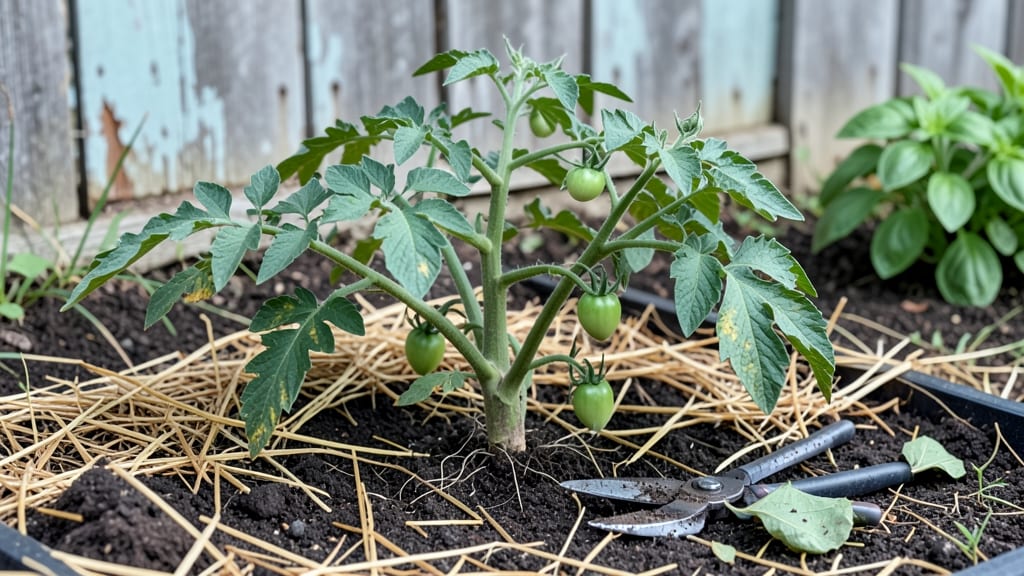
Rounding up plants in your garden isn’t just about harvesting—it’s about creating a thriving ecosystem where every plant supports the next. 🌱 I learned the hard way that crowded seedlings and mismatched companions lead to stunted growth, pests, and wasted effort.
The right pairings turn chaos into harmony, boosting yields and keeping bugs at bay.
Start with the basics: thin seedlings early to give roots room, and group plants that naturally protect each other. Basil near tomatoes repels pests, while marigolds deter nematodes—simple swaps that make a huge difference.
Tools like pruners, gloves, and a small trowel are all you need to rearrange or harvest without stress.
By midseason, you’ll notice the payoff: fewer pests, stronger plants, and a garden that feels like it’s working with you. The key is observing what thrives together and adjusting as you go. Whether you’re tidying up seedlings or harvesting herbs, these pairings save time and effort.
Works for veggie patches, flower beds, or even container gardens—just match the right neighbors. Let’s get your garden growing smarter, not harder.
Understanding Plant Stress Triggers
When your garden plants start to round up—curling inward, stunting growth, or developing distorted leaves—it’s rarely a coincidence. This behavior is a survival response to stress, often triggered by environmental or biological factors.
Understanding these causes helps you take corrective action before damage becomes irreversible. Below, we break down the most common culprits behind this puzzling plant behavior, explained in clear, actionable terms.
Plants are sensitive to rapid temperature shifts, whether from scorching heat, freezing cold, or even drafty conditions. When exposed to:
- Heat stress: Temperatures above 90°F (32°C) can cause proteins in leaves to denature, leading to curling as a way to reduce water loss. Example: Tomato leaves may pucker and roll under intense midday sun.
- Cold shock: A sudden drop below a plant’s optimal growing range (e.g., 50°F/10°C for peppers) disrupts cellular functions, causing leaves to cup inward to minimize damage.
- Windburn: Strong, dry winds desiccate leaf edges, prompting a curling response to shield delicate tissues. Example: Young seedlings in exposed garden beds often exhibit this.
Actionable fix: Use shade cloth for heat-sensitive plants, mulch to insulate roots, and create windbreaks with tall grasses or fencing. Pro tip: 🌡️ Monitor your microclimate with a soil thermometer—ideal ranges vary by plant (e.g., basil thrives at 70–80°F/21–27°C, while kale prefers 55–65°F/13–18°C).
Water stress is a top reason for rounded leaves, but the fix depends on whether your plants are drowning or thirsty.
| Overwatering | Underwatering |
|---|---|
|
Excess moisture suffocates roots by cutting off oxygen, leading to:
Culprits: Poor drainage, clay soil, or overzealous irrigation. |
Insufficient water causes cells to lose turgor pressure, making leaves:
Culprits: Infrequent watering, shallow root systems, or high evaporation (e.g., sandy soil). |
Actionable fix:
- For overwatering: Amend soil with compost or perlite, and ensure pots have drainage holes. Let the top 1–2 inches of soil dry out before watering again.
- For underwatering: Water deeply at the base of the plant (not the leaves) in the early morning. Use mulch to retain moisture.
Pro tip: 💡 Stick your finger 2 inches into the soil—if it’s dry, it’s time to water. If it’s soggy, hold off!
Herbivores and microbes don’t just eat plants—they hijack their biology, forcing leaves to curl as a defense mechanism. Common offenders include:
- Sap-sucking insects:
- Aphids inject toxins that distort new growth, causing leaves to cup or pucker.
- Spider mites feed on cell sap, leading to stippled, curled leaves (especially on peppers or beans).
- Whiteflies excrete honeydew, which fosters sooty mold—a fungal hitchhiker that stresses plants further.
- Fungal infections:
- Powdery mildew (white, talcum-like patches) causes leaves to curl downward to trap moisture and slow spore spread.
- Leaf curl viruses (e.g., Tomato Leaf Curl Virus) alter plant hormones, leading to permanent deformation.
- Nematodes: Microscopic worms in the soil feed on roots, starving the plant and triggering a "distress curl" in leaves.
Actionable fix:
- Inspect undersides of leaves and stems for pests. Blast off aphids with a strong water spray or introduce ladybugs (natural predators).
- For fungal issues, improve airflow with pruning and apply neem oil or baking soda spray (1 tsp baking soda + 1 quart water + a drop of soap).
- Rotate crops annually and solarize soil (cover with clear plastic for 4–6 weeks) to kill nematodes.
Pro tip: 🔥 Prevention is key: Interplant with marigolds (repel nematodes) or basil (deters whiteflies).
Plants "speak" through their leaves, and nutrient imbalances often manifest as curling. Here’s how to decode the clues:
| Deficiency | Symptoms | Fix |
|---|---|---|
| Nitrogen (N) | Leaves curl inward and turn yellow (chlorosis), starting with older leaves. | Add compost or a balanced fertilizer (e.g., 10-10-10). |
| Potassium (K) | Leaf edges curl upward and brown (especially on tomatoes or peppers). | Use wood ash or a potassium-rich supplement like banana peel tea. |
| Magnesium (Mg) | Interveinal chlorosis (yellowing between veins) with curled, cupped leaves. | Apply Epsom salt (1 tbsp per gallon of water) as a foliar spray. |
| Toxicity (e.g., Salt, Boron) | Leaves curl downward, crisp, or develop brown "scorch" marks. | Flush soil with water to leach excess salts. Avoid
Fixing Common Plant Problems NaturallyWhen pests or diseases threaten your garden, the right companion plants can act as natural bodyguards—keeping your crops thriving without harsh chemicals. Below, we’ll tackle the most common issues that round up plants help solve, along with practical fixes and prevention tips to keep your garden lush and pest-free. Problem: Aphids, cabbage worms, or squash bugs are munching on your plants. Solution: Plant these repellent companions near vulnerable crops:
Plant near tomatoes, peppers, and oregano. - 🌼 Nasturtiums – Trap aphids and deter squash bugs. Their bright blooms also attract pollinators! 🎯 Bonus: They’re edible—add their peppery leaves to salads. - 🌿 Garlic & Onions – Their strong aroma confuses pests like carrot flies. Pair them with carrots, roses, and brassicas. Quick Fix: 🔥 Spray with neem oil (1 tbsp per quart of water) if pests persist, then reintroduce companion plants for long-term defense. Prevention: ✅ Rotate crops yearly to starve soil-borne pests. ✅ Mulch with straw to disrupt pest life cycles. ✅ Handpick pests early in the morning (drop them in soapy water). Problem: Powdery mildew, black spot, or blight are ruining your leaves. Solution: Improve airflow and use fungal-fighting companions:
Great near cucumbers, squash, and eggplants. - 🌿 Thyme – Deters mold and attracts beneficial insects. Use as a ground cover under strawberries and brassicas. Quick Fix: 🍳 Baking soda spray (1 tsp baking soda + 1 quart water + few drops of soap) to treat mildew, then add companions for prevention. Prevention: ✅ Water at the base (avoid wetting leaves). ✅ Space plants 12–18 inches apart for airflow. ✅ Remove infected leaves immediately. Problem: Plants look weak or stunted due to poor soil. Solution: Use dynamic accumulators to enrich the soil:
Interplant with potatoes, carrots, or lettuce. - 🌿 Comfrey – A "super plant" that pulls up nutrients like potassium. Chop and drop near fruit trees and berries. Quick Fix: 🌡️ Compost tea (steep compost in water for 24 hours, strain, and spray on soil) to give plants a nutrient boost. Prevention: ✅ Test soil every 2–3 years (pH 6.0–7.0 is ideal). ✅ Rotate nitrogen-fixers (like beans) with heavy feeders (like corn). ✅ Add compost annually (2–3 inches in spring). Problem: Few bees or butterflies mean poor fruit/vegetable production. Solution: Plant pollinator magnets near your crops:
Plant near tomatoes, peppers, and squash. - 🌼 Sunflowers – Draw in bees and predatory wasps (which eat pests). Grow near cucumbers and melons. Quick Fix: 🎯 Plant a "bee hotel" (a small pile of sticks or a hollow log) near your garden to house solitary bees. Prevention: ✅ Avoid pesticides (especially neonicotinoids). ✅ Leave some "wild" areas with dandelions and clover. ✅ Plant in clusters (5+ of the same flower) for better visibility. Final Thought: 🌱 The key to a pest-free, bountiful garden is proactive planting—not just reacting to problems. Start small: Pick one companion plant for your biggest struggle this season, and watch your garden thrive! Frequently asked questions about plant pairings
1
What does "rounding up plants" mean in gardening?"Rounding up plants" refers to strategically grouping compatible plants together to improve growth, deter pests, and maximize space. This technique—also called companion planting—creates a balanced ecosystem where plants support each other's health. For example, basil near tomatoes repels pests while enhancing flavor, while marigolds deter nematodes naturally.
2
When is the best time to start pairing plants?Begin pairing plants at the seedling stage for the best results. Early companion planting prevents overcrowding, reduces transplant shock, and gives plants a head start against pests. For example, interplant marigolds with tomato seedlings to deter early aphid infestations. If you're working with mature plants, rearrange them during the off-season or early spring.
3
Can I use companion planting in containers or small gardens?Companion planting works beautifully in containers and small spaces. Choose compact varieties like dwarf basil with cherry tomatoes or nasturtiums with peppers. Use self-watering pots to manage moisture levels, and select plants with similar sunlight and water needs. Even a windowsill herb garden can benefit from pairing basil with parsley to deter pests.
4
How do I know if my plant pairings are working?Successful pairings show up in healthier plants, fewer pests, and better yields. Look for signs like stronger stems, vibrant foliage, and reduced damage from insects or disease. For example, if your tomatoes are thriving near basil with fewer hornworms, your pairings are effective. Track progress by noting pest levels, plant growth rates, and harvest sizes before and after pairing.
5
What if I accidentally plant incompatible pairs?Don’t worry—most incompatibilities are mild and fixable. If you notice stunted growth or increased pests (like cabbage moths near dill), separate the plants immediately. Improve soil health with compost, introduce beneficial insects like ladybugs, and monitor closely. For example, if your carrots and onions aren’t thriving together, simply replant the onions elsewhere. Prevention is key: research pairings before planting! |