
Companion Plants
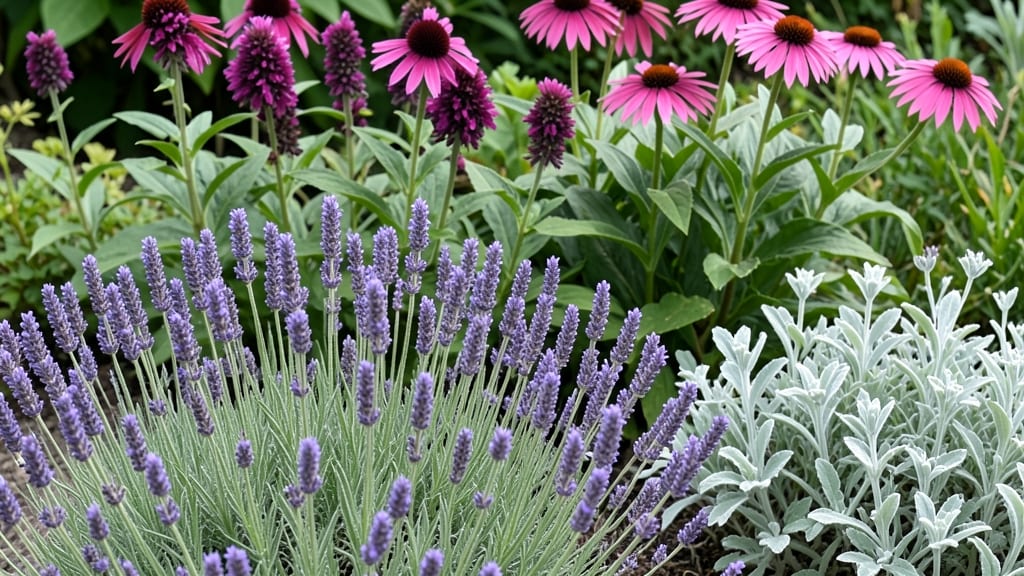
Planting garden plants outside isn't just about sticking seeds in the dirt—it's about creating a living ecosystem where the right neighbors keep pests away and yields skyrocket. 🌱 I learned this the hard way when my tomato plants wilted under aphid attacks, until I swapped in basil and marigolds as their bodyguards.
The secret lies in pairing plants that naturally repel each other's enemies while supporting growth.
Start with sun exposure and soil prep—most vegetables need 6-8 hours of sunlight daily, while herbs tolerate partial shade. Amend your soil with compost before planting, and choose companions like bush beans with corn (the beans fix nitrogen) or carrots with onions (the onions deter carrot flies).
The right mix cuts down on spraying and saves you time in the long run.
You'll notice fewer pests and more vibrant growth within weeks—tomatoes stay aphid-free, peppers thrive without blight, and herbs grow bushier when planted near their ideal partners. The key is observing which pairings work best in your specific climate and adjusting as you go.
Even my black thumb can't kill these combinations once they're established.
Works for both small containers and full garden beds, and the principles apply year after year. Once you master these pairings, you'll wonder why you ever struggled with pests in the first place. Let's get those plants talking to each other!
📚 In This Guide
- What you need
- Instructions
- Tips and common mistakes
- Wrapping up and next steps
What you need
- ● Companion plants: Choose 2-3 complementary plant varieties (e.g., basil + tomatoes, marigolds + cucumbers, or nasturtiums + squash). Start with 3-5 plants per variety for a balanced garden.
- ● Well-draining potting mix or garden soil: 1-2 cubic yards (or enough to fill raised beds/containers). Opt for organic, nutrient-rich soil with a pH of 6.0-7.0.
- ● Containers or garden beds: For containers: 5-10 gallon pots (1 per plant) with drainage holes.
- ● For in-ground: 6" deep, 12" wide planting holes spaced 18-24" apart.
- ● Organic fertilizer: Balanced 10-10-10 or compost (1 cup per plant at planting). Avoid synthetic fertilizers to preserve natural companion benefits.
- ● Mulch: 2-3 inches of straw, wood chips, or shredded leaves to retain moisture and deter pests.
- ● Watering can or hose with a gentle spray nozzle: Ensure even moisture without damaging delicate plants.
- ● Hand trowel and pruning shears: For planting and trimming. Sterilize tools with 1 part bleach to 9 parts water before use.
- ● Compost tea or liquid seaweed fertilizer: Boosts plant resilience and companion synergy.
- ● Row covers or mesh netting: Protects from pests while allowing pollination (e.g., floating row cover for cabbage families).
- ● Plant markers or stakes: Label varieties and track growth progress.
- ● Garden gloves: Protects hands from thorns (e.g., roses) or soil-borne pathogens.
- ● Soil pH test kit: Adjusts soil acidity if needed (e.g., lime to raise pH or sulfur to lower it).
Instructions for designing a pest-resistant outdoor garden layout
Here's how to arrange plants for natural pest control and healthier yields—no chemicals needed.
🌱 Step 1: Choose Your Core Crops and Pest-Prone Plants
Start by identifying which plants in your garden attract pests most aggressively. Tomatoes, for example, often battle hornworms and aphids, while cabbage families face relentless cabbage moths. I always group these together in one section so their natural allies can protect them effectively. Look for plants that share similar growing conditions—like full sun and moist but well-draining soil—so they thrive without competing for resources.
Make a quick sketch of your garden beds before planting. This helps visualize how companion plants will fit between your main crops. For instance, basil planted near tomatoes repels whiteflies and thrips, while marigolds deter nematodes. I've found that spacing matters too—leave 12-18 inches between rows to allow airflow, which reduces humidity and fungal diseases that pests love.
🌿 Step 2: Add Pest-Repelling Companion Plants Strategically
Now it's time to weave in the protectors. For leafy greens like lettuce or kale, interplant with aromatic herbs like dill, cilantro, or chives—their strong scents mask the plants' natural fragrances that attract pests. I like to place these companions at the edges of beds, where they act as a living barrier. For example, nasturtiums planted around squash and cucumbers deter squash bugs and cucumber beetles while adding vibrant color to the garden.
For root crops like carrots or radishes, try planting onions or garlic nearby. Their sulfur compounds act as a natural insecticide, keeping carrot flies away. I always space these 4-6 inches apart so their roots don't tangle. The key is to place companions where they'll be most effective—right next to the plants they protect, not scattered randomly. This ensures their pest-deterring properties work at peak efficiency.
☀️ Step 3: Incorporate Trap Crops and Beneficial Plants
Trap crops are a game-changer. These are plants that pests love even more than your main crops, luring them away. For instance, radishes planted near broccoli or cabbage draw flea beetles away from your brassicas. I like to plant trap crops in small patches at the edges of beds, far enough from your main crops that pests won't jump back. Another trick is to use sacrificial plants like alyssum or sweet alyssum—they attract beneficial insects like hoverflies and ladybugs, which then hunt down garden pests.
Don't forget about plants that attract pollinators and predatory insects. Flowers like alyssum, marigolds, and cosmos bring in bees, butterflies, and wasps that prey on pests. I always dedicate one corner of my garden to these pollinator magnets, ensuring they bloom continuously throughout the growing season. This creates a balanced ecosystem where pests are naturally kept in check without harming your crops.
💧 Step 4: Maintain Balance with Regular Garden Checks
Once your layout is in place, consistency is key. I check my garden every 3-4 days for signs of pest activity, looking for chewed leaves, holes, or sticky residue from aphids. Early detection means you can address issues before they spiral. For example, if you notice aphids on your roses, blast them off with a strong stream of water from your hose—this works surprisingly well and is completely chemical-free.
Rotate your crops annually to prevent soil-borne pests and diseases from building up. For instance, if you grew tomatoes in one bed this year, plant beans or peas there next season. They fix nitrogen in the soil, which benefits heavy feeders like tomatoes in future years. I also mulch heavily around plants to deter pests like slugs and cutworms, using 3-4 inches of organic mulch like straw or shredded leaves. This keeps the soil moist and cool, which plants love, while making it harder for pests to access your crops.
Tips & tricks for designing a pest-free garden layout
Creating a thriving garden ecosystem takes more than just planting—it's about strategic partnerships between plants. Here's how to maximize the natural pest control you're already planning.
Companion Planting Precision: When placing your aromatic herbs like basil or chives near tomatoes in Step 1, position them on the south side of the bed to maximize sun exposure while still benefiting from their protective scents. I've found that this placement also creates a natural windbreak that reduces stress on your main crops during hot afternoons. The 12-18 inch spacing between rows mentioned is perfect for airflow, but don't be afraid to reduce this to 10-12 inches for bushier varieties like basil that need less space while still providing protection.
Trap Crop Strategy: In Step 3, when planting your radishes as trap crops, create a dedicated "pest zone" at least 3 feet away from your brassicas. This distance prevents flea beetles from simply jumping from your trap to your main crops. I like to mark these zones with small stakes so I remember where they are—last year, I accidentally planted a new tomato seedling right in my radish trap zone and lost that plant to aphids before I realized what happened!
Pollinator Pathways: For the beneficial insect section in Step 3, think of your pollinator magnet corner as a "highway" connecting different areas of your garden. Plant flowers in staggered heights—tall cosmos at the back, medium marigolds in the middle, and low-growing alyssum in front—to create landing platforms for different insects. This vertical arrangement increases the surface area for beneficial insects to patrol your garden, effectively doubling their pest-control coverage. The continuous bloom you mentioned is key—aim for at least 3 months of uninterrupted flowering to maintain this ecosystem.
Mulch Mastery: When applying your 3-4 inches of organic mulch in Step 4, focus on creating a "moat" effect around the base of plants rather than piling it directly against stems. This prevents moisture from sitting against plant bases where slugs and cutworms thrive. I've also found that using straw mulch (rather than wood chips) breaks down faster, releasing nutrients back into the soil while maintaining that protective barrier. The mulch also helps regulate soil temperature, which is particularly important during those 3-4 day check-ins—consistent soil temps mean more consistent plant health.
Pro Tips for Garden Plants Outside
- Creating a thriving garden ecosystem takes more than just planting—it's about strategic partnerships between plants.
- I've found that this placement also creates a natural windbreak that reduces stress on your main crops during hot afternoons.
- Trap Crop Strategy: In Step 3, when planting your radishes as trap crops, create a dedicated "pest zone" at least 3 feet away from your brassicas.
Frequently asked questions
about garden plants outside and their companion pairings can help you make the most of your pest-free garden. Here are some common queries:What are the easiest companion plants to grow together outside?
Start with classic pairings like basil and tomatoes (basil repels pests and improves flavor), marigolds and vegetables (marigolds deter nematodes), or carrots and onions (onions repel carrot flies). These combos require minimal effort and deliver big results!
When is the best time to plant companion plants outdoors?
Timing depends on your climate, but generally, plant cool-season companions (like lettuce or peas) 4–6 weeks before the last frost, and warm-season plants (like tomatoes or peppers) 2–3 weeks after the last frost. Check your local frost dates for precision!
How do I troubleshoot pests in a companion planting setup?
If pests persist, rotate crops yearly, introduce beneficial insects (like ladybugs or lacewings), or add strong repellents like garlic or chives near vulnerable plants. Avoid overcrowding—healthy spacing reduces hiding spots for pests!
Can I use companion plants in containers or small spaces?
Pair dwarf varieties (like bush beans or cherry tomatoes) with compact herbs (basil, thyme) in pots. Use self-watering containers and ensure each plant gets enough sunlight. Just mimic the same spacing rules as in-ground gardens!
What if my companion plants aren’t thriving in the heat?
Provide shade cloth for delicate plants (like lettuce) during peak sun, mulch heavily to retain moisture, and water deeply in the morning. Some plants, like cucumbers or squash, thrive in heat—just give them plenty of water!
Wrapping up and next steps
Transforming your garden into a pest-free paradise is easier than you think—just by harnessing the power of companion planting! 🌱 From the bold flavors of basil and tomatoes to the fragrant alliance of marigolds and peppers, these natural partnerships work together to boost growth, deter pests, and create a thriving outdoor space.
Whether you're a seasoned gardener or just starting, these plant pairings offer a low-maintenance, eco-friendly way to maximize your harvest.
Ready to put your green thumb to work? Start small—pick one or two plant combos from this guide, test them in your garden, and watch your yields flourish! 🌿 Next step: Grab your seeds, sketch a simple layout, and let nature do the rest. Happy planting!