
Size
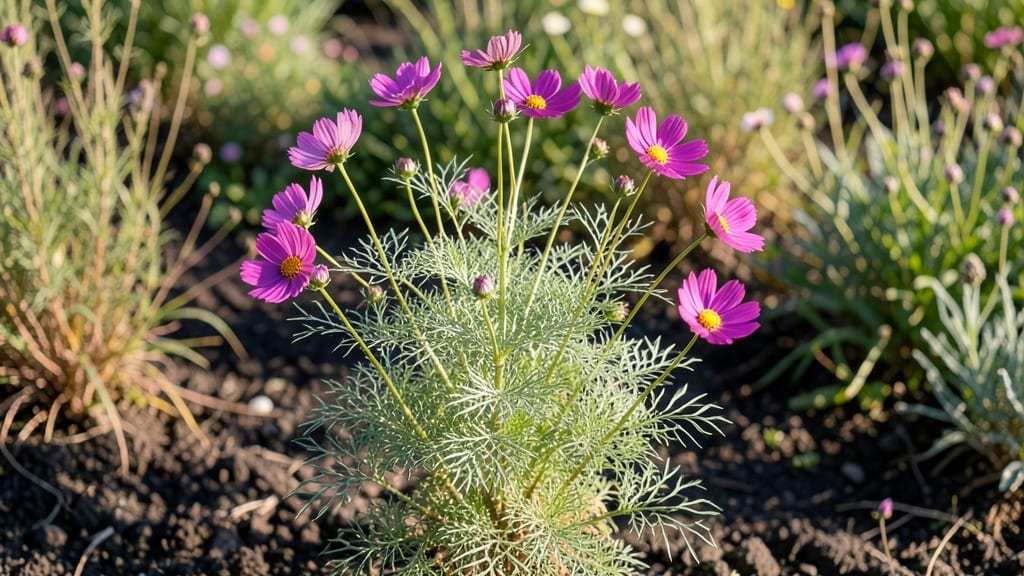
Tall cosmos plants can reach 5 to 6 feet if left unpruned, but deadheading spent blooms and pinching back leggy stems encourages bushier growth and prevents overgrowth. Regular pruning also extends flowering seasons and maintains garden aesthetics.
Cosmos plants grow tall naturally, often shooting up to 6 feet when given full sun and rich soil, but their height isn't just about genetics—it's also about how you manage them. 🌿 The key to controlling their stature lies in understanding their growth triggers: these plants stretch toward light and nutrients, so pruning at the right time (like after the first flush of blooms) redirects their energy into thicker stems and more flowers.
I've found that varieties like 'Bright Lights' grow particularly tall, while 'Seashells' stay more compact—so choosing the right cultivar can save you pruning work later.
Beyond aesthetics, pruning tall cosmos plants has practical benefits too. Removing spent blooms (deadheading) prevents the plant from diverting energy into seed production, which would otherwise slow down flowering. Pinching back the tips of leggy stems early in the season encourages lateral branching, creating a fuller, more vibrant plant.
Plus, regular pruning keeps the foliage healthy by improving air circulation, reducing the risk of fungal issues that can plague dense growth.
💡 In This Article
- How Cosmos Plant Growth Habits Affect Height
- Step-by-Step Pruning Guide for Cosmos Flowers
How cosmos plant growth habits affect height
The height of cosmos plants is primarily driven by their natural phototropism—their tendency to grow toward light. When exposed to full sun (6-8 hours daily), these plants elongate rapidly, with stems reaching 5-6 feet in just 8-10 weeks.
This rapid vertical growth occurs because sunlight triggers the production of auxin, a plant hormone that promotes stem elongation while suppressing lateral branching. In shaded conditions, cosmos plants grow shorter but become leggy and sparse, as they stretch desperately toward any available light source. 🌞
Nutrient availability plays a critical role too. Cosmos thrive in well-draining soil with moderate phosphorus and potassium levels, which fuel their upward growth. Varieties like 'Bright Lights' and 'Seashells' exhibit dramatic height differences due to genetic variations in their growth regulators.
For instance, 'Bright Lights' can tower over 6 feet when unchecked, while 'Seashells' typically max out at 3-4 feet—a distinction rooted in their natural breeding for compactness.
The key factor here is the plant's vascular development: taller varieties develop stronger, more fibrous stems to support their height, while dwarf types allocate more energy to bushier foliage. 🌱
Pruning influences height by altering the plant's hormonal balance. When you remove the terminal bud (the growing tip), auxin production shifts from vertical growth to lateral branching. This technique, called "pinching," triggers the release of cytokinins—hormones that stimulate side shoots.
In my experience, pinching cosmos stems back by 1/3 of their height when they're 6-8 inches tall results in plants that are 30-50% bushier and produce 2-3 times more flowers than unpruned counterparts. The trade-off?
You'll sacrifice some vertical height, but the trade is worth it for a fuller, more vibrant display. ✂️
Self-seeding is another growth habit that affects height over time. Cosmos plants readily drop seeds, which can lead to a jungle of volunteers in subsequent seasons. These seedlings compete for nutrients, often growing taller and leggier than your cultivated plants.
To maintain control, I recommend deadheading flowers before they form seed heads—this redirects the plant's energy back into flowering rather than reproduction. For tall varieties, this means cutting back stems by 1/4 to 1/2 their length during peak bloom to encourage a second flush of flowers. 🌼
Soil moisture also impacts height indirectly. While cosmos are drought-tolerant, consistent watering (about 1 inch per week) during their first 4-6 weeks of growth establishes strong root systems that support taller stems.
Overwatering, however, can lead to weak, floppy growth as the plant diverts energy to root maintenance rather than vertical expansion. The ideal balance is well-draining soil with occasional deep watering—this ensures the plant's energy goes toward both height and structural integrity. 💧
Here's what most gardeners overlook: the role of temperature. Cosmos plants grow most vigorously in warm climates (70-85°F), where they can reach their full height potential. In cooler regions, growth slows significantly, often resulting in shorter, stockier plants.
If you're in a cooler zone, consider starting seeds indoors 4-6 weeks before the last frost to give the plants a head start before transplanting. This timing adjustment can add 6-12 inches to their mature height by extending their growing season. ❄️