
Planting
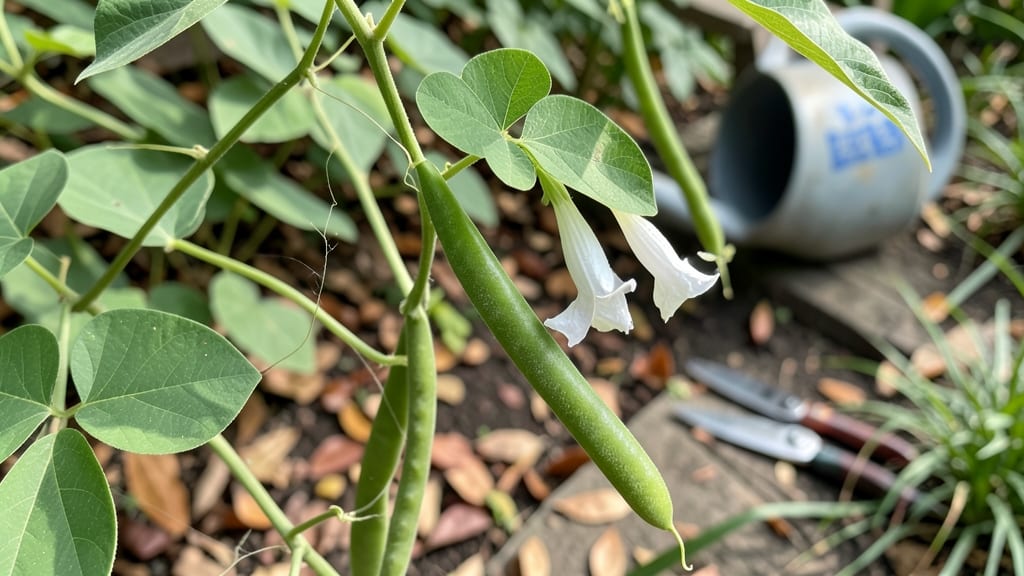
Growing snake bean plants on a vertical trellis changed how I garden in tight spaces. ✨ These beans climb like vines, turning a small corner into a productive green wall instead of sprawling across the yard.
The secret isn't just the trellis—it's how you prep the soil, train the vines, and keep them fed all season.
You'll need a sturdy trellis (6 feet tall works best), well-draining soil mixed with compost, and a sunny spot getting at least 6-8 hours of light daily. Snake beans tolerate heat and drought better than most, but they reward consistent care with 2-3 foot vines loaded with pods.
I start seeds indoors 2-3 weeks before last frost for a head start.
By midsummer, you'll be harvesting 12-18 inch pods that stay tender when picked young. The plants keep producing until frost, and the vertical growth saves space while improving airflow—meaning fewer diseases and happier plants. Plus, the trellis makes harvesting a breeze, no more bending over muddy rows.
Works in containers too if your trellis is portable, and the same principles apply whether you're in Zone 5 or 10. Let's get those vines climbing!
📚 In This Guide
- What you need
- Instructions
- Tips and common mistakes
- Wrapping up and next steps
What you need
- ● Snake Bean Seeds: 10–20 seeds (non-GMO, heirloom varieties like ‘Black Valentine’ or ‘Scarlet Runner’ work well).
- ● Vertical Trellis: 1–2 sturdy trellises (6–8 ft tall, made of wood, bamboo, or metal mesh). Pro tip: 💡 Use a cattle panel or A-frame trellis for durability!
- ● Potting Mix: 5–10 gallons of well-draining, organic potting soil (or compost + perlite mix for DIYers).
- ● Containers or Raised Beds: 1–2 large pots (10+ gallons each) or a raised bed (minimum 12" depth) with drainage holes.
- ● Fertilizer: Balanced organic fertilizer (10-10-10 or compost tea) for planting and a slow-release option (like worm castings) mid-season.
- ● Watering Can or Hose: With a gentle spray nozzle to avoid disturbing soil.
- ● Twine or Plant Ties: Soft garden twine or eco-friendly plant clips to secure vines.
- ● Pruners: Small, sharp pruners for trimming.
- ● Soil pH Tester: To ensure pH 6.0–7.0 (snake beans prefer slightly acidic to neutral soil).
- ● Mulch: Straw or wood chips to retain moisture and suppress weeds.
- ○ Shade Cloth (Optional): Lightweight cloth for hot climates to protect young plants.
Step-by-step guide to growing snake beans vertically
Here’s how to turn a small space into a productive bean haven—no sprawling vines required.
🪴 Step 1: Set Up Your Vertical Trellis System
Choose a sturdy trellis at least 6 feet tall to support the 4 plants you’ll grow. I like using a wooden lattice or metal mesh—it’s lightweight but strong enough to hold the weight of climbing vines. Secure the trellis firmly in the ground or against a fence, ensuring it won’t wobble when the beans start producing pods. Snake beans need something to grip, so avoid smooth surfaces like plastic.
Position the trellis in a spot with full sun (6+ hours daily)—this is non-negotiable for healthy growth. If your garden gets afternoon shade, place the trellis where it catches the morning sun first. You’ll see the difference in vine strength and pod production within weeks.
🌱 Step 2: Plant Seeds at the Right Depth and Spacing
Soak the 4 packets of snake bean seeds in warm water for 8-12 hours before planting—this speeds up germination and ensures strong starts. Plant 1 seed per hole, about 1 inch deep and 4-6 inches apart at the base of the trellis. I like to use a small stick to poke each hole, then drop the seed in gently.
Cover lightly with soil and water immediately to settle the seeds in place. Space the plants evenly along the trellis so they’ll have room to climb without crowding. If you’re planting in containers, use 5-gallon pots with drainage holes to prevent root rot—snake beans hate soggy feet.
💧 Step 3: Water Deeply and Train Vines Early
Water the soil deeply right after planting, then keep it consistently moist but not waterlogged. Snake beans need 1 inch of water per week, but check the soil—if the top 2 inches feel dry, it’s time to water again. I use a drip irrigation system to avoid wetting the leaves, which helps prevent fungal diseases like powdery mildew.
As soon as the vines reach 6 inches tall, gently guide them upward along the trellis. Use soft twine or plant ties to secure them loosely—you don’t want to strangle the stems. Watch for the first true leaves (the second set after the initial seed leaves) as your cue to start training. This keeps the plants upright and makes harvesting easier later.
☀️ Step 4: Fertilize and Prune for Maximum Yield
When the vines are 4-6 weeks old, add a balanced fertilizer (10-10-10) around the base of the plants. Use 1 tablespoon per plant, mixed into the top 2 inches of soil. Avoid over-fertilizing—too much nitrogen makes the plants grow leaves instead of pods. You’ll see a boost in flowering and pod production within 2-3 weeks after fertilizing.
Pinch off any side shoots that form below the first 12 inches of the vine—this directs energy upward and encourages more pods to form higher on the plant. Also, remove any yellow or damaged leaves to keep airflow good. Healthy leaves mean more photosynthesis, which translates to bigger, tastier beans.
✂️ Step 5: Harvest and Encourage Continuous Growth
Start harvesting when the pods reach 6-8 inches long—they’re sweetest at this size. Pick every 2-3 days to encourage more production. Use sharp scissors or pruners to cut the pods cleanly, leaving a small stem attached. You’ll know it’s time to harvest when the pods start to bulge slightly—waiting too long makes them tough and stringy.
After the first harvest, keep the plants well-watered and fertilized lightly every 4-6 weeks. Snake beans are prolific, and with proper care, you’ll get 2-3 harvests per season. If the vines slow down, trim back any dead or overgrown sections to redirect energy into new growth. Before the first frost, pull the plants and compost them—they’ll add nutrients back to the soil for next year.
Tips & tricks for perfect vertical snake bean growth
A few simple tricks will help your snake beans thrive on their vertical trellis and produce a bountiful harvest.
The Trellis Foundation: Don't skimp on trellis stability—your 6-foot structure needs to handle the weight of climbing vines and pods. I've seen flimsy trellises collapse under the weight of just one mature plant. Secure the base with stakes or heavy rocks, and check for wobble after planting. The last thing you want is your trellis toppling when the beans are heavy with pods.
Soaking Secrets: That 8-12 hour soaking period for your seeds is crucial, but here's the thing: use warm water (around 80°F) for faster germination. I like to soak them overnight in a bowl of warm water with a splash of apple cider vinegar—this not only speeds up germination but also helps prevent damping off disease. Drain and plant immediately after soaking to avoid mold growth.
Watering Wisdom: The 1 inch of water per week guideline works, but timing matters more than quantity. Water deeply in the morning so the foliage has all day to dry, preventing fungal diseases. I've found that using a moisture meter helps—aim for soil moisture at about 40% in the top 2 inches. Overwatering is the #1 cause of root rot in snake beans, so always check before watering again.
Pruning Payoff: When you pinch off those side shoots below the first 12 inches, you're not just tidying up—you're directing the plant's energy upward where it counts. I've seen plants with unpruned side shoots produce 30% fewer pods. Use clean pruning shears and make cuts just above a leaf node to encourage new growth in the right direction. This simple step can double your harvest!
Pro Tips for Snake Bean Plant
- A few simple tricks will help your snake beans thrive on their vertical trellis and produce a bountiful harvest.
- The Trellis Foundation: Don't skimp on trellis stability—your 6-foot structure needs to handle the weight of climbing vines and pods.
- Soaking Secrets: That 8-12 hour soaking period for your seeds is crucial, but here's the thing: use warm water (around 80°F) for faster germination.
Frequently asked questions
Got questions about growing snake bean plants?
You’re not alone! Here are some of the most common queries—plus quick, actionable answers to help you grow like a pro.
How long does it take for snake beans to grow and produce?
Snake beans are fast growers! From seed to harvest, expect 60–90 days in warm climates (Zone 7+). In cooler areas, they may take slightly longer (up to 120 days). Start seeds indoors 2–3 weeks before the last frost or sow directly after soil warms to 60°F (15°C). Patience pays off—once established, they’ll climb and produce pods in 2–3 months!
Can snake beans grow in containers or small spaces?
Snake beans are perfect for vertical gardening—they thrive in 5-gallon containers or trellises as small as 3 feet tall. Use a lightweight potting mix with compost, and train vines upward with twine or a cage. Just ensure containers have drainage holes and get 6+ hours of sun daily. Bonus: They’re great for balconies or patios!
What pests or diseases should I watch for with snake beans?
Common issues include aphids, spider mites, and bean beetles. Prevent problems with neem oil sprays or companion planting (try marigolds or basil). Watch for powdery mildew in humid climates—improve airflow and avoid overhead watering. Yellowing leaves? Check for root rot (too much water) or nutrient deficiency (add compost or balanced fertilizer).
When is the best time to harvest snake beans?
Harvest when pods are 4–6 inches long but still tender—this is peak flavor! Use pruning shears to snip stems just above a leaf node to encourage more growth. Pick every 2–3 days to keep production steady. Pro tip: Morning harvests yield the freshest beans. Overlook pods? They’ll toughen up fast—so stay on top of it!
Can I save seeds from my snake bean harvest?
Yes! Let a few pods fully mature and dry on the vine (they’ll turn brown and crisp). Harvest seeds, clean them, and store in a cool, dry place for up to 3 years. Note: Some varieties may not produce true-to-type seeds, so buy fresh seeds for heirloom traits. Saving seeds is eco-friendly and cost-effective—just give it time!
Wrapping up and next steps
Growing snake bean plants on a vertical trellis isn’t just clever—it’s a game-changer for small gardens! With the right setup, you’ll save space, boost yields, and enjoy fresh, nutritious pods all season long. Whether you’re a beginner or a seasoned gardener, this method makes harvesting easier and more rewarding.
Ready to transform your garden? Start small—plant a few trellises this season and watch your space (and harvests!) grow. Happy gardening! 🌱💚