
How To
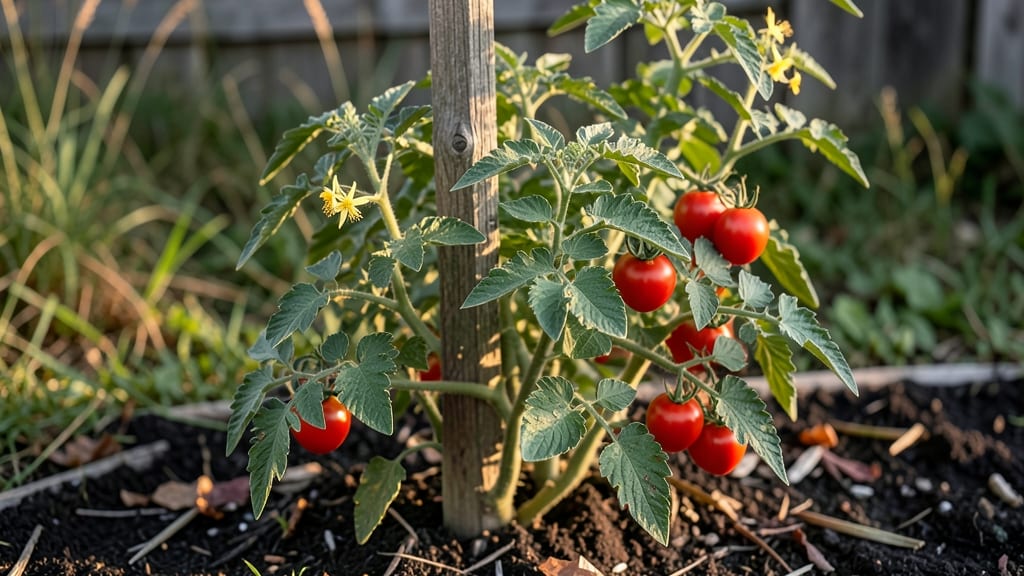
Understanding how tall does a tomato plant grow—from compact 1-foot bushes to towering 12-foot giants—can completely reshape your garden’s possibilities 🍅.
Picture this: your Tiny Tim tomatoes stay compact in a pot, while a Sungold vine climbs your fence like a jungle gym. That’s the difference between determinate (bush) and indeterminate (vining) types, and it’s the first thing to consider when planning your space.
Most gardeners assume all tomatoes need tall stakes, but dwarf varieties thrive in containers, while sprawling types need trellises or cages. Below, I break down the height ranges by type, how to control growth naturally, and when to intervene before your plants outgrow their support.
You’ll learn how to match your variety to your space, spot early signs of overgrowth, and even coax taller plants to stay manageable—without sacrificing yield.


Tomato plant height by variety: dwarf, medium, and vining types explained
Tomatoes come in three distinct height categories: dwarf (1–3 feet), medium (3–5 feet), and vining (6+ feet). The difference isn’t just about aesthetics—it impacts your garden layout, support needs, and even harvest timing.
For example, my Tiny Tim tomato plants stay compact enough for container gardening, while Sungold varieties climb like vines if left unstaked. Understanding these growth habits helps you avoid overcrowding or underutilized space.
Most tomato varieties fall into two growth patterns: determinate (bush-type) or indeterminate (vining). Determinate types grow to a fixed height and produce fruit all at once, making them perfect for small spaces.
Indeterminate types keep growing until frost, yielding fruit continuously but needing strong support. Knowing which type you’re growing determines whether you’ll need cages, stakes, or trellises—or if you can let them sprawl.
Here’s how to match your space and goals to the right tomato height:
• Dwarf varieties (1–3 ft): Ideal for pots, balconies, or urban gardens where space is tight. • Medium varieties (3–5 ft): Perfect for in-ground beds with moderate spacing. • Vining varieties (6+ ft): Best for large gardens, trellises, or vertical growing to save ground space.
Let’s break down the specifics with real-world examples and support needs in the table below.
🌱
| Variety Type | Height Range | Growth Habit | Best For | Support Needed |
|---|---|---|---|---|
| Dwarf (Determinate) | 1–3 ft | Bushy, compact | Containers, small gardens | None or small cages |
| Tiny Tim | 1–2 ft | Determinate | Pots, windowsills | None |
| Patio Princess | 2–3 ft | Determinate | Balconies, raised beds | Small stakes |
| Medium (Determinate) | 3–5 ft | Bushy, mid-height | In-ground beds, larger pots | Cages or stakes |
| Roma | 3–4 ft | Determinate | Sauces, canning | Cages |
| Celebrity | 4–5 ft | Determinate | All-purpose slicing | Stakes or cages |
| Vining (Indeterminate) | 6+ ft | Unlimited growth | Vertical gardens, large spaces | Trellises or strong stakes |
| Sungold | 6–10 ft | Indeterminate | Sweet cherry tomatoes | Trellis or tall stakes |
| Brandywine | td style="padding: 10px; border-bottom: 1px solid #ddd;">8–12 ftIndeterminate | Heirloom slicing |
How to control tomato plant height: pruning, trellising, and support methodsTomato plants can grow from compact 1-foot bushes to towering 10-foot vines, but their height isn't random—it's shaped by pruning choices and support systems. Whether you're growing cherry tomatoes in pots or beefsteak varieties in your backyard, controlling height saves space and boosts yields. The key? Match your pruning style to your tomato variety and garden setup. Indeterminate varieties like Sungold or Brandywine grow continuously until frost, while determinate types like Roma or Celebrity stop at 3-5 feet. Your trellising method—whether cages, stakes, or floppy systems—directly impacts how tall your plants become. Let's break down the best approaches for your garden. 🌱
Tomato Height Zones by Variety & Support
Pro Tip: Prune indeterminate varieties weekly to manage height and redirect energy to fruit production.
For indeterminate tomatoes, I recommend aggressive pruning—removing suckers (side shoots) weekly to keep plants under 6 feet. Start by pinching off suckers larger than a pencil and focus on the lower third of the plant first. This method works best with tall stakes or trellises to support the remaining growth. If you're growing determinate varieties, minimal pruning is key. These plants naturally stop growing at 3-5 feet, so I suggest using 5-foot cages or sturdy stakes to prevent sprawling. Avoid heavy pruning, as it reduces fruit production in these types. Container gardening? Choose dwarf varieties and use topping techniques—pinching the main stem at 2-3 feet to encourage bushier growth. Pair this with small tomato cages or individual stakes to keep plants contained. Remember, root-bound plants grow slower, so upgrade pots as needed! For large vining varieties, consider floppy systems—spreading vines across ground cloth or low trellises reduces height while making harvests easier. This method works well in greenhouses or shady gardens where vertical growth is limited. Just ensure your setup allows for 6+ feet of spread. No matter your method, always prune in the morning to allow wounds to heal before evening moisture sets in. Use sterilized pruners and avoid cutting into woody stems—focus on green growth for best results. With the right approach, you'll have manageable height and a bountiful harvest all season long! ✂️🌿 |