
Flowers
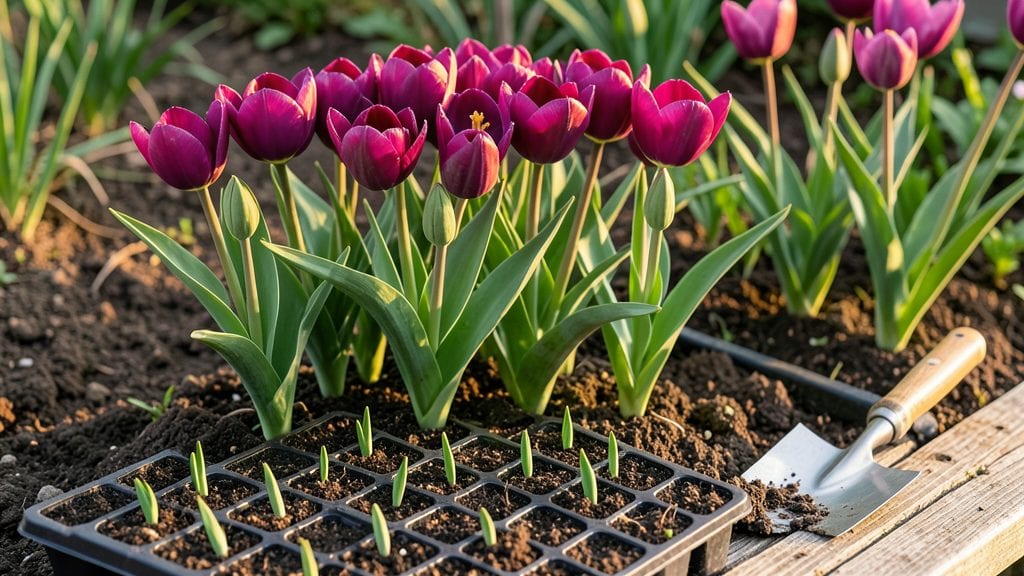
Planting flowers in Philadelphia at the right time means spring blooms by April and fall color that lasts through November—no more watching your garden miss its prime.
Philadelphia’s unpredictable spring and summer weather can make timing your flower planting tricky—but getting it right means vibrant blooms from early spring to late fall. With USDA Zone 7a’s unique climate, knowing the exact windows for annuals, perennials, and bulbs can transform your garden into a year-round spectacle.
Most gardeners here plant spring flowers between March and May and fall varieties in September and October, but the real secret is adjusting for microclimates—whether you’re in a sun-baked urban pocket or a shadier backyard. Even a two-week difference can mean the difference between thriving petunias and wilted pansies.
Below, I’ll break down the best planting windows for each type of flower, plus how to use Philadelphia-specific resources—like the Philadelphia Horticultural Society’s frost date guides—to time it perfectly every year.
Philadelphia’s best flower planting months by type: annuals, perennials, and bulbs
Philadelphia’s Zone 6b climate means we get unpredictable frost dates and hot summer humidity—both critical factors for timing your flower plantings. The last average frost typically hits around April 15, while the first frost often arrives by November 15.
These dates create a 180-day growing window perfect for strategic planting to maximize blooms year-round.
Annuals, perennials, and bulbs each have optimal planting windows tied to soil temperatures and weather patterns. For example, spring annuals like petunias thrive when soil warms to 60°F (15°C), while fall bulbs like daffodils need 6-8 weeks of chilling before spring blooms.
Let’s break down the best months for each type to ensure your garden stays colorful from March through November.
📋 Summary Table: Philadelphia Flower Planting Calendar
| Plant Type | Best Planting Months | Soil Temp Requirement | Key Notes |
|---|---|---|---|
| Spring Annuals | April–May | 60°F (15°C) | Petunias, geraniums, marigolds. Heat-tolerant varieties like zinnia or celosia can start in late May. |
| Summer Annuals | June–July | 70°F (21°C) | Sunflowers, cosmos, vinca. Direct-sow after June 1 to avoid early summer heat stress. |
| Fall Annuals | September–October | 55°F (13°C) | Pansies, snapdragons, sweet alyssum. Plant 6–8 weeks before first frost for fall/winter color. |
| Early Perennials | March–April | 50°F (10°C) | Daylilies, coneflowers, black-eyed Susans. Divide clumps in early spring for revitalized growth. |
| Late Perennials | September–October | 60°F (15°C) | Rudbeckias, asters, sedum. Establish roots before fall dormancy. |
| Spring-Blooming Bulbs | October–November | 50°F (10°C) | Daffodils, tulips, hyacinths. Plant 6–8 weeks before ground freezes for spring blooms. |
| Fall-Blooming Bulbs | August–September | 70°F (21°C) | Crocus, allium, fall-blooming dahlias. Plant early to avoid summer heat stress. |
For annuals, timing is everything—especially in Philadelphia’s humid summers. Spring annuals like petunias and geraniums should hit the ground by late April when soil temperatures consistently stay above 60°F (15°C).
If you wait until May, opt for heat-tolerant varieties such as zinnia or celosia, which can handle the 90°F+ days Philadelphia often sees.
Perennials are more forgiving but still benefit from strategic planting. Early spring is ideal for dividing clumps of established perennials like daylilies or cone flowers, while late summer planting (August–September) gives rudbeckias and asters time to establish roots before winter. Never plant perennials in extreme heat—their root systems need time to acclimate.
Bulbs are a Philadelphia gardener’s secret weapon for year-round color. Spring-blooming bulbs like daff
How to adjust planting times for Philadelphia’s microclimates and weather quirks
Philadelphia’s urban landscape creates microclimates that can shift planting times by weeks—especially in south-facing yards or container gardens. The city’s heat islands trap warmth, while brick buildings create wind tunnels that dry out soil faster.
Even experienced gardeners fall into traps like planting tender annuals too early after a false spring, only to see frost damage. The key? Using localized data and smart adjustments.
Start by checking AccuWeather’s Philadelphia forecast for last frost dates—typically around April 15—but verify with soil thermometers. A 60°F soil temperature signals it’s safe for most flowers. For container growers, this window shrinks to just 2-3 weeks due to faster warming.
Urban gardeners with south-facing walls can push spring planting 10-14 days earlier, while shaded areas may need a 2-week delay.
⚠️ False Spring Danger
Philadelphia’s unpredictable late frosts (even in May) can kill tender annuals like petunias or geraniums. Wait until 3 consecutive days above 50°F before planting heat-lovers. For extra safety, use row covers or cold frames to extend your season by 4-6 weeks.
Extend your growing season with seasonal tools. Row covers (like Reemay fabric) add 5-10°F protection, letting you plant cool-season flowers like pansies in early March. For fall, use cold frames to keep mums blooming until November 15.
In containers, heat-tolerant varieties like zinnia or celosia thrive in urban heat, while self-watering pots prevent drought stress.
Watch for urban heat island effects. Sidewalks and buildings can raise temperatures by 5-10°F, stressing heat-sensitive flowers like impatiens. Mulch with straw or wood chips to keep roots cool, and water deeply in the morning to reduce evaporation.
For container gardens, choose light-colored pots to reflect heat and use self-watering systems to maintain moisture.
Timing mistakes cost more than lost plants—they waste money on replacements and disrupt your garden’s rhythm. Avoid planting bulbs in spring (they need fall planting) or annuals before soil warms. Instead, use Philadelphia Horticultural Society’s planting calendar as a guide, then adjust based on your specific microclimate.
For example, east-facing gardens get morning sun but cooler evenings, while west-facing spots bake in afternoon heat.
Mastering Philadelphia’s quirks turns your garden into a year-round bloom machine. Start with localized timing, protect vulnerable plants, and embrace heat-tolerant varieties. With these adjustments, you’ll enjoy continuous color from March daffodils to November chrysanthemums—no matter where your plot sits in the city.