
Vegetables
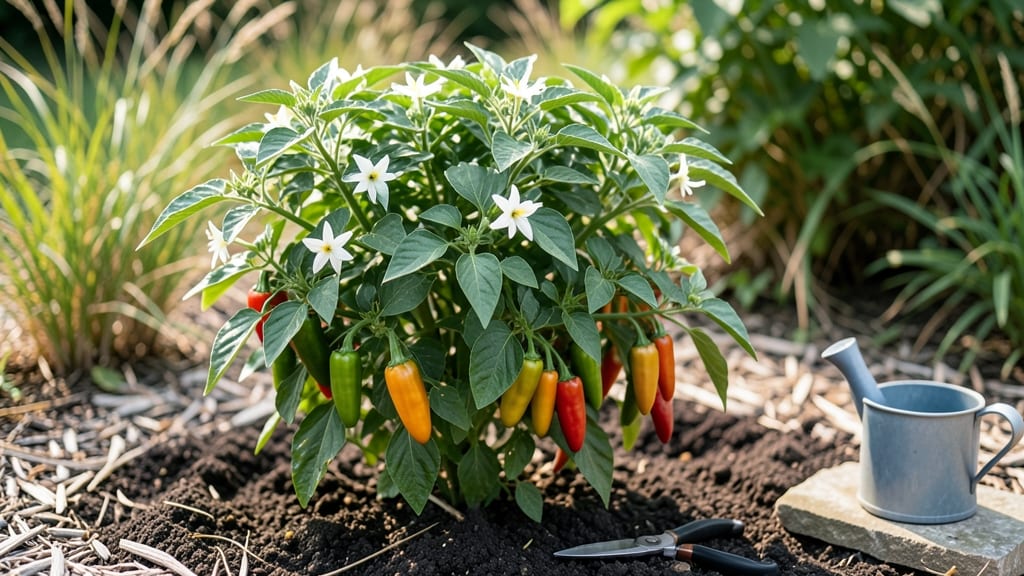
Growing the Lesya pepper plant unlocks a cold-hardy variety that defies traditional pepper growing limits—this hybrid thrives in cooler climates and even produces fruit in containers. 🌱 I’ve grown Lesya for three seasons now, and its ability to handle temperatures down to 28°F makes it my go-to for northern gardens and extended harvests.
The key lies in its genetics: bred for resilience, it doesn’t just survive—it thrives where other peppers would bolt or rot.
Start with well-draining soil mixed with compost, and place your plants in 6-8 hours of direct sunlight daily. Lesya handles partial shade better than most peppers, but full sun maximizes fruit production. For containers, a 5-gallon pot works well—just ensure drainage holes prevent root rot.
Water consistently, keeping soil moist but never soggy, and fertilize every 4-6 weeks with a balanced 10-10-10 mix once flowers appear.
Prune aggressively to encourage bushier growth and more fruit—Lesya responds well to pinching off side shoots early on. You’ll harvest medium-sized, glossy peppers in 70-80 days, with flavors ranging from sweet to mildly spicy depending on ripeness.
The real magic? Many gardeners report year-round harvests in mild climates by overwintering plants indoors or using row covers.
Watch for common pepper pests like aphids and spider mites, but Lesya’s thick foliage deters many issues. If problems arise, neem oil or insecticidal soap works safely.
For best results, succession plant every 2-3 weeks in warm climates to stretch your harvest. The payoff? A pepper plant that outperforms expectations—even in challenging conditions.
📚 In This Guide
- What you need
- Instructions
- Tips and common mistakes
- Wrapping up and next steps
What you need
- ● Lesya pepper seeds: 5–10 seeds (or 1–2 starter plants if buying seedlings). Look for certified organic or heirloom seeds for best results.
- ● Growing containers or garden bed: Containers: 5–10 gallon pots (1 per plant) with drainage holes. Use fabric grow bags or plastic pots with saucers.
- ● Garden bed: Well-draining soil in a sunny spot (6+ hours of sunlight daily). Raised beds are ideal for cold climates.
- ● High-quality potting mix: 1–2 bags of organic, well-aerated mix (e.g., 60% peat/coir, 30% perlite, 10% compost). Avoid garden soil—it compacts too easily!
- ● Fertilizer: Balanced organic fertilizer (e.g., 5-5-5 or 10-10-10) for seedlings.
- ● Slow-release fertilizer (e.g., osmacote) or compost tea for mature plants.
- ● Watering can or hose with a gentle spray nozzle: Peppers hate soggy roots—aim for consistent moisture, not drowning.
- ○ Grow lights (optional but helpful): LED full-spectrum lights (12–16 hours/day) if starting indoors before the last frost.
- ● Row covers or frost cloth: Lightweight fabric to protect young plants from unexpected cold snaps (Lesya tolerates cooler temps but needs a little help early on!).
- ● Self-watering system: Drip irrigation or wicking beds to maintain even moisture—peppers hate dry spells!
- ● Cage or stake support: Tall stakes (3–4 ft) or tomato cages to support plants as they grow (Lesya can reach 3–4 ft tall!).
- ● Mulch: Straw or shredded leaves to retain soil moisture and regulate temperature.
- ● pH test kit: Ideal soil pH for peppers is 6.0–6.8. Adjust with lime (to raise pH) or sulfur (to lower) if needed.
- ● Pest control: Neem oil or insecticidal soap for aphids/spider mites (common pepper pests).
- ● Greenhouse or cold frame: Extends the growing season for year-round harvests in colder zones.
Step-by-Step instructions for growing Lesya pepper plants
Here’s how to cultivate this cold-hardy variety—perfect for extending your harvest season.
🌱 Step 1: Start Seeds Indoors for Early Growth
Lesya peppers thrive with a head start, so begin seeds indoors 8-10 weeks before your last frost date. Use the 4 biodegradable seedling pots and fill each with 1 cup of seed-starting mix per pot. Press the soil down lightly to eliminate air pockets, then moisten it with ¼ cup of warm water until evenly damp.
Plant 1-2 seeds per pot at a depth of ¼ inch, just below the soil surface. Cover lightly with additional mix, then mist the surface with a spray bottle to ensure consistent moisture. Place the pots in a warm spot, ideally at 75-85°F, to encourage germination. You’ll see sprouts in 7-14 days—keep the soil consistently moist but never soggy during this time.
☀️ Step 2: Provide Optimal Light and Harden Off Seedlings
Once seedlings emerge, move them to a south-facing window or under a grow light to provide 14-16 hours of light daily. Lesya peppers need strong, direct light to prevent leggy growth. If using a grow light, position it 2-4 inches above the seedlings and adjust the height as they grow to maintain that distance.
After 2-3 weeks, when seedlings have 2-3 true leaves, start the hardening-off process. Place them outdoors in a sheltered spot for 1-2 hours the first day, gradually increasing exposure over 10-14 days. This prepares them for transplanting and prevents shock when moved to the garden.
🪴 Step 3: Transplant to the Garden or Containers
Transplant Lesya peppers after the last frost date, when soil temperatures reach at least 60°F. Dig holes slightly larger than the seedling pots and place each plant 12-18 inches apart to allow for airflow and growth. If using 2 large containers, space them 18 inches apart within the pot.
Fill the holes with soil, pressing gently to eliminate air pockets around the roots. Water deeply right after transplanting to help settle the soil and reduce stress. Mulch around the base with 1 inch of organic mulch to retain moisture and regulate soil temperature.
💧 Step 4: Maintain Consistent Watering and Fertilization
Lesya peppers prefer consistent moisture, so water 1-2 inches per week, ensuring the soil stays evenly damp but not waterlogged. Avoid wetting the leaves to prevent fungal diseases. Use the balanced liquid fertilizer every 2-3 weeks during the growing season to support healthy foliage and fruit production.
Watch for first flowers in 60-70 days after transplanting. If your climate has a short growing season, consider using row covers to extend warmth and protect plants from early frosts. Prune any suckers or excessive foliage to redirect energy toward fruit production.
Tips & tricks for perfect Lesya pepper plant cultivation
Growing Lesya peppers successfully hinges on understanding their unique cold-hardy nature—here’s how to avoid common pitfalls and maximize your harvest.
Seed Starting Precision: The 8-10 week indoor starting window is non-negotiable for Lesya peppers, which need this long to develop strong roots before facing outdoor conditions. I’ve learned the hard way that rushing this step leads to weak seedlings that struggle post-transplant. Use the ¼ cup of warm water to pre-moisten your seed-starting mix—this ensures even moisture distribution without creating soggy pockets that could rot seeds. The 75-85°F germination temperature range is critical; if your home runs cooler, consider a seedling heat mat.
Light Management Secret: Those 14-16 hours of daily light in Step 2 aren’t just about growth—they prevent the classic "leggy" pepper syndrome. Position your grow light 2-4 inches above seedlings and adjust as they grow, but never let them touch the light source. I’ve seen seedlings stretch toward weak light sources, creating weak stems that snap easily during transplanting. For south-facing windows, rotate pots daily to ensure even light exposure on all sides.
Transplanting Temperature Check: The 60°F soil temperature minimum in Step 3 is your green light to transplant—don’t guess! Use a soil thermometer for accuracy, especially in spring when mornings can be deceptively cool. I’ve transplanted too early when surface soil felt warm but deeper layers remained cold, causing shock. The 12-18 inch spacing isn’t just about airflow—it creates room for those cold-hardy Lesya plants to develop robust root systems that can withstand temperature fluctuations.
Cold Protection Strategy: If your growing season has early frosts, row covers become your best friend after transplanting. The 60-70 day window to first flowers gives you time to install covers before temperatures drop, protecting delicate blooms that could otherwise abort. I’ve used lightweight fabric covers that let in 80% light, which maintains photosynthesis while providing protection down to 28°F—perfect for Lesya’s cold tolerance.
Pro Tips for Lesya Pepper Plant
- Growing Lesya peppers successfully hinges on understanding their unique cold-hardy nature—here’s how to avoid common pitfalls and maximize your harvest.
- Seed Starting Precision: The 8-10 week indoor starting window is non-negotiable for Lesya peppers, which need this long to develop strong roots before facing outdoor conditions.
- Light Management Secret: Those 14-16 hours of daily light in Step 2 aren’t just about growth—they prevent the classic "leggy" pepper syndrome.
Frequently asked questions
Got questions about growing and using Lesya pepper plants? You’re not alone! This cold-hardy variety is unique, so here are answers to the most common queries to help you thrive with your harvest.
How cold can Lesya peppers tolerate?
Lesya peppers are exceptionally cold-hardy for peppers, surviving down to 20°F (-7°C) with proper protection (like mulch or row covers). In mild winters, they may even produce some peppers! For best results, grow them in USDA Zones 4-10 and start seeds indoors 8-10 weeks before the last frost.
When should I harvest Lesya peppers?
Harvest Lesya peppers when they reach 3-4 inches long for the best flavor and texture. Unlike many peppers, they don’t turn red—they stay green! You can pick them year-round in warm climates or late summer to fall in cooler zones. Pro tip: Pinch off flowers if you want larger peppers, or leave them for continuous harvests.
How do I use Lesya peppers in cooking?
These peppers are mildly sweet and slightly tangy, perfect for fresh eating, salads, or stir-fries! Their thick walls make them great for stuffing, pickling, or roasting. Try them in salsas, sauces, or even pepper jelly. Caution: They’re not as spicy as jalapeños, so they’re ideal for beginners or dishes where heat isn’t desired.
Why aren’t my Lesya peppers producing?
If your Lesya peppers aren’t fruiting, check these common issues:
- Lack of sunlight: They need 6-8+ hours of direct sun daily.
- Temperature stress: Peppers thrive in 70-85°F (21-29°C); extreme heat or cold can halt flowering.
- Nutrient deficiency: Feed with balanced fertilizer (10-10-10) and compost for better yields.
- Pollination issues: Lesya peppers are self-pollinating, but gentle shaking can help.
Pro tip: If flowers drop off, it may be due to temperature swings—keep them consistent!
Can I grow Lesya peppers in containers?
Lesya peppers adapt well to 5-gallon containers or larger with good drainage. Use a high-quality potting mix and place them in full sun. Just ensure the pot stays stable (they can get top-heavy) and water consistently. Bonus: Container growing makes them perfect for balconies, patios, or small gardens!
Wrapping up and next steps
Growing the Lesya pepper plant is a rewarding journey that brings bold flavors and vibrant harvests to your table—even in cooler climates! 🌱 With its cold-hardy nature and year-round potential, this versatile pepper is perfect for both seasoned gardeners and beginners eager to experiment.
Whether you’re spicing up dishes or preserving your bounty, Lesya peppers prove that deliciousness doesn’t need sunshine to thrive.
Ready to dive in? Start by gathering your seeds, soil, and a sunny spot (or grow lights!), and let your green thumb shine. Happy planting—and may your harvest be plenty and fiery! 🔥