
Watering
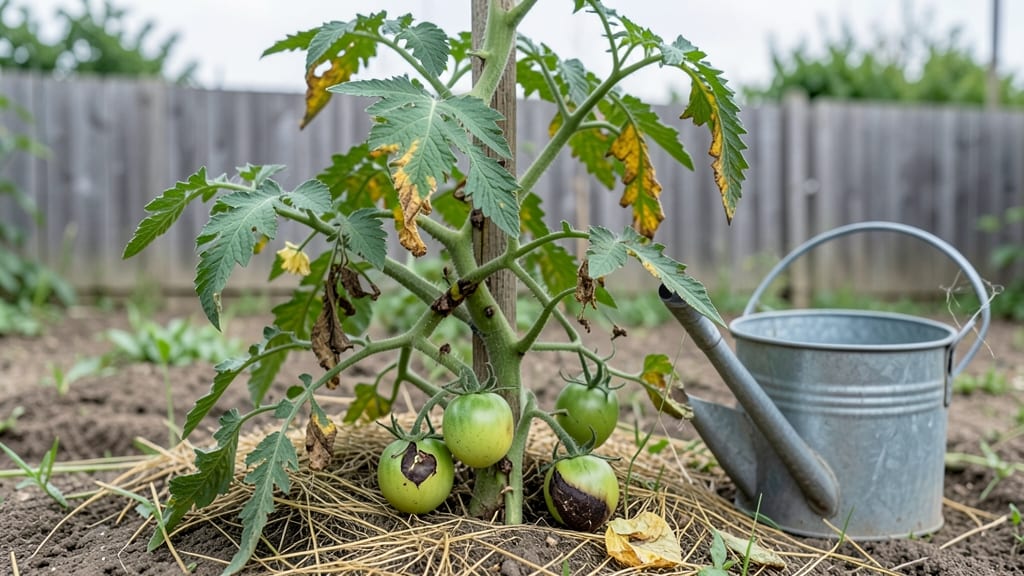
Fixing overwatered tomato plants saved my 2019 harvest after I drowned them in May—now I’m sharing the exact steps that brought them back from the brink. The first sign? Yellow leaves that felt mushy when I touched them, paired with roots that smelled like wet socks.
If your plants look like they’re drowning, don’t panic: with the right moves, you can revive them in days.
Start by stopping all water immediately and checking the soil. If it’s soggy 2 inches down, your tomatoes are in distress. Gently loosen the top layer of soil with your fingers to help roots breathe, then let the pot or bed drain completely.
For container plants, move them to a shaded spot—direct sun while stressed just speeds up the damage. This isn’t just about water; it’s about giving roots a chance to recover.
Within 3–5 days, you’ll see new growth if the roots are still alive. Prune any blackened stems or leaves (they’re past saving), and adjust your watering to 1 inch per week—only when the top inch of soil feels dry.
The key is consistency: overwatering happens when we love our plants too much. By next week, your tomatoes will be back to their vibrant selves, and you’ll know exactly how to keep them thriving.
This method works for both potted and in-ground tomatoes, though containers dry out faster. If you’re dealing with heavy clay soil, consider amending it with compost next season—better drainage prevents this mess entirely. Now, let’s turn those sad plants into productive vines again.
Root Causes Of Overwatering
Tomato plants may seem like they’re thriving with lots of water, but too much moisture can actually suffocate their roots and trigger a cascade of problems. Understanding why this happens is the first step to preventing it—and saving your plants.
Here’s a breakdown of the key culprits behind overwatered tomato plants, explained in simple terms with actionable science.
Tomatoes need well-draining soil to avoid waterlogging, but many gardeners unknowingly create the perfect recipe for root rot by planting in heavy clay, compacted soil, or containers without drainage holes. Here’s how it plays out:
- Water sits instead of draining: When soil lacks porosity (like sandy or loamy mixes), excess water pools around roots, cutting off oxygen. Roots need both water and air to function—think of it like drowning in a puddle.
- Clay soil’s tight grip: Clay particles clump together, trapping water like a sponge that never releases. Even after rain or watering, moisture lingers for days, suffocating roots.
- Container traps: Pots without drainage holes act like bathtubs for your plants. Water accumulates at the bottom, while the top layer stays soggy.
Actionable fix: Amend soil with compost or perlite to improve aeration, and always use pots with drainage holes. A quick test? Stick your finger 2 inches into the soil—if it’s damp after 24 hours, drainage is the issue.
Even the best-intentioned gardeners can fall into the trap of watering on a schedule rather than by need. Tomatoes are drought-tolerant once established, and their roots can handle dry spells better than they can handle constant moisture.
- Automatic timers gone wrong: Set-it-and-forget-it sprinklers or drip systems can deliver too much water, especially in humid climates where evaporation is slow.
- Morning vs. evening watering: Watering late in the day leaves foliage damp overnight, inviting fungal diseases like Phytophthora (a root-loving pathogen).
- Ignoring weather: Heavy rain + your scheduled watering = double the moisture. Tomatoes in pots dry out faster, but garden beds can hold onto water for days.
Actionable fix: Water deeply but infrequently—aim for 1–1.5 inches per week (including rain). Use your finger or a moisture meter to check soil 2 inches down before watering. Early morning is ideal to reduce disease risk.
Tomatoes are warm-weather plants, and their water needs shift with temperature and humidity. When these factors are off, your plant’s ability to regulate moisture goes haywire.
- Cool nights + high humidity: In cooler weather (below 60°F), tomatoes absorb less water but may still get drenched if humidity is high. Roots can’t keep up, leading to waterlogged soil.
- Shade without airflow: Dappled shade (like under trees) can create a humid microclimate where water evaporates slowly, keeping soil perpetually damp.
- Greenhouse effect: Plastic covers or row covers trap heat and moisture, accelerating transpiration (water loss from leaves) but also preventing soil from drying between waterings.
Actionable fix: Monitor humidity levels—aim for 40–60% during the day. Improve airflow with pruning or spacing, and avoid watering in the evening. If using covers, opt for breathable fabrics like shade cloth.
Overwatered soil isn’t just a physical problem—it’s an open invitation for microscopic pests that thrive in soggy conditions. These pathogens attack roots, blocking water and nutrient uptake.
- Root rot fungi (Pythium, Phytophthora): These organisms multiply rapidly in waterlogged soil, decomposing roots and replacing them with mushy, brown tissue. Infected plants wilt even when soil is wet.
- Bacterial soft rot (Erwinia): While more common in produce, bacteria can also infect stems and roots, causing them to collapse under excess moisture.
- Powdery mildew on leaves: While not a root issue, fungal spores spread faster in humid conditions, weakening the plant’s overall health and making it more susceptible to root problems.
Actionable fix: If you suspect pathogens, stop watering immediately and let the soil dry out. Apply a copper fungicide or neem oil as a preventive measure. For severe cases, consider transplanting to fresh, sterile soil.
Now that you know why overwatering happens, the next step is reversing the damage. The good news? Tomatoes are resilient—with the right adjustments, you can nurse them back to health without losing your harvest. 🍅💪
Revive Your Tomatoes: Step-by-Step Fixes
Overwatered tomato plants can feel like a soggy mess, but don’t panic—your plants are often more resilient than they seem! The key is to act fast, adjust your approach, and give your tomatoes the right care to bounce back.
Below, we’ll map out practical solutions for each common cause of overwatering, along with prevention tips to keep your plants thriving long-term.
Cause: Soggy soil from excessive watering or poor drainage. Fix:
- 🔥 Stop Watering Immediately
- Let the soil dry out before watering again. Stick your finger 1–2 inches into the soil—if it’s damp, wait 24–48 hours before checking again.
- 🍳 Improve Drainage Fast - For Pots: Move your plant to a well-draining container (clay or terracotta pots work best). Add a layer of gravel or perlite at the bottom to prevent future waterlogging. - For Garden Beds: Amend the soil with compost or sand to loosen it up.
Avoid compacting the soil around the base.
- ⏰ Monitor Soil Moisture
- Water only when the top 1–2 inches of soil are dry. Use a moisture meter or the "finger test" for accuracy.
💡 Prevention Tip:
- Mulch wisely! Use straw or wood chips (not plastic) to retain moisture without suffocating roots. Keep mulch 2–3 inches away from the stem.
Cause: Yellow leaves, black spots, or mold (like early blight or blossom end rot) from too much moisture. Fix:
- 👨🍳 Prune Affected Leaves
- Remove yellow, spotted, or mushy leaves with sterilized scissors (wipe with rubbing alcohol between cuts). This stops the fungus from spreading.
- 🌡️ Boost Airflow
- Space plants 18–24 inches apart to improve airflow. If growing in pots, thin out crowded foliage.
- ✨ Fungal Treatment Options - Baking Soda Spray: Mix 1 tsp baking soda + 1 quart water + a few drops of dish soap. Spray on leaves (test on a small area first). - Neem Oil or Copper Fungicide: Apply every 7–10 days until the issue clears.
Follow label instructions carefully.
- 🎯 Adjust Watering Schedule
- Water early in the morning (before 10 AM) to let foliage dry quickly. Avoid evening watering, which promotes fungal growth.
💡 Prevention Tip:
- Water at the base (not overhead) to keep leaves dry. Use a soaker hose or drip irrigation for precision.
Cause: Root rot from prolonged waterlogged conditions. Fix:
- 🔪 Check the Roots (If Safe to Repot)
- Gently remove the plant and inspect roots. Healthy roots are firm and white; rotten roots are mushy, brown, or smell foul.
- Trim away bad roots with clean scissors.
- 🥘 Repot in Fresh, Dry Soil
- Use a well-draining potting mix (add perlite or vermiculite). If replanting in the ground, amend the soil with compost and sand.
- Skip fertilizing for 1–2 weeks—roots need time to recover before absorbing nutrients.
- 🌿 Let It Recover
- Place the plant in bright, indirect light (avoid harsh sun). Water only when the soil is bone-dry (every 5–7 days).
💡 Prevention Tip:
- Test your soil’s drainage by digging a hole, filling it with water, and timing how long it takes to drain. If it takes more than 30 minutes, improve drainage.
Cause: Calcium deficiency (often triggered by inconsistent watering). Fix:
- 📊 Balance Your Watering
- Keep soil consistently moist (not soggy or dry). Use drip irrigation for steady hydration.
- 💪 Add Calcium
- Epsom salt (magnesium sulfate): Mix 1 tbsp per gallon of water and spray foliage weekly.
- Crushed eggshells or lime: Sprinkle around the base (avoid direct contact with stems).
- 🥗 Avoid Over-Fertilizing
- Too much nitrogen (from fertilizers) worsens the issue. Switch to a balanced 10-10-10 fertilizer or compost tea.
💡 Prevention Tip:
- Mulch heavily to retain moisture and prevent calcium leaching. Straw or grass clippings work well.
- 🌡️ Know Your Tomato’s Thirst: Cherry tomatoes need more frequent watering than beefsteaks.
Adjust based on variety. - 🎯 Upgrade Your Setup: Use self-watering pots or smart irrigation (like moisture sensors) for consistency. - 🔥 Watch the Weather: Increase watering during hot, windy days but reduce it if rain is forecasted.
Remember: Overwatered tomatoes can recover surprisingly fast with the right care. Stay patient, adjust your habits, and soon you’ll be harvesting juicy, healthy tomatoes instead of dealing with soggy struggles! 🍅💚
Frequently asked questions about reviving tomato plants
How quickly can tomato plants recover from overwatering?
With proper care, you’ll often see improvement within 3–5 days. Focus on stopping water immediately, improving drainage, and providing bright but indirect light. New growth should appear within 1–2 weeks if the roots are still healthy. Severe cases (like root rot) may take 2–3 weeks or longer to fully recover.
Can I save tomato plants with blackened stems?
Blackened stems indicate advanced rot or disease. Prune away only the affected areas (never healthy tissue) using sterilized scissors. If more than 30% of the stem is black, the plant may not recover. For partial damage, repot in fresh, dry soil and monitor closely. Prevent future issues by improving airflow and avoiding evening watering.
What’s the best way to test if my tomato plant has root rot?
Gently remove the plant and inspect the roots. Healthy roots are firm, white, and slightly fibrous. Rotten roots are mushy, brown, or smell foul (like wet socks). If you see black, slimy areas, root rot has set in. For mild cases, trim bad roots and repot in fresh soil. Severe rot may require replacing the plant entirely to prevent spreading.
Will overwatered tomato plants still produce fruit?
Yes, but the quality and quantity may suffer. If you act quickly (within 24–48 hours of overwatering), your plant can still bear fruit, though it may take 1–2 weeks longer to recover. Focus on reviving the roots first—healthy plants redirect energy to fruit production. For existing blossoms, remove them temporarily to reduce stress on the plant.
How can I prevent overwatering in containers?
Use pots with drainage holes and add a layer of gravel or perlite at the bottom. Water only when the top 1–2 inches of soil are dry (use your finger to test). Choose lightweight, well-draining potting mixes with 20–30% perlite or vermiculite. For extra protection, consider self-watering containers with moisture sensors to avoid guesswork.