
Companion Plants
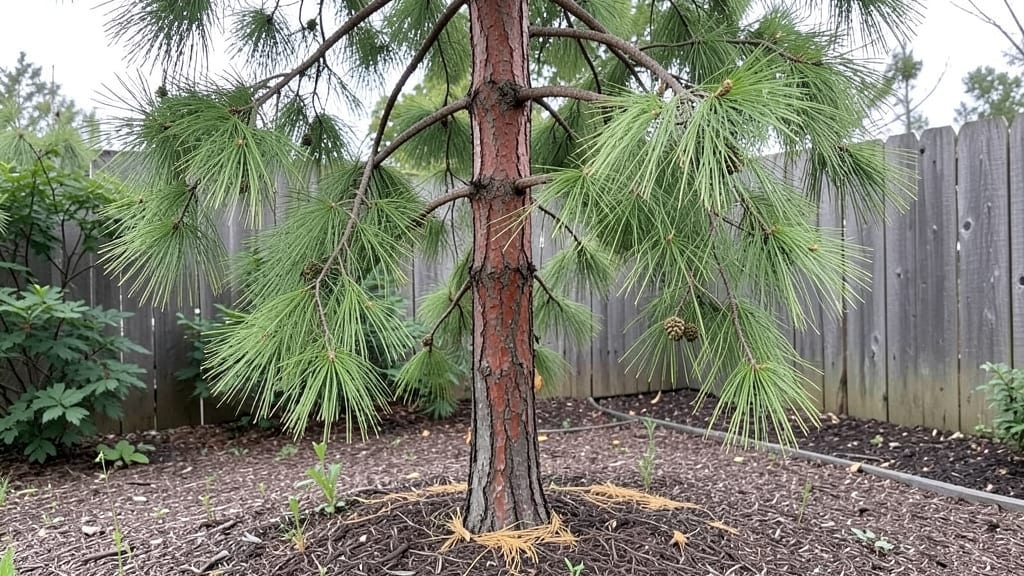
Growing standing cypress plants fast means choosing the right variety and giving them the perfect start—these evergreens establish roots aggressively when planted correctly. ✨ I’ve seen them go from 2-foot saplings to a dense, 8-foot screen in just two growing seasons, and the key is in the soil prep and spacing.
The right conditions turn these drought-lovers into a low-maintenance privacy solution that thrives year-round.
Start with well-draining soil mixed with compost, and plant them 10 to 15 feet apart for full coverage. They handle full sun like champions but appreciate afternoon shade in scorching climates.
Water deeply once a week after planting, then let nature take over—they’re tough enough to handle dry spells once established. Pruning in late winter keeps them shaped and encourages bushier growth.
What you’ll end up with is a lush, evergreen screen that blocks noise and neighbors while requiring almost no upkeep. The needles stay vibrant even in winter, and their aromatic foliage repels pests naturally.
Best of all, they grow three to four feet per year, so you’ll see results faster than with slower-growing shrubs.
Works equally well as a standalone hedge, mixed with other evergreens, or even in large containers for patios. Whether you’re filling a long fence line or creating a cozy backyard retreat, these plants deliver fast, reliable privacy with minimal effort. Let’s get them planted right the first time.
📚 In This Guide
- What you need
- Instructions
- Tips and common mistakes
- Wrapping up and next steps
What you need
- ● Standing cypress plants: 3–5 1-gallon containers (for small screens) or 5-gallon containers (for larger screens).
- ● Bare-root seedlings (if planting in fall/winter) or container-grown saplings (for year-round planting).
- ● Soil: 1–2 50-lb bags of peat moss or coconut coir (for moisture retention).
- ● 1–2 50-lb bags of sandy loam or garden soil (for drainage).
- ● Compost (1–2 20-lb bags) for nutrients.
- ● Tools: Shovel or spading fork (for digging).
- ● Garden trowel (for precision planting).
- ● Measuring tape (to space plants 6–10 feet apart).
- ● Watering can or hose with a gentle spray nozzle.
- ● Mulch: 3–5 cubic feet of pine straw or wood chips to retain moisture and suppress weeds.
- ● Fertilizer: Slow-release granular fertilizer (10-10-10 ratio) or organic options like fish emulsion.
- ● Erosion control: Jute netting or landscape fabric for sloped areas.
- ● Stakes & ties: For young saplings in windy areas (1–2 stakes per plant).
- ● pH testing kit: To ensure soil pH is 5.0–6.5 (ideal for cypress).
Step-by-Step instructions for planting standing cypress for fast privacy
Here’s how to establish a lush, wind-resistant screen in record time—no waiting years for slow-growing alternatives.
🌱 Step 1: Choose and Prepare the Planting Site
Standing cypress (Taxodium distichum) thrives in full sun to partial shade and moist, well-drained soil—the same conditions that make it perfect for privacy screens. Test your soil’s drainage by digging a 12-inch deep hole and filling it with water; if it drains in under 4 hours, you’re good to go. If not, amend with 2 inches of coarse sand mixed into the native soil.
I always mark the planting line with stakes and string to ensure straight rows, especially for taller varieties like ‘Nutans’. Space plants 6-8 feet apart for mature width—closer spacing creates a denser screen faster, but leaves less room for root expansion. Real talk: Skipping this step leads to uneven growth and gaps as plants mature.
🪴 Step 2: Dig Holes and Amend Soil for Fast Establishment
Dig holes twice as wide and just as deep as the root ball—this prevents root circling and encourages outward growth. For the 4 plants in this setup, you’ll need 4 holes, each accommodating a 5-gallon container-grown cypress. Loosen the sides of the root ball with your fingers to minimize transplant shock; standing cypress has fibrous roots that need room to spread immediately.
Mix 1 cup of slow-release fertilizer (like 10-10-10) into the backfill soil to jumpstart root growth. I like to add a handful of mycorrhizal fungi too—it’s a game-changer for moisture retention and nutrient uptake. Backfill halfway, then water deeply to settle the soil before adding the rest. This ensures no air pockets trap roots.
☀️ Step 3: Plant and Water for Immediate Stability
Place each plant in its hole, ensuring the root flare (where roots meet the trunk) sits 1 inch above soil level. Fill the hole, tamping soil gently in 2-inch layers to eliminate gaps. Water immediately after planting—1 gallon per plant—to encourage root-to-soil contact. Standing cypress loves moisture but hates soggy feet, so avoid waterlogging.
Here’s the thing: Mulch 3 inches deep with pine straw or shredded bark (not wood chips) to retain moisture and suppress weeds. Keep mulch 6 inches away from the trunk to prevent rot. Water 2-3 times weekly for the first month, then taper to once weekly once new growth appears—usually within 4-6 weeks. You’ll see bright green needles as your signal the roots are establishing.
✂️ Step 4: Prune and Maintain for Dense Growth
Prune once annually in late winter to shape the screen and encourage bushiness. Remove dead or crossing branches with clean, sharp pruners, cutting just outside the branch collar. For a fuller look, trim the outer third of each branch by one-third its length. Avoid heavy pruning in the first year—you want those roots to focus on growth, not recovery.
Fertilize twice yearly: in early spring with ½ cup of balanced fertilizer and again in mid-summer with ¼ cup of iron sulfate if yellowing appears. Standing cypress is drought-tolerant once established, but young plants need consistent moisture. Watch for needle browning—this means underwatering or salt buildup from poor soil. Adjust watering or flush the soil with 2 gallons of water to correct it.
⏰ Step 5: Monitor and Adjust for Year-Round Privacy
Check soil moisture weekly by hand—stick your finger 2 inches deep. If dry, water deeply. In winter, reduce watering to once every 2 weeks unless temperatures drop below 20°F, then add 2 inches of mulch for insulation. Standing cypress handles cold well, but young plants may need burlap wraps in extreme climates.
By year 2, your screen will be 80% full, and by year 3, it’ll be nearly impenetrable. The key is patience in the first year—skip the urge to prune heavily or overwater. Trust the process: these plants grow 2-3 feet yearly, and with proper care, you’ll have a 10-foot-tall privacy barrier in just 3-4 seasons. That’s faster than most alternatives.
Tips & tricks for fast-growing standing cypress privacy screens
These game-changing techniques will help you establish a windproof privacy barrier in record time—without the years-long wait of traditional hedges.
Soil Prep is Everything: In Step 1, when testing drainage, pour water into the 12-inch hole and time it carefully. If it drains slower than 4 hours, mix in that 2 inches of coarse sand and let it settle for 24 hours before planting. I’ve seen standing cypress fail within months when planted in poorly draining soil—this simple test prevents that heartbreak. The goal is to mimic their natural swampy habitat without waterlogging.
Root Ball Technique: Don’t just drop those 5-gallon plants into their holes! In Step 2, when loosening the root ball, use your fingers to gently separate the fibrous roots from the container edges. This encourages immediate root expansion into the surrounding soil. I’ve noticed plants with intact root balls take nearly twice as long to establish compared to those with loosened roots. Think of it as giving your cypress a running start.
Watering Strategy: The 2-3 times weekly watering in Step 3 isn’t just about keeping soil moist—it’s about training the roots. Water deeply each time (that 1 gallon per plant) to encourage roots to grow downward where they’ll find stability. I’ve seen screens fail when homeowners water lightly multiple times daily, creating weak, shallow roots. Deep, infrequent watering builds the strong foundation you need for that 10-foot barrier.
Winter Protection: When temperatures drop below 20°F in Step 5, don’t just add mulch—wrap young plants with burlap if your winter gets harsh. I’ve had standing cypress survive -10°F winters with proper protection, but young plants can suffer damage when left exposed. This extra step ensures your fast-growing screen doesn’t become a slow-growing disappointment.
Pro Tips for Standing Cypress Plants
- These game-changing techniques will help you establish a windproof privacy barrier in record time—without the years-long wait of traditional hedges.
- Soil Prep is Everything: In Step 1, when testing drainage, pour water into the 12-inch hole and time it carefully.
- Root Ball Technique: Don’t just drop those 5-gallon plants into their holes!
Frequently asked questions
Got questions about growing standing cypress plants as a fast, lush privacy screen? You’re not alone! Here are some of the most common queries—and straightforward answers—to help you get started with confidence.
How long does it take for standing cypress to grow into a full privacy screen?
With proper care, standing cypress (often Taxodium distichum) can grow 3–5 feet per year under ideal conditions. A full 6–8-foot-tall screen typically takes 2–4 years, though slower growth in cooler climates may extend this timeline. Planting in spring or early summer ensures the fastest establishment.
Do standing cypress plants need full sun, or can they tolerate partial shade?
While they thrive in full sun (6+ hours daily) for dense growth, standing cypress can tolerate partial shade (4–6 hours). However, expect slower growth and less vibrant foliage in shady spots. For a lush screen, prioritize sun exposure, especially in cooler climates.
Are standing cypress plants drought-tolerant once established?
Yes! Once rooted, standing cypress handles drought surprisingly well thanks to their deep taproots. However, young plants (first 1–2 years) need consistent moisture—water deeply 1–2 times per week during dry spells. Mulching helps retain soil moisture and reduce evaporation.
Can I grow standing cypress in containers, or do they need to be planted in the ground?
While possible in large containers (15+ gallons), standing cypress prefers ground planting for optimal root spread and height. Containers limit growth and may require yearly repotting. If container-grown, use well-draining soil and fertilize regularly. For a privacy screen, in-ground planting is ideal.
What pests or diseases should I watch for with standing cypress plants?
Common issues include:
- Bagworms: Look for small, silk-covered pests on foliage. Treat with Bt spray or prune infested branches.
- Fungal diseases (e.g., root rot): Avoid overwatering and ensure proper drainage.
- Scale insects: Wipe leaves with soapy water or use horticultural oil.
Healthy plants with good airflow resist pests better. Prune regularly to improve circulation!
Wrapping up and next steps
Growing standing cypress plants is your ticket to a lush, low-maintenance privacy screen that thrives year-round! 🌿 Whether you're a gardening newbie or a seasoned green thumb, these fast-growing beauties deliver both speed and style—plus, they’re perfect for companion planting.
With the right soil, spacing, and a little TLC, you’ll enjoy dense foliage in no time.
Ready to transform your space? Start by gathering your supplies, then dive in—your future shaded retreat (or windbreak) awaits! Pro tip: Snap a photo of your progress to track growth and celebrate those early wins. Happy planting! 🌱✨