Size
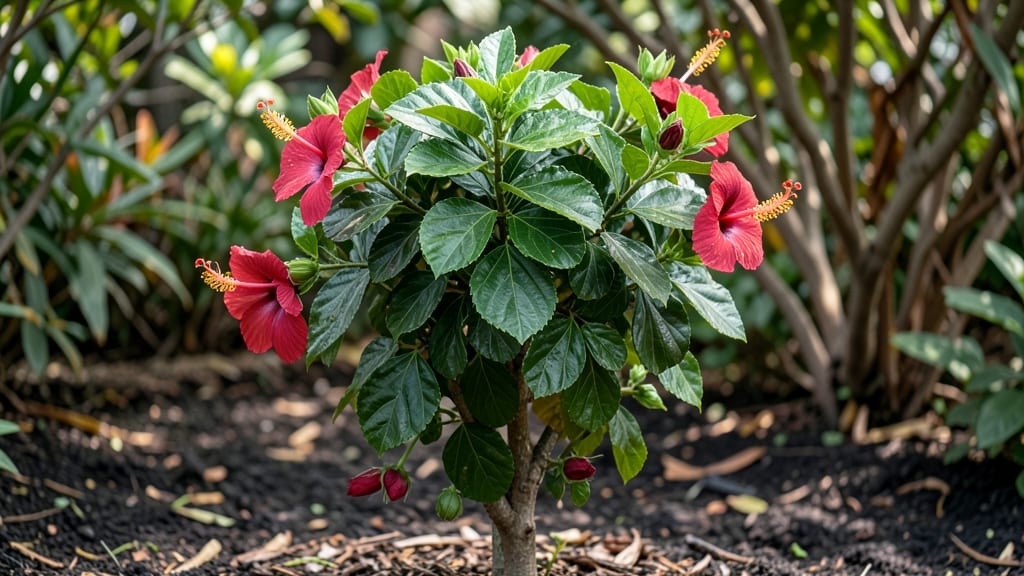
Growing a tall hibiscus plant that reaches for the sky isn’t just possible—it’s easier than you’d think, and the payoff is worth every inch.
I’ve watched mine climb from a 2-foot sapling to a 10-foot tropical sentinel in just two seasons, and the secret lies in sunlight, soil, and a little strategic pruning. The key isn’t brute force; it’s understanding how these dramatic plants naturally stretch toward light, then guiding them with confidence.
The right setup makes all the difference: well-draining soil mixed with compost, 6+ hours of direct sun daily, and a sturdy support structure (think bamboo stakes or a trellis) to prevent flopping.
Varieties like Hibiscus rosa-sinensis or Hibiscus syriacus are your best bets for height, but even indoors, a south-facing window with a grow light can coax vertical growth. Water deeply but let the top inch dry between soakings—overwatering is the fastest way to stunt their ambitions.
By summer’s end, you’ll have a showstopper with glossy leaves and blooms the size of dinner plates. The flowers aren’t just pretty—they’re magnets for hummingbirds, and the plant’s lush foliage adds tropical drama to any space.
Prune strategically in late winter to shape growth, and you’ll keep it climbing without sacrificing blooms. This isn’t just a plant; it’s a statement piece that grows with you.
Here’s the best part: tall hibiscus thrives in both pots and gardens, so whether you’ve got a balcony or a backyard, you can create your own vertical masterpiece. The only real mistake is waiting—these plants grow fastest when young, so start early.
With the right care, you’ll have a living skyscraper that turns heads and fills your space with color year after year.
📚 In This Guide
- What you need
- Instructions
- Tips and common mistakes
- Wrapping up and next steps
What you need
- ● Tall hibiscus plant (varieties like Hibiscus rosa-sinensis or Hibiscus syriacus—choose a dwarf or standard type for height potential).
- ● Well-draining potting mix (5-10 gallons, depending on pot size) – avoid heavy clay soil!
- ● Large container or garden bed (minimum 12–18 inches deep and 18+ inches wide for mature plants).
- ● Balanced fertilizer (10-10-10 or 20-20-20, 2–3 tbsp per plant every 4–6 weeks during growing season).
- ○ Slow-release granules (optional but helpful for steady nutrition).
- ● Pruning shears (sharp, clean, and sterilized with rubbing alcohol).
- ● Support stake or trellis (6–10 feet tall, bamboo or metal for durability).
- ● Mulch (2–3 inches of organic mulch like pine bark or straw to retain moisture).
- ● Watering can or hose with a gentle spray nozzle (hibiscus hates soggy roots!).
- ● Sunlight access (full sun, 6+ hours daily—partial shade in extreme heat).
- ● pH test kit (ideal range: 6.1–6.5—hibiscus loves slightly acidic soil!).
- ● Epsom salt (1 tbsp per gallon of water monthly for magnesium boost).
- ● Copper fungicide (prevents leaf spot—spray preventatively in humid climates).
- ● Garden gloves (protect your hands from thorns and soil).
- ● String or twist ties (to secure hibiscus to stakes as it grows).
- ● Grow lights (if indoors, 12–14 hours of light daily).
How to grow a towering hibiscus plant that stays lush year-round
Here's the straightforward approach I use to coax hibiscus plants to reach their full dramatic height while keeping them healthy through every season.
Choose the Right Variety and Planting Location
Start with a hardy tropical hibiscus variety like 'Dwarf Red' or 'Pink Giant'—they're bred to handle both heat and cooler temperatures better than tropical types. These plants thrive in full sun for at least 6-8 hours daily, but in hot climates, afternoon shade prevents leaf scorch. I always plant mine near a south-facing wall where they get morning sun and afternoon shelter.
The key is finding that sweet spot: too little light stunts growth, but too much direct afternoon sun can stress the plant. Watch for leaves curling or turning yellow—this is your signal to adjust shading. For container growing, position your pot where it gets morning sun and moves to partial shade by midday.
Prepare Soil and Plant with Proper Spacing
Hibiscus roots need well-draining, slightly acidic soil with a pH between 6.0 and 6.5. Mix 3 gallons of potting mix with 1 gallon of perlite to create airy, fast-draining soil. If planting in ground, amend native soil with 2 gallons of compost and 1/2 cup of bone meal for phosphorus—this encourages strong root and flower development.
Dig a hole twice as wide as the root ball but only as deep as the container it came in. Hibiscus hate having their crowns buried too deep, which causes rot. Space multiple plants 6-8 feet apart—they grow wide as they grow tall, and crowding leads to weak stems that snap in storms. Water deeply after planting to settle the soil around roots.
Water Deeply and Consistently Without Overdoing It
Hibiscus roots run deep, so water deeply 2-3 times per week until top 6 inches of soil feel dry. The goal is to encourage roots to grow downward rather than staying shallow. I water in the early morning to let foliage dry before evening—this prevents fungal diseases that love damp leaves overnight.
You'll know you're watering right when the soil feels moist but not soggy down to 8 inches deep. Let the top inch dry between waterings to prevent root rot. Mulch with 2 inches of shredded bark around the base (but keep it 6 inches away from the stem) to retain moisture and regulate soil temperature.
Feed and Prune for Maximum Height and Blooms
Start fertilizing 2 weeks after planting with a balanced 10-10-10 fertilizer applied every 4 weeks during growing season. Hibiscus are heavy feeders, but too much nitrogen makes them grow leaves instead of flowers. Switch to a low-nitrogen, high-phosphorus (5-10-10) formula when buds form to encourage more blooms.
Prune in late winter or early spring before new growth begins. Cut back 1/3 of the plant's height to encourage bushier growth and stronger stems. Remove any dead, diseased, or crossing branches—this improves airflow and reduces pest problems. You'll see new shoots emerge within 2-3 weeks of pruning, signaling the plant is recovering well.
Protect and Maintain Through Seasonal Changes
In cooler climates, hibiscus need winter protection. Wrap the trunk and branches with burlap and cover the plant with frost cloth when temperatures drop below 40°F. Bring container-grown plants indoors near a south-facing window or under grow lights for 12-14 hours daily. Reduce watering to once every 2 weeks during dormancy.
Watch for aphids or spider mites—they love hibiscus leaves. Spray infested areas with neem oil or insecticidal soap at the first sign of webbing or sticky residue. Deadhead spent blooms weekly to encourage continuous flowering. With proper care, your hibiscus will reward you with 8-10 foot heights and year-round blooms if you keep up with these simple steps.
Tips & tricks for growing towering hibiscus plants
Growing a hibiscus that reaches its full dramatic height isn't just about luck—it's about understanding the subtle details that make all the difference. These trusted tips will help you avoid common pitfalls and give your hibiscus the best chance to thrive.
Lighting Strategy for Maximum Height: In Step 1, when positioning your hibiscus for that crucial 6-8 hours of sunlight, pay special attention to the quality of light. While full sun is essential, hibiscus in hot climates actually benefit from afternoon shade to prevent leaf scorch. I've found that positioning plants near a south-facing wall—where they get morning sun and afternoon shelter—creates the perfect balance for steady, upward growth without stress. If you notice leaves curling or turning yellow, it's your cue to adjust shading immediately.
Soil Preparation Secret: The soil mix in Step 2 is where you set the foundation for towering growth. When mixing your 3 gallons of potting mix with 1 gallon of perlite, don't just eyeball it—measure precisely. The perlite creates those essential air pockets that hibiscus roots crave. For in-ground planting, that 1/2 cup of bone meal is particularly important—it provides the phosphorus that fuels both root development and flower production. I've seen plants grow an extra foot taller when given this phosphorus boost during their first growing season.
Watering Technique That Prevents Weak Stems: The 2-3 times per week watering schedule in Step 3 might seem straightforward, but the devil's in the details. When checking soil moisture, stick your finger down to 8 inches—this is where the roots are actively growing. The key is to water deeply enough that moisture reaches this depth, but not so much that the soil becomes soggy. I've learned this the hard way after watching plants develop weak stems from inconsistent watering patterns that led to root rot.
Pruning Timing That Encourages Height: The late winter/early spring pruning in Step 4 is your chance to shape your hibiscus for maximum height. When you cut back 1/3 of the plant's height, you're not just tidying up—you're stimulating new growth from the base. This is when your plant will put its energy into developing stronger, taller stems. I always prune just before new growth begins, and within those 2-3 weeks, I can see the plant responding with vigorous new shoots that will form the framework for next year's height.
Pro Tips for Tall Hibiscus Plant
- Growing a hibiscus that reaches its full dramatic height isn't just about luck—it's about understanding the subtle de...
- Lighting Strategy for Maximum Height: In Step 1, when positioning your hibiscus for that crucial 6-8 hours of sunligh...
- Soil Preparation Secret: The soil mix in Step 2 is where you set the foundation for towering growth. When mixing your...
Frequently asked questions
How fast do tall hibiscus plants grow, and how big can they get?
Tall hibiscus varieties, like Hibiscus rosa-sinensis or Hibiscus syriacus, can grow 3–12 feet tall depending on the species. With ideal conditions (full sun, rich soil, and regular watering), they may add 1–2 feet per year. Dwarf varieties stay compact, while tropical types can tower if pruned minimally. Patience is key—these beauties thrive with time!
When is the best time to plant or transplant a tall hibiscus?
The ideal window is early spring after the last frost or late summer (6–8 weeks before your first frost). Avoid transplanting in extreme heat or cold, as roots need time to establish. For container-grown hibiscus, you can plant year-round in warm climates—just keep them hydrated during transitions. Pro tip: Water deeply before and after transplanting to reduce shock!
Do tall hibiscus plants need full sun, or can they tolerate shade?
While they love full sun (6+ hours daily), tall hibiscus can tolerate partial shade (3–6 hours of sun), especially in hot climates. Too little light? Expect fewer blooms and leggy growth. In shady spots, prioritize moist, well-draining soil and fertilize lightly to compensate. Avoid deep shade—it’ll stunt their dramatic growth!
How do I prune a tall hibiscus to encourage height and blooms?
Prune in late winter or early spring to shape your plant and promote vertical growth. Cut back 1/3 of the oldest stems to the ground, and trim leggy branches to encourage bushier, taller growth. Avoid heavy pruning in fall—it can delay spring blooms. Deadhead spent flowers regularly to redirect energy upward!
What pests or diseases should I watch for in tall hibiscus plants?
Keep an eye out for aphids, spider mites, and whiteflies (they love hibiscus!). Treat early with neem oil or insecticidal soap. Root rot and powdery mildew are common if soil stays soggy—ensure well-draining soil and space plants for airflow. Yellow leaves? Could be nutrient deficiency or overwatering. Act fast to keep your hibiscus thriving!
Can I grow tall hibiscus in containers, or do they need a garden bed?
Dwarf or tropical varieties thrive in large containers (15+ gallons) with drainage holes. Use a lightweight potting mix and fertilize monthly during growing season. Rotate pots occasionally for even sun exposure. Just ensure your container stays stable in wind—tall hibiscus can top-heavy!
Wrapping up and next steps
Growing a tall hibiscus plant is all about patience, the right care, and a dash of creativity! With the perfect mix of sunlight, well-draining soil, and occasional pruning, you’ll soon have a stunning vertical statement piece that blooms year-round.
Don’t let challenges like pests or winter chill discourage you—every gardener starts somewhere, and your hibiscus will thank you for the effort with vibrant, dramatic flowers.
Ready to turn your garden into a tropical paradise? Start small: Pick one section of your yard, gather your supplies, and dive in! Whether you’re a beginner or a seasoned pro, your tall hibiscus will reward you with breathtaking beauty—so roll up your sleeves and let the growing begin! 🌿✨