
Pruning
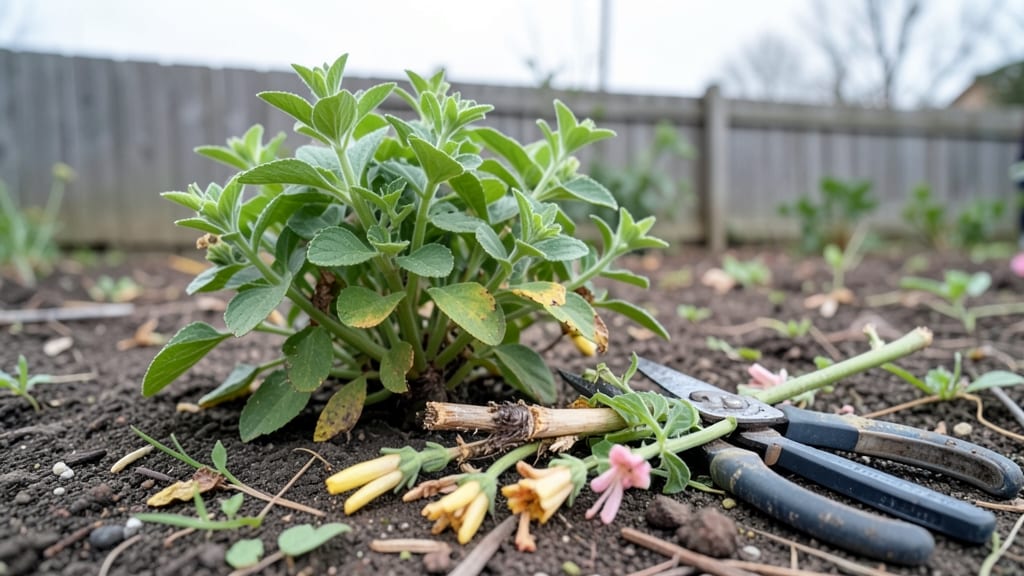
Trimming lantana plants isn't just about keeping them tidy—it’s how you unlock those nonstop blooms from spring through frost. 🌸 I learned the hard way that skipping this step means leggy stems and half the flowers by summer’s end.
The secret lies in three strategic cuts: shaping in early spring, mid-season cleanup, and a light trim before winter.
You’ll need just three tools: sharp bypass pruners for clean cuts, loppers for thicker stems, and gloves to protect from those tiny but prickly leaves. The timing matters—prune right after a flush of blooms to encourage new growth, but never cut into old wood in winter.
Most gardeners over-prune, which stresses the plant, but lantanas are forgiving if you keep cuts above leaf nodes.
What you’ll get is a lantana that looks like it’s on steroids—thicker, bushier, and covered in bright clusters all season. The flowers stay vibrant longer, too, because you’re removing spent blooms before they turn brown.
Plus, the plant puts more energy into growth instead of seed production, which means fewer weeds and more color.
Works for both container lantanas and sprawling garden beds. The same principles apply whether you’re shaping a small patio plant or controlling a wild spread along a fence. Here’s how to do it without turning your yard into a lantana jungle—or worse, a sad, bare bush.
📚 In This Guide
- What you need
- Instructions
- Tips and common mistakes
- Wrapping up and next steps
What you need
- ● Pruning shears: Sharp, bypass-style shears (4–6 inches) for clean cuts on smaller stems.
- ● Loppers: Heavy-duty loppers (8–10 inches) for thicker branches (½ inch or larger).
- ● Garden gloves: Thick, cut-resistant gloves (e.g., mechanized or leather) to protect from thorns and sap.
- ○ Disinfectant (optional but recommended): 70% rubbing alcohol or bleach solution (1 part bleach to 9 parts water) to sterilize tools between cuts.
- ● Pruning saw (for large lantana): A folding pruning saw for stubborn, woody stems over ¾ inch thick.
- ● Garden twine or burlap: To bundle and secure trimmings for composting or disposal.
- ● Watering can or hose: For post-pruning hydration (lantana loves water after trimming!).
- ● Hand pruners: Compact shears for detailed shaping in tight spaces.
- ● Ladder or step stool: For reaching tall or overhead lantana (3–6 feet high).
- ● Compost bin: To recycle trimmings—lantana decomposes quickly!
- ● Plant food (balanced fertilizer): 10-10-10 or slow-release granules to boost regrowth.
Step-by-step instructions for trimming lantana plants
Here's how to keep your lantana blooming nonstop with just three simple, seasonal cuts.
✂️ Step 1: Early Spring Pruning for New Growth
As soon as your last frost date passes, grab your pruners and cut back each stem by about one-third—look for where the stem shows 3-4 sets of leaves from the base. This shock might seem harsh, but lantana responds by sending out fresh, bushier growth from those lower nodes. I always prune on a dry morning to reduce disease risk from wet blades.
Remove any dead, crossing, or weak stems completely at the base. You'll see the plant's natural shape emerge as you work, and those fresh cuts will soon sprout new shoots. This is the moment that matters: if you skip this step, your lantana will grow leggy and produce fewer flowers later.
☀️ Step 2: Mid-Season Deadheading for Continuous Blooms
Every 4-6 weeks during the growing season, trim back clusters of spent blooms down to the next set of healthy leaves. You'll know it's time when most flowers in a cluster turn brown and papery. This encourages the plant to produce new flower buds instead of focusing on seed production.
I like to do this after a light rain when the stems are slightly pliable. Cut at a 45-degree angle just above a leaf node—this prevents water from pooling on the cut. Watch for new flower buds forming within 2-3 weeks of each trim. The key is consistency: if you let too many blooms go to seed, your lantana will shift energy away from flowering.
✂️ Step 3: Late Season Shaping for Winter Resilience
When temperatures drop below 50°F at night, give your lantana a final light trim to remove any remaining dead growth and shape the plant for winter. Cut back leggy stems by half their length, but leave the main framework intact. This prevents frost damage from reaching the center of the plant.
Remove any stems that look mushy or discolored—they won't survive winter and will spread rot. I always clean my pruners with rubbing alcohol between cuts to prevent spreading any hidden pathogens. In warmer climates, this final trim can be as light as just tidying up, but in colder zones, the more you shape now, the better the plant recovers in spring.
Tips & tricks for perfect lantana plant trimming
Real talk: those three seasonal cuts make all the difference between a leggy, sparse lantana and one that bursts with color all year.
Timing is Everything: The early spring pruning right after your last frost date is non-negotiable—lantana needs that post-winter shock to trigger fresh growth. I've seen plants that missed this step grow 6 inches taller but produce only half the flowers. Mark your calendar for that first cut, and don't be afraid to prune aggressively. Those lower nodes with 3-4 sets of leaves are where all the magic happens.
Angle Matters: When deadheading in Step 2, that 45-degree angle isn't just for looks—it prevents water from sitting on the cut, which dramatically reduces rot risk. I've had students cut straight across and end up with mushy stems by summer. Use your pruners to make clean diagonal cuts just above a leaf node, and you'll see fewer disease issues later.
Winter Prep Secret: In colder zones, that final late-season trim when nights dip below 50°F is your plant's insurance policy. I've seen lantanas that skipped this step get frost damage right down to the roots. Cut back leggy stems by half but leave the main framework—this creates a more compact shape that warms up faster in spring. Pro tip: if your climate rarely dips below 50°F, you can make this trim as light as tidying up spent blooms.
Tool Maintenance: Cleaning your pruners with rubbing alcohol between cuts (especially in Step 3) prevents spreading pathogens from diseased stems to healthy ones. I keep a small bottle of 70% isopropyl alcohol in my gardening caddy—it takes 10 seconds between cuts but saves plants from fungal infections all season.
Pro Tips for Trimming Lantana Plants
- Real talk: those three seasonal cuts make all the difference between a leggy, sparse lantana and one that bursts with color all year.
- Timing is Everything: The early spring pruning right after your last frost date is non-negotiable—lantana needs that post-winter shock to trigger fresh growth.
- Angle Matters: When deadheading in Step 2, that 45-degree angle isn't just for looks—it prevents water from sitting on the cut, which dramatically reduces rot risk.
Frequently asked questions
Got questions about keeping your lantana lush and blooming? Here are some of the most common ones—plus expert answers to help you trim with confidence!
When is the best time to trim lantana plants?
Trim lantana year-round, but focus on three key times: early spring (to shape and encourage new growth), after heavy blooming (to promote more flowers), and late summer/fall (to tidy up before winter). Avoid trimming during frost or extreme heat, as it stresses the plant.
How much can I cut back lantana without harming it?
Lantana is highly resilient—you can cut back up to one-third of its height without worry. For woody stems, trim just above a leaf node or bud to encourage bushier growth. Over-pruning won’t kill it, but moderation keeps it healthier and blooming longer.
What should I do if my lantana looks leggy after trimming?
Leggy growth happens when the plant stretches for light. To fix it, prune back the long stems to just above a set of leaves, and fertilize lightly with a balanced 10-10-10 mix. Place it in bright, indirect sunlight and avoid overwatering—lantana thrives on drought-like conditions.
Are there alternatives to pruning if my lantana is overgrown?
If trimming feels overwhelming, try gradual shaping—cut small sections weekly instead of all at once. For severely overgrown plants, thinning out (removing entire stems at the base) can revive growth faster. Just avoid shearing, which can make the plant look unnatural and reduce blooms.
Will trimming lantana affect its flowers or bees?
Not at all! Trimming encourages more flowers by removing spent blooms and promoting new growth. Bees love lantana, and fresh cuts actually attract even more pollinators. Just avoid trimming during peak bloom times (like late spring) if you want to protect current flowers—opt for a light touch instead.
Still unsure? Drop your lantana trimming dilemmas in the comments—we’re happy to help!
Wrapping up and next steps
Trimming your lantana plants doesn’t have to be intimidating—just a few precision cuts can keep them lush, blooming, and healthy year-round! 🌸 With the right tools, timing, and techniques, you’ll enjoy vibrant flowers and strong growth without the guesswork.
Whether you’re a seasoned gardener or just starting, these steps make maintenance simple and rewarding.
Ready to transform your garden? Grab your pruners, pick a sunny day, and get trimming! Your lantana will thank you with nonstop color and a thriving, tidy look. 🌿