
Plants
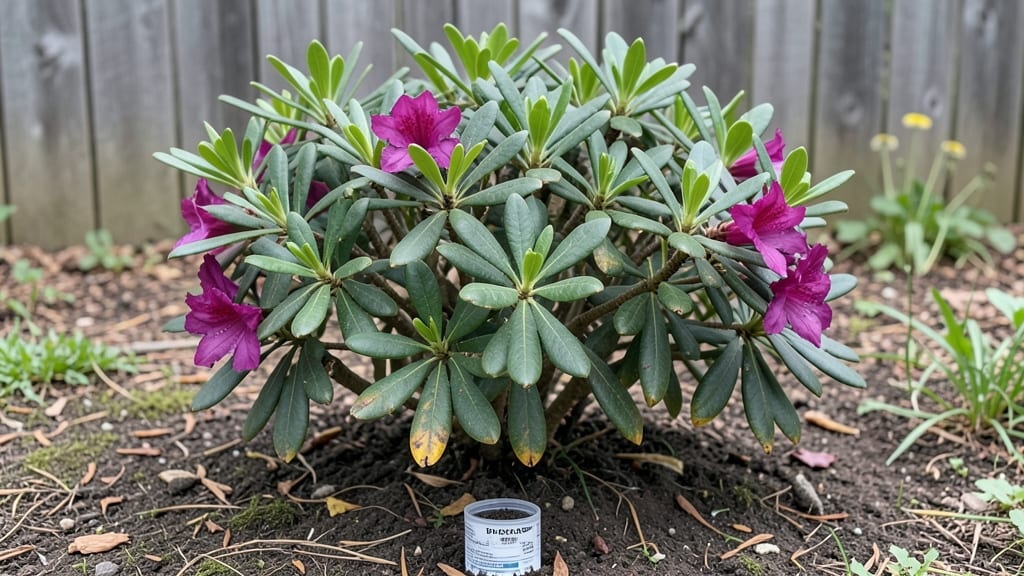
The perfect acidic plant soil recipe starts with understanding what your acid-loving plants truly need to thrive. 🌿 For years, I struggled with my blueberries turning yellow and azaleas refusing to bloom—until I learned the science behind soil pH. The right balance isn’t just about adding random amendments; it’s about creating an environment where roots can access the nutrients they crave.
Most gardeners overlook the fact that even a small pH shift can mean the difference between vibrant growth and stunted plants. Testing your soil first is non-negotiable—home kits cost less than $20 and take 10 minutes.
Once you know your starting point, you’ll need organic matter like peat moss or pine needles to lower pH naturally, plus a slow-release sulfur source for long-term adjustments. My soil now stays consistently between 4.5 and 5.5, exactly what blueberries and hydrangeas demand.
What you’ll end up with is a rich, dark growing medium that smells fresh and crumbly—not sour or chemical. Your acid-loving plants will reward you with deeper green foliage, more abundant blooms, and berries that actually ripen.
The key is patience: it takes about 3-4 months to see dramatic changes, but once you hit that sweet spot, maintenance becomes simple with annual top-dressing.
This recipe works equally well for container gardens, raised beds, or in-ground plantings—just scale the amendments to your space. Whether you’re fixing an existing garden or starting fresh, the principles remain the same. Let’s get your soil exactly where it needs to be for those showstopping plants.
The Root Causes Of Soil Acidity
Soil acidity isn’t just a random quirk of nature—it’s the result of specific chemical processes and environmental factors. Understanding why your soil becomes too acidic (typically below pH 6.5) helps you take targeted action to restore balance.
Below, we break down the most common culprits, explained in clear, science-backed terms.
Pure water is neutral (pH 7), but rainwater often picks up carbon dioxide (CO₂) from the atmosphere, forming weak carbonic acid (H₂CO₃).
When this acidic rain soaks into the soil, it slowly dissolves minerals like calcium and magnesium, leaving behind excess hydrogen ions (H⁺) that lower pH. In regions with high rainfall or acidic water sources (e.g., peat bogs or areas with limestone-free bedrock), this effect is amplified.
Key players:
- CO₂ absorption: More CO₂ in the air (from urban areas or industrial zones) increases acidity in rain.
- Leaching: Frequent heavy rains wash away alkaline minerals faster than they replenish.
- Sulfur and nitrogen oxides: Pollution from factories or vehicle emissions can turn into sulfuric and nitric acids in rain, further acidifying soil.
💡 Pro Tip: If you live in a rainy climate, test your water’s pH first—if it’s already acidic (<6.0), your soil will acidify faster without intervention.
When plants and organic materials (like leaves, grass clippings, or compost) break down, they release organic acids—humic and fulvic acids—which temporarily lower soil pH. While this is natural, too much organic matter (especially undecayed or nitrogen-rich materials like coffee grounds or pine needles) can tip the scale.
Additionally, certain plants (e.g., blueberries, azaleas, or rhododendrons) excrete organic acids as they grow, further acidifying the soil around their roots.
Key players:
- High-carbon materials: Pine bark, oak leaves, or sawdust release tannins and lignin, which are acidic byproducts.
- Nitrogen-rich amendments: Fresh manure or synthetic fertilizers with high ammonium (NH₄⁺) content can acidify soil as microbes break them down.
- Root exudates: Acid-loving plants actively secrete protons (H⁺) to solubilize nutrients like phosphorus, making their rhizosphere (root zone) more acidic.
🌡️ Warning: Over-amending with acidic compost or mulch can create a "feedback loop"—more acidity encourages more acid-loving microbes, which then produce even more organic acids.
Most synthetic fertilizers are designed for neutral to slightly alkaline soils (pH 6.0–7.0), but their ingredients can acidify soil over time. Ammonium-based fertilizers (like urea or ammonium sulfate) are the biggest offenders because they release H⁺ ions as plants uptake nitrogen.
Even "slow-release" fertilizers contribute to acidity if used excessively. Additionally, phosphorus fertilizers often contain sulfur, which oxidizes into sulfuric acid in the soil.
Key players:
- Ammonium (NH₄⁺): For every 10 pounds of nitrogen applied as ammonium, soil pH can drop by 0.1–0.3 units.
- Sulfur (S): Found in superphosphate fertilizers, it oxidizes to form sulfuric acid (H₂SO₄).
- Chloride (Cl⁻): Some fertilizers (like potassium chloride) can displace calcium and magnesium, reducing soil buffering capacity.
📊 Data Point: A study by the University of Massachusetts found that applying 200 lbs of ammonium sulfate per acre could lower soil pH by 1.5 units in one year.
✨ Solution: Balance nitrogen with lime (calcium carbonate) or use nitrate-based fertilizers (like calcium nitrate), which don’t acidify soil.
Soil pH is heavily influenced by its parent material—the rock or sediment from which it formed. Regions with granite, sandstone, or shale (low in calcium and magnesium) naturally produce acidic soils because these rocks weather into silica (SiO₂) and aluminum (Al³⁺), which don’t neutralize acidity.
Conversely, soils derived from limestone or marble (calcium carbonate) tend to be alkaline. Over time, erosion and leaching strip away these alkaline minerals, leaving behind acidic residues.
Key players:
- Aluminum (Al³⁺): As pH drops below 5.0, aluminum becomes soluble and toxic to plants, further preventing nutrient uptake.
- Iron (Fe²⁺/Fe³⁺): Highly acidic soils release iron in forms that can clog roots or become unavailable to plants.
- Manganese (Mn²⁺): While plants need manganese, excess amounts in acidic soil can cause toxicity symptoms like yellowing leaves.
🔍 Test This: If your soil has a history of acidity, check its texture and color. Sandy or peaty soils (common in northern climates) are more prone to acidification because they lack the buffering capacity of clay or silt.
Soil microbes—especially bacteria and fungi—play a dual role in pH. While some decomposers (like Pseudomonas species) produce acids, others (like nitrifying bacteria) can raise pH by converting ammonium (NH₄⁺) to nitrate (NO₃⁻).
However, anaerobic conditions (waterlogged soil) encourage the production of volatile fatty acids and methane, which lower pH. Additionally, mycorrhizal fungi associated with acid-loving plants (e.g., ericaceous fungi in blueberries) can acidify the rhizosphere to enhance nutrient uptake.
Key players:
- Denitrifying bacteria: In low-oxygen soils, they produce nitric oxide (NO) and nitrous oxide (N₂O), both of which contribute to acidity.
- Actinobacteria: Some species release gluconic acid as they metabolize organic matter.
- Waterlogged conditions: Slow decomposition leads to buildup of partially broken-down organic acids.
👨🍳 Action Step: Improve soil aeration with compost or gypsum to encourage beneficial microbes that stabilize pH.
Fixing Soil pH for Happy Plants
Now that you know why your soil might be too acidic, let’s roll up our sleeves and get it back in balance! The good news? Adjusting soil pH is straightforward—just follow these cause-specific fixes tailored to your garden’s needs. We’ll also share prevention tips to keep your plants thriving long-term.
1. Raise pH with Lime (For Most Acidic Conditions)
If your soil’s pH is below 6.0, adding pelletized lime (calcium carbonate) is the fastest way to neutralize acidity. Lime works by:
- Raising pH gradually (over weeks to months).
- Improving soil structure and nutrient availability.
How to Apply: 🔹 Test first! Use a soil pH test kit to determine how much lime you need. A general rule:
- For every 100 sq ft of garden bed, add 5–10 lbs of lime if pH is 5.5–6.0.
- For pH below 5.5, double the amount (but split into 2 applications to avoid shocking roots).
🔹 Spread evenly over the soil surface and lightly till into the top 2–3 inches.
🔹 Water thoroughly to help lime dissolve and integrate.
⚠️ Pro Tip: Avoid lime if your plants love acidity (like blueberries, azaleas, or hydrangeas). Instead, use wood ash (see below).
2. Use Wood Ash (For Mild Acid Correction)
Wood ash is a natural pH booster (raising pH by 1–2 points) and adds potassium—a bonus for plant health. Best for:
- Slightly acidic soil (pH 5.5–6.0).
- Plants that tolerate higher pH (e.g., tomatoes, peppers, carrots).
How to Apply: 🔹 Use only untreated, untreated hardwood ash (no pressure-treated or softwood like cedar). 🔹 Apply sparingly: Start with ½ cup per 10 sq ft, then retest soil in 2–4 weeks. 🔹 Mix into the top inch of soil or sprinkle around plants (avoid direct contact with stems).
✨ Bonus: Wood ash also repels slugs—double win!
3. Add Organic Matter (Long-Term Balance)
If your soil is chronically acidic, improving its organic content helps buffer pH naturally. Try:
- Compost (neutral pH, adds nutrients).
- Well-rotted manure (cow, horse, or chicken—avoid fresh manure).
- Leaf mold (decomposed leaves, great for acid-loving plants).
How to Apply: 🔹 Spread a 1–2 inch layer over the soil and till lightly into the top 6 inches. 🔹 Reapply annually to maintain balance.
💡 Pro Tip: Coffee grounds (slightly acidic) can be mixed in for plants like blueberries, but avoid overuse—they can make soil more acidic if used excessively.
4.
Adjust Watering (For Rainfall or Overwatering Issues) If heavy rain or poor drainage is the culprit, tweak your watering habits: - Use rainwater barrels (rainwater is slightly acidic, but if you let it sit for 24 hours, it neutralizes). - Water deeply but less frequently to prevent leaching of nutrients. - Install a French drain if water pools around plants, worsening acidity.
Once you’ve fixed the pH, lock in your progress with these habits:
🌱 Test soil every 6–12 months (especially after adding amendments). 🌱 Rotate crops to avoid depleting nutrients that affect pH. 🌱 Avoid synthetic fertilizers (they can acidify soil over time).
Opt for balanced organic fertilizers. 🌱 Mulch with pine needles or oak leaves (naturally acidic mulch for acid-lovers; use straw or grass clippings for neutral pH plants). 🌱 Plant cover crops like clover or alfalfa to improve soil structure and pH naturally.
If your soil pH won’t budge after trying these fixes, consider:
- Soil testing labs (for precise recommendations).
- Gypsum (for calcium-deficient soil that needs pH adjustment without raising alkalinity too quickly).
- Professional soil amendment services (for large gardens or severe cases).
Remember: Patience is key! Soil pH changes take time—retest in 4–6 weeks after amendments to see progress. With the right tweaks, your plants will be happy, healthy, and hungry for growth! 🌿💚
Frequently asked questions
What are the best plants for acidic soil?
Acid-loving plants thrive in soil with a pH between 4.5 and 6.0. Top picks include blueberries (4.5–5.0), azaleas (5.0–5.5), hydrangeas (5.0–6.0), rhododendrons, gardenias, and potatoes. Even some vegetables like tomatoes and peppers prefer slightly acidic conditions (6.0–6.8).
How often should I test my soil pH?
Test your soil every 6–12 months if you grow acid-loving plants, or annually for general maintenance. After adding amendments like sulfur or lime, retest in 4–6 weeks to monitor changes. Seasonal fluctuations (especially after heavy rains) can also affect pH.
Can I use coffee grounds to lower soil pH?
Yes, but use them sparingly! Coffee grounds are mildly acidic and can help lower pH by 0.5–1.0 units over time. Mix ½ cup per plant into the soil or use as mulch. However, overuse can create a sour smell and attract pests. Balance with compost to avoid over-acidification.
Why does my soil stay acidic even after adding lime?
Soil with high organic matter (like peat moss) or clay holds acidity better, requiring more lime or repeated applications. If lime isn’t working, your soil may have high buffering capacity—test it again in 3–4 months or use a soil lab for precise recommendations. Patience is key!
What’s the fastest way to raise pH for vegetable gardens?
For quick results, use wood ash (½ cup per 10 sq ft) or pelletized lime (5–10 lbs per 100 sq ft). Water thoroughly after applying. Avoid synthetic fertilizers, which can acidify soil over time. Retest in 2–4 weeks for adjustments.