
Container Gardens
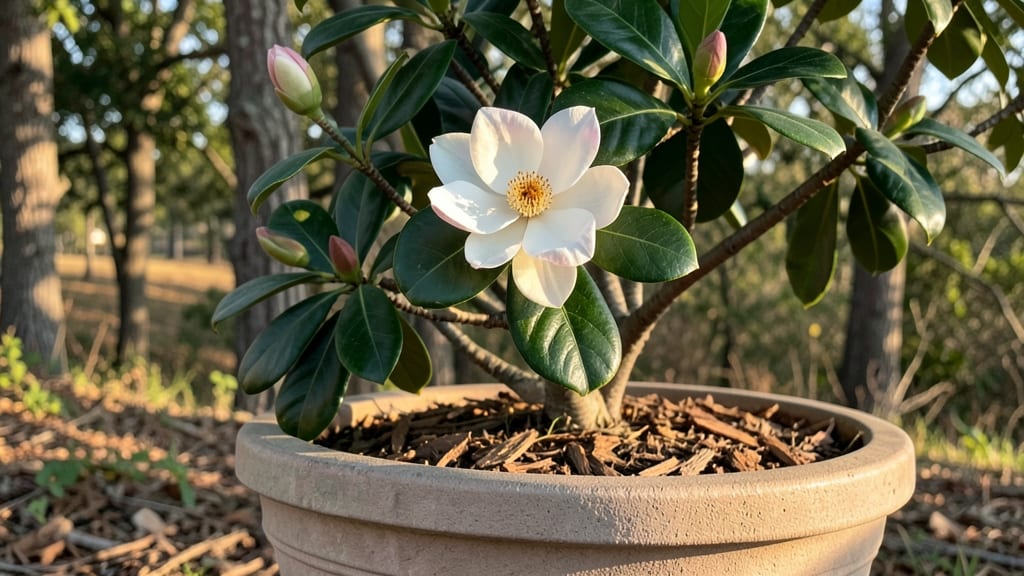
A magnolia potted plant can be your year-round centerpiece—if you nail the soil, sunlight, and watering balance. I’ve grown these stately beauties in containers for over a decade, and the secret isn’t just patience; it’s matching their tropical roots to the right care routine.
The first year is critical, but once established, they reward you with glossy leaves and fragrant blooms that outshine anything from a nursery.
Start with a 5-gallon pot (minimum) and a well-draining mix of 60% peat moss or coconut coir, 30% perlite, and 10% compost. Magnolias hate soggy roots, so add a layer of gravel at the bottom to prevent waterlogging.
Place your pot where it gets morning sun and afternoon shade—direct afternoon rays scorch the delicate foliage. Water when the top 2 inches of soil feel dry, and never let it sit in saucers of water.
Pruning isn’t just for shaping—it’s about airflow. Cut back dead branches in late winter and trim leggy growth after flowering to encourage bushier growth. With the right container and care, your magnolia will thrive for 10+ years, outgrowing its pot only to become a stunning focal point.
The key is consistency: too much water, and roots rot; too little light, and blooms fade.
Troubleshooting is simple once you know the signs. Yellow leaves? Usually overwatering. No blooms? It might need more sunlight or a winter chill period (mimic this by moving pots outdoors in fall). Pests like scale or spider mites are rare but treatable with neem oil if caught early.
With these adjustments, your potted magnolia will stay lush, fragrant, and full of life—no matter how small your space.
📚 In This Guide
- What you need
- Instructions
- Tips and common mistakes
- Wrapping up and next steps
What you need
- ● Magnolia plant: Choose a dwarf variety (e.g., Magnolia grandiflora 'Little Gem' or Magnolia stellata) for pots. Ensure it’s 3–5 years old for best results.
- ● Container: A 15–25 gallon pot with drainage holes (terracotta or ceramic preferred). Pro tip: Add a saucer for water runoff!
- ● Well-draining potting mix: 50% peat moss or coconut coir, 30% perlite, and 20% compost. Avoid garden soil—it compacts!
- ● Slow-release fertilizer: 10–10–10 NPK ratio (apply at planting and mid-season). 💡 Organic options like fish emulsion work too!
- ● Mulch: 2–3 inches of pine bark or shredded leaves to retain moisture and regulate soil temp.
- ● Garden trowel or small shovel
- ● Gloves (to protect from thorns and soil)
- ● Watering can with a rose nozzle (gentle watering = happy roots!)
- ● Pruning shears (sterilized with rubbing alcohol)
- ○ pH testing kit (optional but helpful—magnolias prefer 5.5–6.5)
- ● Self-watering pot (for busy plant parents!)
- ● Moisture meter (to check soil hydration)
- ● Epsom salt (for magnesium boosts, 1 tbsp per gallon of water monthly)
- ● Decorative stones or pebbles (for a polished look)
Step-by-step guide to growing a thriving potted magnolia
Here’s how to nurture a stunning magnolia in containers for years of blooms and lush foliage.
Select the Right Container and Soil Mix
Choose a container at least 18 inches wide and deep—magnolias need room for their extensive root systems. I recommend a glazed ceramic or fiberglass pot with drainage holes to prevent soggy roots. Avoid plastic, as it retains too much moisture.
Use 4 gallons of well-draining potting mix blended with 2 gallons of perlite or coarse sand to improve aeration. Magnolias hate wet feet, so this mix ensures excess water drains quickly. Fill the pot halfway with the mix, leaving 2 inches of space at the top for watering.
Plant Your Magnolia with Care
Gently remove the magnolia from its nursery pot and loosen the roots if they’re tightly bound. Place the plant in the center of your container, ensuring the root flare (where roots meet the trunk) sits just above the soil line. This prevents the trunk from burying and rotting over time.
Backfill with the remaining 2 gallons of soil mix, pressing lightly to eliminate air pockets. Water immediately until it drains freely from the bottom. Avoid compacting the soil too much—magnolias prefer loose, airy roots.
Position for Light and Shelter
Magnolias thrive in full sun (6+ hours daily), but they also tolerate morning sun with afternoon shade in hot climates. Place your potted magnolia in a south- or west-facing spot where it gets bright, indirect light during peak afternoon heat.
In winter, protect it from freezing temperatures below 10°F by moving the pot to a sheltered porch or wrapping it in burlap. If you live in a mild zone, mulch the top 2 inches of soil with 1 gallon of shredded bark to insulate roots.
Water and Fertilize for Long-Term Health
Water deeply once a week during the growing season, allowing the top 2 inches of soil to dry out between waterings. In summer, you may need to water every 5-7 days, depending on heat and humidity. Overwatering is the fastest way to kill a potted magnolia—always check moisture before adding more.
Feed your magnolia once a month from spring to fall with ½ cup of slow-release 10-10-10 fertilizer mixed into the top 2 inches of soil. Avoid liquid fertilizers, which can burn roots in containers. Prune spent blooms in early summer to encourage new growth.
Prune and Repot for Continued Growth
Prune in late winter or early spring before new growth appears. Remove dead, crossing, or rubbing branches with clean, sharp shears, cutting just outside the branch collar. Never prune more than 25% of the plant at once—magnolias bloom on old wood, so heavy pruning reduces flowers.
Repot every 3-4 years in spring when roots circle the container. Choose a pot 2-3 inches larger in diameter and refresh the soil mix completely. This prevents root-bound stress and keeps your magnolia blooming beautifully for decades.
Tips & tricks for perfect potted magnolia care
A few key strategies will help you keep your magnolia thriving year after year in containers.
Container Selection Wisdom: While the instructions specify an 18-inch pot, you can start with a slightly smaller container (16 inches) for young magnolias and upgrade every 3-4 years. Avoid decorative pots without drainage—magnolias are particularly sensitive to soggy roots. If you must use a cachepot (decorative outer pot), ensure the inner pot has drainage holes and elevate it on pot feet to prevent water pooling.
Soil Mix Secrets: The blend of 4 gallons potting mix and 2 gallons perlite or sand is perfect, but you can adjust the ratio slightly based on your climate. In humid areas, use more perlite (up to 3 gallons) to prevent compaction. For drier climates, add 1 extra gallon of potting mix to retain moisture better. Always test your mix—it should feel like a damp sponge when squeezed, not muddy or dry.
Winter Protection Strategy: The instructions mention protecting from temperatures below 10°F, but here's what I've learned: In zones with frequent dips below 0°F, wrap your pot in burlap AND move it to an unheated garage or shed if possible. The combination of insulation and shelter prevents root freeze damage. For extra protection, place a layer of foam board around the pot before wrapping—this creates an air pocket that acts as insulation.
Pruning Precision: When pruning in late winter, focus on removing branches that cross or rub against each other first. These are the ones that cause wounds and invite disease. After removing these, you can trim back any overly long branches by about one-third. The key is to never remove more than 25% of the plant's foliage at once—this ensures you'll still get those spectacular blooms next season.
Pro Tips for Magnolia Potted Plant
- A few key strategies will help you keep your magnolia thriving year after year in containers.
- Container Selection Wisdom: While the instructions specify an 18-inch pot, you can start with a slightly smaller container (16 inches) for young magnolias and upgrade every 3-4 years.
- Soil Mix Secrets: The blend of 4 gallons potting mix and 2 gallons perlite or sand is perfect, but you can adjust the ratio slightly based on your climate.
Frequently asked questions
Got questions about keeping your magnolia potted plant happy and thriving? You’re not alone! Here are answers to the most common queries—from care tips to troubleshooting—so you can enjoy lush, fragrant blooms all year.
How often should I water my potted magnolia?
Water your magnolia when the top 1–2 inches of soil feel dry, usually every 7–10 days (adjust based on humidity and heat). Overwatering is the #1 killer—ensure the pot has drainage holes to prevent root rot. In winter, reduce watering to every 2–3 weeks since growth slows.
Can magnolias survive winter in pots?
Yes, but they need protection! Move potted magnolias to a sheltered spot (like a garage or under an eave) before temperatures drop below 20°F (-7°C). Wrap the pot in burlap or use a frost cloth. Avoid mulching directly on the soil—focus on insulating the pot’s sides instead.
Why aren’t my magnolia leaves turning green?
Yellow or pale leaves often signal nutrient deficiency (especially nitrogen) or overwatering. Feed your plant in spring with a balanced fertilizer (10-10-10) and check drainage. If leaves are crunchy or brown, it may be underwatering or winter burn—adjust care and monitor.
How do I encourage more blooms on my potted magnolia?
Blooms thrive with full sun (6+ hours daily), well-draining soil, and pruning spent flowers in late winter. Avoid heavy pruning—focus on shaping in early spring after blooms fade. Feed with phosphorus-rich fertilizer (like 5-10-5) in early spring to boost flowering.
What’s a good alternative if my magnolia isn’t thriving?
If your space lacks sun or your magnolia struggles, try these low-maintenance potted plants with similar drama:
- Camellia: Thrives in shade, blooms winter/spring.
- Gardenia: Fragrant, loves humidity, and tolerates partial shade.
- Oleander: Drought-tolerant and blooms year-round in warm climates.
Wrapping up and next steps
Growing a magnolia potted plant is a rewarding journey that brings timeless beauty and fresh air into your home or garden. With the right soil, sunlight, and care, your magnolia will thrive year-round, gifting you with stunning blooms and lush foliage.
Whether you're a seasoned gardener or just starting, this guide makes it simple and enjoyable!
Ready to turn your green thumb into a magnolia masterpiece? 🌸 Start by picking your favorite variety, gathering your supplies, and following the steps with confidence. Before you know it, you’ll be showcasing your gorgeous potted magnolia with pride—and maybe even inspiring others to grow their own!