
Blooming
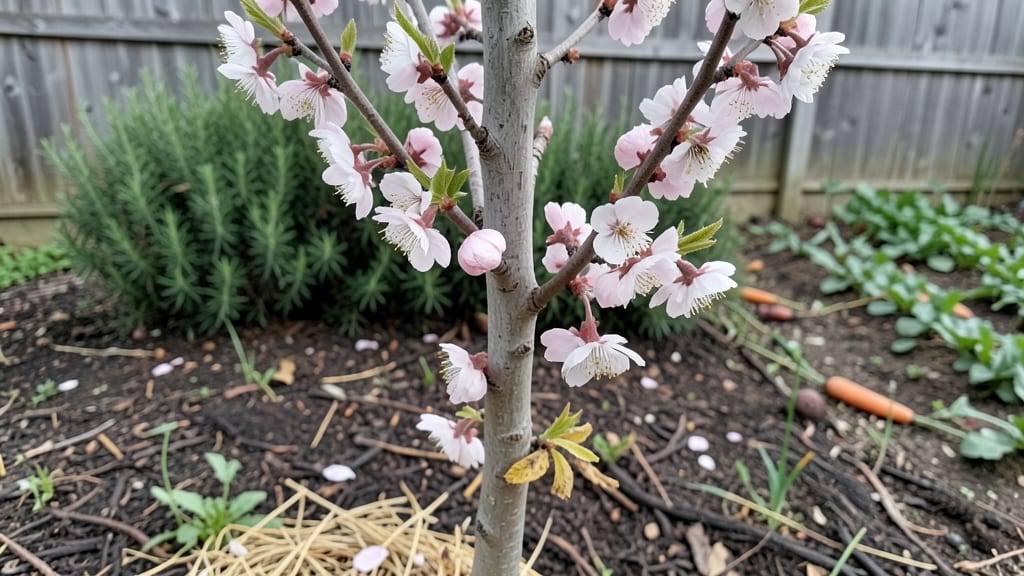
Growing an almond blossom plant means waking up to clouds of pink and white fragrant blooms that smell like spring in a bottle. ✨ I planted my first tree last April, and within weeks, the scent filled my backyard—so intoxicating that neighbors stopped to ask what it was.
The key isn’t just the right variety; it’s the soil, the timing, and a little patience to coax those delicate flowers into full, showy display.
Almond trees thrive in USDA zones 5-9, but they demand well-draining soil and full sun—at least 6-8 hours daily. Sweet almond varieties (like Nonpareil) are prized for their nuts, while bitter almonds (such as Fascion) are grown for ornamental value.
The secret to vibrant blossoms? Plant in early spring when soil reaches 60°F, and mulch heavily to retain moisture without waterlogging roots.
By late winter, you’ll see those iconic pink tassels emerge, followed by fragrant white blossoms that last 2-3 weeks. Prune in late winter to remove dead wood and shape the tree, but avoid heavy cuts—this encourages next year’s blooms.
With proper care, your tree will reward you with scented flowers every spring and, if you’re growing sweet almonds, a harvest of crunchy nuts by fall.
Even in small gardens, dwarf varieties like ‘Texas’ fit neatly into landscapes. Just avoid planting near other stone fruits—cross-pollination can reduce nut quality. Here’s how to set yours up for success from the first bloom to the last harvest.
📚 In This Guide
- What you need
- Instructions
- Tips and common mistakes
- Wrapping up and next steps
What you need
- ● Almond tree variety: Non-bearing (ornamental) almond tree (e.g., Prunus dulcis ‘Antioch’ or ‘Fascination’)
- ● 1-3 saplings (3-5 ft tall) or bare-root plants (fall/winter planting)
- ● Soil: Well-draining, slightly acidic to neutral (pH 6.0–7.5), loamy soil. Amend with compost (5–10 lbs per planting hole).
- ● Sunlight: Full sun (6+ hours daily). Choose a sheltered spot if in windy areas.
- ● Water: Drip irrigation or soaker hose (1–2 gallons per tree, 2–3x/week for first year).
- ● Fertilizer: Balanced 10-10-10 fertilizer (1 lb per tree, spring and fall)
- ○ Optional: Citrus/micro-nutrient blend (for flowering health)
- ● Planting: Shovel, trowel, garden gloves, mulch (wood chips or straw, 2–3 inches)
- ○ Support (optional): Stakes (2–3 ft) + tree ties for young saplings
- ● Pruning: Bypass pruners, loppers (for mature branches), disinfectant (rubbing alcohol)
- ● Protection: Frost cloth (for young trees in cold climates), bird netting (to safeguard blossoms)
- ● Hardiness zones: 5–9 (check your USDA zone!)
- ● Best planting time: Bare-root: Late fall/winter (dormant season)
- ● Container-grown: Early spring or fall (avoid summer heat)
- ● Chill hours: 300–500 hours below 45°F (critical for blossoming!)
- ● Soil moisture meter (to monitor watering)
- ● Slow-release osmocote fertilizer (for convenience)
- ● Decorative rocks or pebbles (for aesthetic planting holes)
- ● Pollinator-friendly companion plants (e.g., lavender, thyme)
Step-by-step guide to planting and caring for almond blossom trees
Here's how to bring those dreamy pink-and-white blooms to your yard with minimal fuss.
🌱 Step 1: Choose the Right Location and Plant Your Tree
Almond blossoms thrive in full sun—at least 6-8 hours daily. Pick a spot with well-draining soil since these trees hate soggy roots. I dig a hole twice as wide as the root ball but only as deep. Place the tree so the top of the root ball sits 1-2 inches above ground level—this prevents water from pooling around the trunk.
Backfill with native soil, tamping gently to remove air pockets. Water deeply right after planting to settle the soil and eliminate gaps. A 5-gallon bucket of water works for young trees. Mulch around the base with 2-3 inches of organic mulch, keeping it 6 inches away from the trunk to prevent rot.
☀️ Step 2: Provide Consistent Water and Sunlight
Almond trees need regular watering during their first year to establish roots. Water deeply once a week unless rainfall provides 1 inch of moisture. You'll know it's enough when water drains 6-8 inches deep into the soil. Overwatering causes root rot, so let the top 2-3 inches of soil dry out between waterings once established.
Keep the tree in full sun—partial shade reduces blossom production. If your climate has hot summers, afternoon shade helps prevent leaf scorch. You'll see the most vibrant blooms when the tree gets consistent sunlight and steady moisture.
✂️ Step 3: Prune for Shape and Health
Prune almond trees in late winter or early spring before new growth begins. Remove any dead, diseased, or crossing branches first—these compete for nutrients and block sunlight. I cut back about 1/3 of the previous year's growth to encourage bushier, more productive branches.
Shape the tree by thinning out crowded areas to improve airflow. This prevents fungal diseases and helps blossoms develop more evenly. Avoid heavy pruning in fall, as new growth won't harden off before winter. You'll notice healthier, more abundant blooms within a season or two of proper pruning.
🌿 Step 4: Fertilize and Monitor for Pests
Apply a balanced, slow-release fertilizer in early spring when new growth appears. I use a 10-10-10 formula at half-strength to avoid burning the roots. Spread it evenly under the tree's canopy and water it in well. Repeat in late summer if your soil is poor or the tree looks nutrient-deficient.
Watch for signs of pests like aphids or spider mites, which love new growth. A strong spray of water usually knocks them off, but severe infestations may need insecticidal soap. Almond trees are generally low-maintenance, but consistent care ensures those stunning spring blossoms year after year.
Tips & tricks for perfect almond blossom plant care
Almond blossom trees are stunning but need specific care to thrive—here's how to avoid common pitfalls and get those dreamy pink-and-white blooms every spring.
Location is Everything: That 6-8 hours of full sun is non-negotiable for almond blossoms. If your yard only gets 5 hours, consider a south-facing location where the tree can catch reflected sunlight from nearby walls or fences. I planted mine against a brick wall, and it gets an extra hour of indirect light that makes all the difference in bloom production.
Watering Wisdom: The once-a-week deep watering is crucial, but timing matters too. Water in the early morning so the soil has time to dry out before evening. I use a moisture meter to check that water penetrates 6-8 inches deep—if it doesn't, keep watering until it does. Overwatering is the #1 killer of young almond trees, so resist the urge to water daily.
Pruning Precision: When you cut back that 1/3 of last year's growth in Step 3, focus on removing branches that grow inward or cross each other. These compete for sunlight and nutrients, reducing blossom production. I like to prune on a dry day when the tree isn't actively growing—this helps prevent disease entry points.
Fertilizer Timing: That early spring application of 10-10-10 at half-strength is perfect, but don't skip the late summer feeding if your tree looks hungry. I test my soil every 2 years—if the pH is below 6.5, I add lime to help the tree absorb nutrients better. Almond trees are light feeders, so more fertilizer won't make them bloom more, but proper nutrition ensures healthy growth for those stunning blossoms.
Pro Tips for Almond Blossom Plant
- Almond blossom trees are stunning but need specific care to thrive—here's how to avoid common pitfalls and get those dreamy pink-and-white blooms every spring.
- Location is Everything: That 6-8 hours of full sun is non-negotiable for almond blossoms.
- Watering Wisdom: The once-a-week deep watering is crucial, but timing matters too.
Frequently asked questions
Got questions about nurturing your almond blossom plant? You’re not alone! Here are some of the most common queries—plus straightforward answers to help you grow a stunning, fragrant display.
When do almond blossoms typically bloom?
Almond blossoms usually appear in late winter to early spring, depending on your climate. In warmer regions (like California), they may bloom as early as February, while cooler areas might see them in March or April. Early bloomers are often more vulnerable to frost—so keep an eye on the forecast!
How long do almond blossoms last?
The vibrant pink or white flowers typically last 1–2 weeks, but their fragrance can linger for days. For longer enjoyment, plant multiple varieties with staggered blooming times or pair them with early spring bulbs like daffodils.
Can I grow an almond tree from a store-bought almond?
Nope! Store-bought almonds are processed and sterilized—they won’t sprout. For propagation, you’ll need raw, untreated almonds (like those from a specialty grocer) or purchase a grafted tree from a nursery. Soak the nut in water for 24 hours first to encourage germination.
Why aren’t my almond blossoms attracting bees?
Bees love almond blossoms, but a few factors might keep them away:
- Cold weather: Bees are less active below 55°F (13°C).
- Pesticides: Avoid spraying chemicals during bloom.
- Lack of diversity: Plant bee-friendly companions like lavender or thyme nearby.
Are almond blossoms edible?
While the flowers are non-toxic, they’re not typically eaten. However, they’re a stunning garnish for salads or desserts! Just ensure no pesticides were used. The real treasure? Their delicate, honey-like scent—perfect for sensory gardens.
Wrapping up and next steps
The almond blossom plant brings a touch of springtime magic to gardens with its delicate beauty and intoxicating scent. Whether you’re a seasoned gardener or just starting, these fragrant blooms are a rewarding addition—just remember to choose the right variety, provide proper care, and embrace patience as they grow. 🌸
Ready to welcome this springtime star? Start by selecting your almond tree variety—whether sweet or bitter—and take the first step toward a garden filled with fragrant blooms. Happy planting! 🌱