
Watering
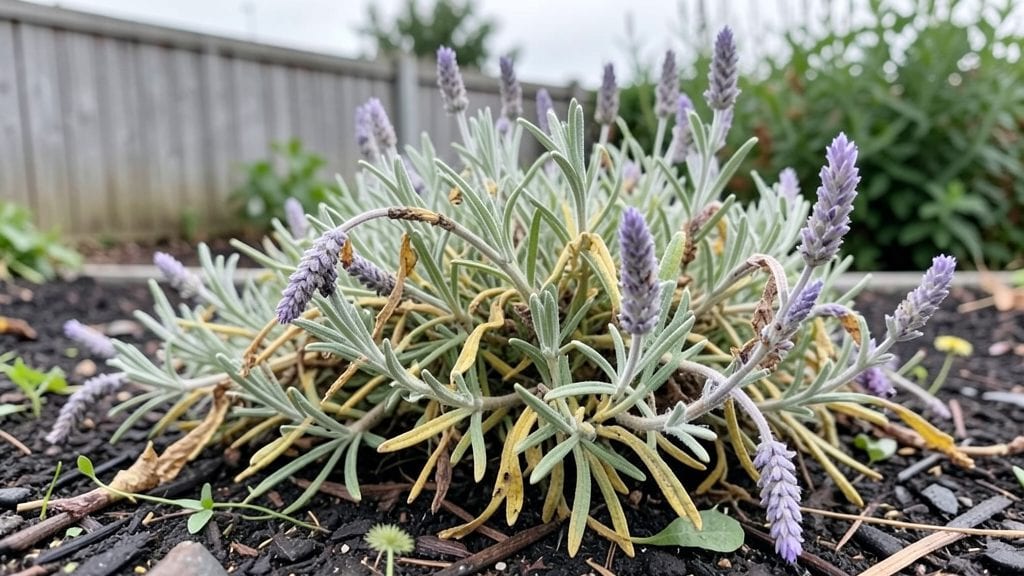
Overwatered lavender plants can look like a lost cause, but I’ve brought back enough soggy bushes to know these three root-saving steps work every time. 🌱 The first sign—yellowing leaves or a wilted crown—is your wake-up call, not a death sentence.
Lavender’s drought-loving roots suffocate in wet soil, but with the right fix, you’ll see fresh green growth in just a few weeks.
Here’s the hard truth: lavender hates soggy feet. Most people overwater because they think these silvery shrubs need constant moisture—wrong. The fix starts with stopping water immediately and letting the soil dry completely between drinks.
Then, improve drainage by amending the soil with gritty materials like perlite or coarse sand, or move the plant to a container with drainage holes if it’s in the ground.
Within 2-3 weeks, you’ll notice new growth at the base as the roots recover. The key is patience—lavender bounces back, but it won’t forgive a repeat of the same mistakes.
Once revived, these plants thrive with once-a-week watering (or less in hot climates) and well-draining soil. The fragrance alone makes the effort worth it.
This works for both backyard lavender and container-grown varieties. The secret? Treating lavender like the Mediterranean native it is—dry, sunny, and unfussed. Your revived plant will reward you with silver foliage and purple blooms for years to come. Let’s get those roots breathing again.
Common Causes Of Excess Moisture
Lavender thrives in dry, well-drained soil—but when it gets too much water, its delicate roots struggle to breathe. Understanding the root causes (literally!) of overwatering helps you prevent future mistakes. Here’s why your lavender might be drowning in moisture.
Lavender is a drought-tolerant Mediterranean native, meaning it evolved in regions with hot, dry summers and minimal rainfall. When gardeners water lavender too frequently—especially with shallow, inconsistent soaks—the roots remain saturated, blocking oxygen exchange. This triggers:
- Root rot: Phytophthora and Pythium fungi thrive in waterlogged soil, attacking roots and cutting off nutrient uptake.
- Nutrient leaching: Excess water flushes away essential minerals like nitrogen, phosphorus, and potassium, which lavender needs for resilience.
- Stunted growth: Lavender signals distress by slowing down photosynthesis, leading to yellowing leaves (chlorosis) and weak stems.
💡 Pro Tip: Lavender should only be watered when the top 1–2 inches of soil are bone-dry. Stick your finger in the soil—if it feels damp, wait.
Lavender despises heavy, clay-rich, or compacted soils that hold moisture like a sponge. If your garden bed or pot lacks proper drainage, water pools around the roots instead of draining away. Key culprits:
- Clay soil: Tiny particles pack tightly, creating air pockets that suffocate roots. Water sits instead of percolating.
- No gravel or sand mix: Pure potting soil or garden soil without amendments retains moisture too long.
- Containers without drainage holes: Pots act as water traps—even "self-watering" ones can drown lavender if not monitored.
✨ Fix It: Amend soil with 50% coarse sand or perlite and 30% gravel to create a fast-draining mix. For pots, ensure holes at the bottom + a cache pot underneath to catch excess.
High humidity slows evaporation, keeping soil moist longer. Pair that with watering at the wrong times, and your lavender’s roots never dry out. Common mistakes:
- Watering in the evening: Cool temps + no sunlight = slower evaporation = roots stay soggy overnight.
- Ignoring rainfall: Lavender needs 1–2 inches of water per week max. If it rains, skip irrigation for 3–4 days.
- Mulching too heavily: Organic mulch (like wood chips) breaks down and holds moisture. Use gravel or pebbles instead to improve airflow.
🌡️ Climate Hack: In humid zones, water only in the morning (before 10 AM) and reduce frequency by 30–50%.
Now that you know the why, the next step is fixing the damage—stay tuned for 3 root-saving techniques to bring your lavender back to life!
Revive Your Plant With These Fixes
If your lavender plant is struggling from too much water, don’t panic—it’s often reversible with the right care. Below are targeted solutions based on the most common causes of overwatering, along with simple steps to nurse your plant back to health. 🌱💧
Problem: Soggy soil suffocates roots, leading to rot and yellowing leaves.
Fix:
- Stop watering immediately—let the soil dry out completely before watering again.
- Check soil moisture 👨🍳: Stick your finger 2–3 inches deep. If damp, wait 1–2 weeks before watering.
- Improve drainage 🔪:
- If in a pot, drill drainage holes if missing.
- Mix in perlite or coarse sand (20% of the soil) to aerate.
- Repot in well-draining soil (cactus/succulent mix works well).
- Let excess water escape ⏰: Place pots on a tray to catch runoff, then empty it after 30 minutes.
Prevention: ✅ Water only when the top 1–2 inches of soil are bone-dry (lavender hates wet feet!). ✅ Use a pot with drainage holes—never skip this! ✅ Water in the morning so excess evaporates by evening.
Problem: Overwatering causes leaf drop, stunted growth, or mushy stems.
Fix:
- Trim damaged foliage 🔪:
- Snip off yellow, brown, or mushy leaves/stems with clean scissors.
- Cut back to healthy green growth to reduce stress.
- Boost airflow 🌬️:
- Move to a sunnier spot (lavender needs 6+ hours of direct sun).
- Space plants 12–18 inches apart to prevent humidity buildup.
- Fertilize lightly 🌱 (optional):
- Use a balanced, diluted fertilizer (½ strength) once after trimming to encourage regrowth.
- Avoid high-nitrogen feeds—lavender prefers lean soil.
Prevention: ✅ Avoid mulching—lavender roots need airflow; use gravel instead. ✅ Group pots together to create a microclimate with lower humidity. ✅ Prune in early spring to encourage bushier, healthier growth.
Problem: Black, mushy roots or a foul smell mean root rot—a silent killer.
Fix:
- Remove the plant gently 🌿 and rinse roots to assess damage.
- Trim rotten roots ⚰️:
- Cut away black, slimy, or soft roots with sterilized scissors.
- Keep only firm, white/cream roots.
- Repot in fresh soil 🏺:
- Use a sterile, well-draining mix (cactus soil + perlite).
- Choose a smaller pot (lavender prefers being root-bound).
- Hold off on watering ⏳:
- Wait 5–7 days before watering lightly.
- Resume normal care only after new growth appears.
Prevention: 💡 Inspect roots annually during repotting to catch rot early. 💡 Avoid saucers that trap water—opt for elevated pots or pebble trays. 💡 Water at the base instead of overhead to prevent fungal growth.
Pro Tip: 🌡️ Lavender thrives in drought—underwatering is better than overwatering! If in doubt, wait another day before watering.
Frequently asked questions
How do I know if my lavender is overwatered vs. underwatered?
Check the soil first—stick your finger 2 inches deep. Overwatered lavender has soggy, mushy soil and shows yellowing leaves, wilting stems, or blackened roots. Underwatered lavender has dry, cracked soil and brittle, grayish leaves. Pro tip: Lavender wilts when thirsty but bounces back quickly after watering—unlike overwatered plants that stay limp.
Can I save lavender with root rot?
Yes, but act fast! Remove the plant, rinse the roots, and trim away black, mushy sections with clean scissors. Repot in sterile, fast-draining soil (like cactus mix) and hold off watering for 5-7 days. Keep it in bright light and avoid saucers that trap water. New growth should appear in 2-3 weeks if the root system wasn't completely destroyed.
Why does my lavender keep getting overwatered even when I think I'm being careful?
Most people overestimate lavender's needs because it's a Mediterranean plant adapted to dry climates. Common traps: watering on a schedule (instead of checking soil), using pots without drainage, or mulching with organic materials that retain moisture. Fix this by watering only when the top 1-2 inches are bone-dry and using gravel mulch instead of wood chips.
Is it better to underwater lavender than overwater it?
Lavender's drought tolerance makes it more resilient to dry conditions than to soggy soil. While underwatering causes temporary wilting, overwatering leads to root rot and permanent damage. The key is infrequent, deep watering—once every 1-2 weeks in most climates—rather than frequent light drinks.
How long does it take for lavender to recover from overwatering?
With proper care, you'll see new growth in 2-3 weeks and full recovery in 4-6 weeks. The timeline depends on how severe the damage was: mild cases (yellow leaves) recover faster than severe cases (root rot). Monitor soil moisture closely—lavender signals it's ready for water by pulling inward slightly when thirsty.