
Watering
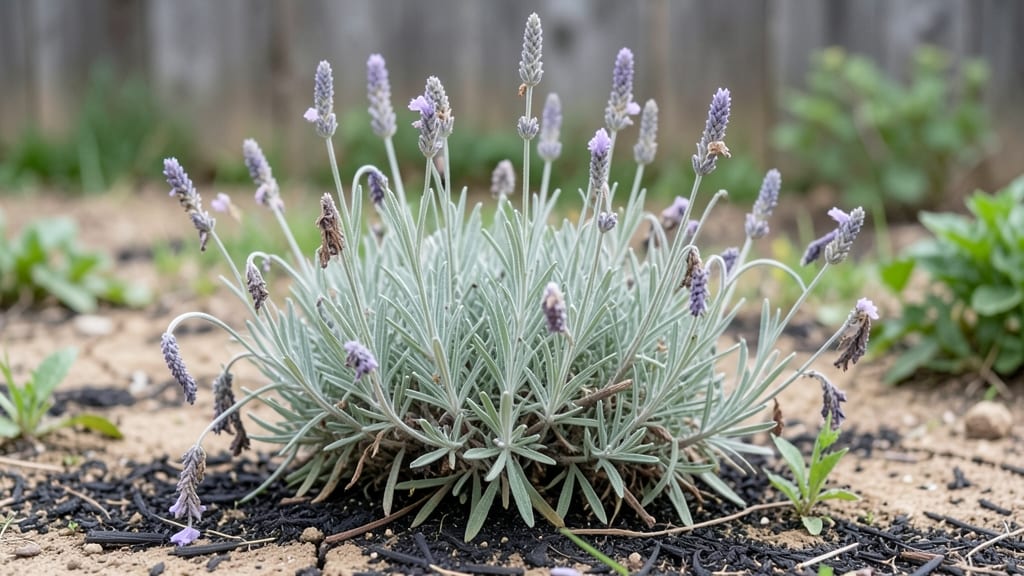
Is your underwatered lavender plant looking more sad than fragrant? Underwatered lavender plants are the most common issue beginners face, and the good news is you can revive them with just a few adjustments.
I’ve nursed back more than a few myself—some with crispy stems and others just looking dull—and every time, the fix comes down to understanding how lavender really drinks water.
The problem isn’t usually thirst—it’s misunderstanding lavender’s roots. These Mediterranean shrubs store water in their woody stems, so they hate soggy soil but also won’t tell you when they’re dry. Stick your finger an inch deep: if the soil feels like a desert, that’s your cue.
Overwatering after this point is the real killer, so we’re talking deep, infrequent watering—not a daily sip.
Within 2-3 weeks of proper watering, you’ll see new growth at the base and those signature silvery leaves perking up. The key is patience: lavender’s recovery isn’t instant, but once it starts, it’s shockingly fast. Think of it like waking a sleepy cat—gentle, not forceful.
Once you’ve got the watering rhythm down, we’ll talk about soil, sunlight tweaks, and how to keep your lavender thriving without the guesswork. Trust me, your garden’s going to smell like a Provence summer again.
Root Causes of Lavender Stress
Underwatered lavender isn’t just about forgetting to water—it’s often a mix of environmental, soil, and plant biology factors working against your fragrant favorite. Let’s break down the science behind why lavender wilts when it’s thirsty, so you can fix the real issues.
Lavender (Lavandula spp.) hates soggy feet—its roots are adapted to dry, well-drained soils, like those found in the Mediterranean. If your soil holds too much water, roots suffocate from lack of oxygen (hypoxia), while fungal diseases like Phytophthora thrive in damp conditions.
Even if you water lightly, compacted or clay-heavy soil can create a waterlogged zone where roots can’t access oxygen or nutrients.
Key culprits:
- Clay or loamy soil (holds water like a sponge).
- Over-amended soil (too much compost or peat retains moisture).
- No gravel or sand layer in pots (traps water at the bottom).
💡 Pro Tip: Test your soil’s drainage by filling a pot with it, adding water, and timing how long it takes to drain. If it’s slower than 30 minutes, amend with perlite, coarse sand, or pumice (20-30% by volume).
Lavender’s native habitat experiences drought cycles, meaning it’s evolved to store water in its woody stems and survive dry spells.
When you water too frequently or inconsistently, you disrupt its natural rhythm, leading to: - Root rot from prolonged wetness (even in well-draining soil). - Osmotic stress, where roots struggle to absorb water because the soil solution becomes too diluted (a common issue in pots). - Transpiration mismatch, where leaves lose water faster than roots can replenish it, causing wilting.
Red flags:
- Watering every 2–3 days (lavender needs deep but infrequent watering).
- Using a spray bottle for "light misting" (encourages shallow root growth).
- Ignoring seasonal needs (less water in summer heat, almost none in winter dormancy).
🌡️ Science Note: Lavender roots grow deeper, not wider, seeking moisture below the surface. Shallow watering keeps roots near the top, where they dry out faster.
Lavender’s drought tolerance is relative—it can handle dry conditions if the soil has a chance to retain some moisture. But when high temperatures (above 90°F/32°C) or strong winds increase evaporation, the soil dries out 3–5 times faster than normal.
This forces roots to work harder, and if they’re already struggling (from poor drainage or overwatering), the plant wilts as a survival mechanism.
How to spot it:
- Topsoil is bone-dry while lower layers still hold moisture (stick your finger in—if the top 1–2 inches are dry, it’s time to water).
- Leaves curl or gray (a sign of transpirational stress).
- Pot soil shrinks away from edges (indicates severe moisture loss).
✨ Quick Fix: Water deeply in the early morning (when evaporation is lowest) and mulch with gravel or fine pebbles (not organic mulch, which retains moisture).
Lavender enters dormancy in fall/winter, slowing water uptake by up to 70% to conserve energy.
Yet many gardeners keep watering as usual, leading to: - Root asphyxiation (cold, wet soil blocks oxygen). - Fungal infections (cool, damp conditions are ideal for pathogens). - Stunted regrowth in spring (roots weakened by overwatering).
Winter watering rules:
- Outdoor lavender: Water only if the soil is completely dry (check with a trowel).
- Potted lavender: Reduce watering by 50% and move pots to a sheltered, slightly shaded spot.
- Never water frozen soil (it can’t absorb moisture anyway).
If your lavender is in a terracotta pot without drainage holes, a plastic container, or a too-small pot, water evaporates unevenly or pools at the bottom.
Even with good soil, these factors create microclimates that stress roots: - Terracotta wicks moisture (great for some plants, but lavender prefers drier conditions). - Plastic traps heat, speeding up evaporation and drying out soil faster. - Root-bound plants (roots circling the pot) can’t access water or nutrients efficiently.
Pot checklist: ✅ Drainage holes (non-negotiable). ✅ Width > depth (lavender roots spread, not dive deep). ✅ Lightweight material (fabric grow bags or unglazed clay breathe better than plastic).
Revive Your Lavender in 3 Steps
Now that you know the signs and causes of an underwatered lavender plant, let’s turn things around with practical, stress-free solutions. Lavender is tough but not indestructible—once you correct the issue, it’ll bounce back with vibrant purple blooms and that signature fragrance.
Here’s how to diagnose and fix the problem, plus tips to keep it thriving long-term.
Lavender’s roots run shallow, but they hate soggy soil just as much as they hate drought. The key is deep, infrequent watering—not a quick sprinkle that barely reaches the roots.
How to do it:
- 🔥 Check soil moisture first: Stick your finger 2–3 inches into the soil. If it’s bone-dry, it’s time to water. If damp, wait a day or two.
- 🍳 Water thoroughly: Use a watering can or hose with a gentle spray to soak the soil until water runs out of the drainage holes at the bottom of the pot (or seeps into the ground for in-ground plants). Aim for 1–1.5 gallons per plant in pots, less for small or newly planted lavender.
- 👨🍳 Avoid overhead watering: Wet leaves encourage fungal diseases like powdery mildew. Water at the base of the plant instead.
- ⏰ Time it right: Water in the early morning so foliage dries quickly. Never water at night.
Prevention tip: 💡 Group lavender plants together in your garden or on your patio. This creates a microclimate that retains moisture better than isolated plants.
Poor drainage is the silent killer of lavender. If water pools around the roots, they’ll rot faster than a forgotten ice cube in the sun.
Fix it with these checks:
- 🔪 For potted lavender:
- Ensure the pot has drainage holes (if not, repot ASAP).
- Use a well-draining soil mix: Combine 60% potting soil, 30% perlite or coarse sand, and 10% compost (lavender prefers lean soil).
- Elevate pots slightly with gravel or pot feet to prevent waterlogging.
- 🏡 For in-ground lavender:
- Amend the soil with sand or gravel (1 part sand to 3 parts native soil) to improve aeration.
- Plant on a slope or raised bed if your yard holds water after rain.
Pro tip: 🌡️ Test your soil’s drainage by digging a small hole, filling it with water, and timing how long it takes to drain. If it’s slower than 10 minutes, your soil needs help.
Once your lavender is back on track, tweak its environment to prevent future underwatering (or overwatering!).
Quick fixes:
- 🌿 Prune wisely: Trim back leggy or overgrown stems in early spring to encourage bushier growth. Avoid heavy pruning after summer—lavender needs time to harden off before winter.
- 🌡️ Mulch lightly: Use gravel or small rocks (not organic mulch) around the base to reflect sunlight and reduce evaporation. Keep mulch 1–2 inches away from the stem.
- 🎯 Monitor humidity: Lavender thrives in low humidity. If you’re in a damp climate, plant it in the sunniest, driest spot possible.
Prevention checklist: ✅ Water only when the top 1–2 inches of soil are dry (stick your finger in—no guesswork!). ✅ Use a moisture meter for potted lavender if you’re unsure. ✅ Avoid fertilizing—lavender prefers poor soil. Too much nitrogen = weak, floppy stems. ✅ Rotate pots occasionally so all sides get even sunlight.
Final thought: 🌿 Patience is key! Lavender recovers slowly but surely. Within 2–4 weeks, you should see new growth and those signature lavender spikes. If your plant is severely stressed (brown, crispy, or falling apart), it may not revive—but don’t give up!
Start fresh with a cutting or a new plant, and this time, keep it happy with the right care.
Frequently asked questions
How do I know if my lavender plant is truly underwatered?
Check for these signs: dry, crispy leaves, soil pulling away from pot edges, or stems that look woody and brittle. Stick your finger 2 inches deep—if the soil feels completely dry, that’s your cue. Pro tip: Lavender’s leaves should feel slightly leathery, not papery or grayish.
Can I save a lavender plant that’s completely brown and crispy?
It depends on how much green growth remains. If there’s any green at the base or new shoots, trim the dead parts and adjust your watering. If it’s fully brown, it may be beyond saving—but you can propagate healthy cuttings to grow new plants. Start fresh with well-draining soil and proper spacing.
Why does my lavender wilt even after I water it?
Overwatering or poor drainage are likely culprits. Lavender roots need oxygen—if water pools at the bottom, they suffocate. Check your pot for drainage holes and use a mix of 60% potting soil, 30% perlite, and 10% compost. Water only when the top 1–2 inches are dry, and avoid soggy soil.
How often should I water potted lavender in summer?
Water potted lavender every 5–7 days in summer, but always check soil moisture first. Use 1–1.5 gallons per watering until it drains completely. Group pots together to create a drier microclimate, and avoid overhead watering to prevent fungal issues. Morning watering is best—it gives leaves time to dry.
What’s the best way to revive a drooping lavender plant?
Give it a deep watering at the base in the morning, then move it to a shadier spot for 24 hours to reduce stress. Avoid fertilizing—lavender prefers lean soil. Within 1–2 weeks, you should see new growth. If it’s severely damaged, prune dead stems and focus on soil drainage moving forward.