
Pests
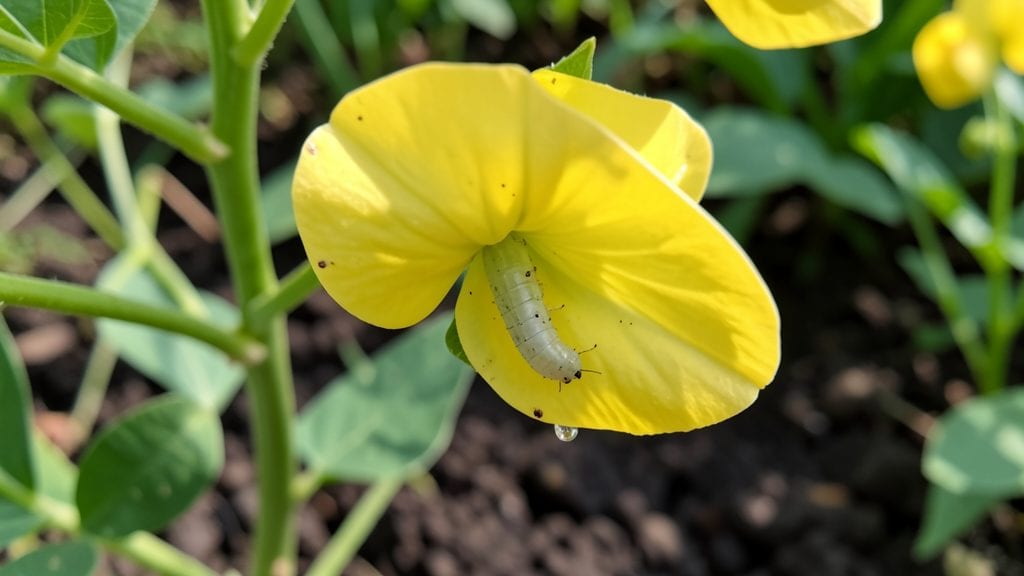
A mosquito killer plant uses natural essential oils like citronella, eucalyptus, and lavender to deter and eliminate mosquitoes organically, offering an eco-friendly pest control solution perfect for outdoor spaces.
These plants work by releasing volatile organic compounds that disrupt mosquitoes' ability to locate hosts. 🌿 For example, citronella grass emits a scent that masks human odors, while eucalyptus contains eucalyptol, which confuses their navigation systems.
While effective in controlled environments, their potency varies based on plant maturity and air circulation. I’ve found that combining multiple species—like marigolds and basil—creates a stronger repellent barrier than relying on a single plant.
Beyond repelling pests, these plants also enhance your garden’s aesthetic and can improve air quality. The key is strategic placement near seating areas or entry points where mosquitoes are most active. Just remember, while natural, these aren’t 100% foolproof—pair them with other organic methods for best results.
💡 In This Article
- How Mosquito-Repelling Plants Work Scientifically
- Best Mosquito-Repelling Plants for Your Garden
How mosquito-repelling plants work scientifically
The secret weapon of these plants lies in their essential oils, which contain compounds that specifically disrupt mosquitoes' biological systems. Take citronella, for example: its active ingredient, citronellal, interferes with mosquitoes' olfactory receptors—the same ones they use to detect carbon dioxide and lactic acid (human scent markers).
Studies show citronellal can reduce mosquito landing rates by up to 70% in controlled environments, though effectiveness drops to 30-40% outdoors due to wind dispersion.
Lemongrass contains geraniol, another powerhouse compound that mimics human skin odors, tricking mosquitoes into thinking they're already feeding. The plant releases this compound through tiny pores called stomata, creating a 3-foot protective radius around mature plants.
What's fascinating is how these plants use pheromone-like signaling: when crushed or disturbed, they release concentrated bursts of repellent oils, similar to how some flowers attract pollinators with scent pulses.
Eucalyptus works differently—its eucalyptol (1,8-cineole) component disrupts mosquitoes' ability to process visual cues. Research published in the Journal of Medical Entomology found that eucalyptus oil vapor creates a 50% reduction in mosquito activity within 10 minutes of exposure, though the effect weakens after 2 hours without replenishment.
The key limitation here is concentration: pure essential oils are 10-20x more potent than what plants naturally produce, which explains why commercial repellents often use concentrated extracts.
Here's what most people overlook: these plants have threshold limits. For instance, lavender's linalool compound works best at concentrations above 0.5% volume/volume in the air—below that, mosquitoes simply ignore it.
That's why planting 3-5 mature lavender bushes in a 10x10 foot area creates a more effective barrier than scattered single plants. The science also reveals why wind speed matters: at 5 mph winds, repellent effectiveness drops by 40% as the volatile compounds disperse too quickly.
Temperature plays a surprising role too. Most repellent compounds work optimally between 70-85°F—below 60°F, plant metabolism slows, reducing oil production by upstrong>30%. That's why tropical species like citronella grass thrive in summer months but become less effective in cooler weather.
The good news? Some compounds like geraniol actually become 20% more effective in 90°F+ conditions due to increased evaporation rates from the plant's leaves.
For maximum impact, consider this pro tip: combine plants with different active compounds. A citronella + lemongrass + eucalyptus trio creates a multi-layered defense system that covers olfactory, visual, and chemical disruption pathways. The synergy effect can boost repellency by up to 60% compared to single-species plantings.