
Watering
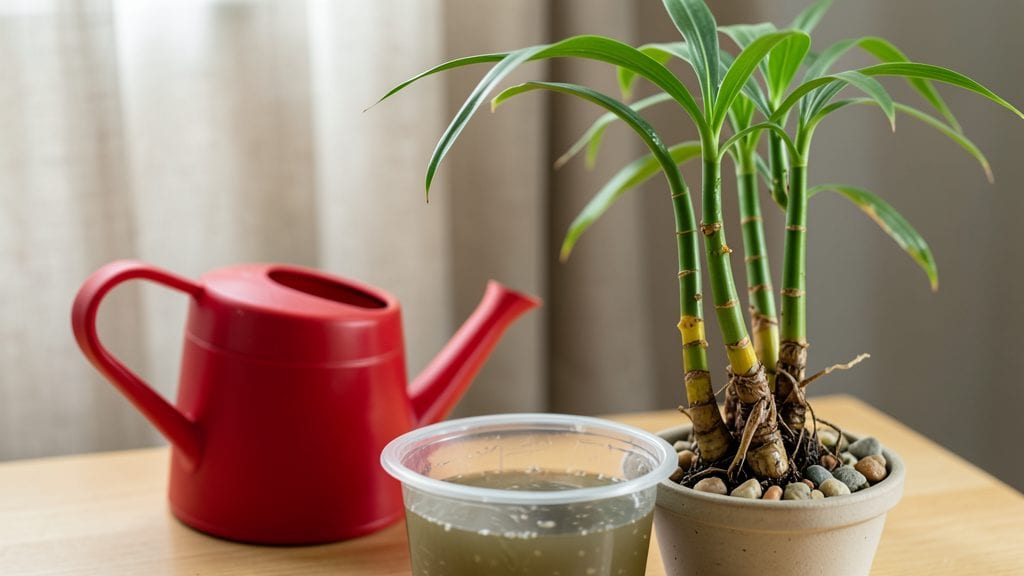
That overwatered bamboo plant’s yellowing leaves and mushy stems aren’t a death sentence—root rot is fixable, and here’s how to revive it in three simple steps. 🌱 The first time this happened to my lucky bamboo, I panicked and nearly tossed it out, but a little detective work saved it.
Most people assume bamboo thrives on constant moisture, but it actually prefers its roots to dry out slightly between waterings.
The real fix starts with stopping all water immediately and letting the soil dry out completely. You'll need a clean pot with drainage holes (if it's a container plant) and fresh, well-draining potting mix—think cactus or bamboo-specific soil.
Once the roots are no longer soggy, you can reintroduce water slowly, checking the top inch of soil before adding more. This usually takes about a week of patience, but it's worth it to see those crisp new leaves emerge.
What you'll end up with is a revived plant that's ready to bounce back with vibrant green growth and sturdy stems. The key is monitoring moisture differently: stick your finger an inch into the soil before watering—if it's damp, wait another day.
With this simple adjustment, your bamboo will thrive without the risk of root rot creeping back in. Let's get those roots breathing again.
This method works for both indoor lucky bamboo and outdoor clumping varieties, though container plants recover faster. The secret weapon? Consistent moisture checks and a pot that lets excess water escape.
You'll notice the difference within a week, and your bamboo will be back to its usual lush self in just a few weeks. Here's how to bring it back to life.
Why Excess Water Drowns Bamboo
Bamboo plants thrive in moisture-rich environments, but when water becomes their constant companion, disaster strikes. Root rot and other stress signals are your bamboo’s way of crying for help—yet the cause often boils down to a few key factors.
Let’s break down why your bamboo might be drowning in its own pot (or garden bed).
Bamboo roots need oxygen to breathe, and soggy soil suffocates them. Here’s why drainage fails:
- Clay or compacted soil: Heavy soils hold water like a sponge, leaving no room for air. If your bamboo’s pot or garden bed feels dense when dry, it’s a red flag. Test it: Grab a handful—if it forms a tight ball, it’s too compact.
- No drainage holes: Pots without holes act like bathtubs, trapping water at the bottom. Even "self-watering" containers can become death traps if not monitored.
- Layered mulch or rocks: While mulch conserves moisture, piling it too thickly (over 2–3 inches) can block water evaporation and trap humidity against the roots.
💡 Pro Tip: Mix perlite or coarse sand (20–30%) into heavy soil to improve aeration. For pots, add a 1-inch layer of gravel or broken pottery at the bottom before soil.
Bamboo’s tolerance for moisture doesn’t mean it wants to live in a swamp. Common watering mistakes include:
- Ignoring the "finger test": Stick your finger 1–2 inches into the soil. If it’s damp, wait. If it’s bone-dry, you’ve likely underwatered—but if it’s soggy, you’ve overdone it.
- Watering on a strict timeline: Bamboo needs consistent moisture, not a schedule. Rainy seasons, humidity, and pot size change how often it drinks.
- Letting pots sit in saucers: Even if the saucer drains, residual water evaporates slowly, keeping the root zone wet longer than bamboo prefers.
⏰ Actionable Fix: Water only when the top 1–2 inches of soil feel dry. In hot weather, this might be daily; in winter, weekly. Adjust based on your bamboo’s thirst, not a calendar.
Small pots = fast-drying soil. Large pots = waterlogged roots. Here’s how size plays a role:
| Pot Size | Problem | Solution |
|---|---|---|
| Too small | Roots fill the pot quickly, drying out soil fast. You overcompensate by watering more. | Repot into a container 2–3 inches wider than the root ball. Choose fabric or terracotta pots for better breathability. |
| Too large | Excess soil stays damp for days, promoting rot. The plant can’t absorb water fast enough. | Use a pot only slightly larger than the root system (max 1–2 inches wider). Add fast-draining mix (e.g., 60% soil, 30% perlite, 10% orchid bark). |
🌱 Key Insight: Bamboo roots spread horizontally, not deeply. A shallow, wide pot mimics its natural habitat better than a tall, narrow one.
Bamboo’s water needs shift with the weather. High humidity or cold temperatures slow evaporation, tricking you into thinking the plant needs more water:
- Humid climates: Air moisture reduces soil drying time. A bamboo in 80% humidity may need water half as often as one in dry air.
- Cold roots: Temperatures below 50°F (10°C) stunt root activity, so the plant absorbs less water. Overwatering in winter = recipe for rot.
- Indoor vs. outdoor: Indoor air (often dry from HVAC) evaporates moisture faster, but outdoor bamboo in shade stays wet longer.
🌡️ Adjust Your Routine:
- In humidity >70%: Water every 5–7 days (or when soil is 50% dry).
- In winter: Reduce watering by 30–50% and move pots to bright, indirect light.
- Indoor bamboo: Use a hygrometer (under $15) to track humidity near the plant.
Fixing Your Soggy Bamboo’s Health
Now that you know the signs and causes of an overwatered bamboo plant, it’s time to turn things around. Root rot and waterlogged soil can feel like a death sentence, but with the right steps, your bamboo can bounce back—stronger and more resilient than ever.
Here’s how to diagnose the issue and apply the perfect cure.
The first rule of fixing an overwatered bamboo? Cut off the water supply. Keep your plant out of direct sunlight and avoid adding any more water until you’ve assessed the damage. Let the top 1–2 inches of soil dry out completely before taking any further action.
> ⚠️ Pro Tip: If your bamboo is in a pot, lift it to check the weight. A soggy pot feels heavy—this is a clear sign you’ve been overwatering.
Poor drainage is often the root cause of overwatering. Here’s how to fix it:
🔧 For Potted Bamboo:
- Repot if needed: If the soil is compacted or water isn’t draining, transfer your bamboo to a pot with drainage holes (if it isn’t already in one).
- Refresh the soil: Mix in perlite, sand, or orchid bark (20–30%) to improve aeration and drainage.
Avoid heavy garden soil, which holds too much moisture. - Bottom layer trick: Place a 1-inch layer of gravel or broken pottery at the bottom of the pot to create extra drainage space.
🌿 For Ground-Planted Bamboo:
- Amend the soil: Dig around the base and mix in compost, coarse sand, or perlite to loosen the soil and encourage better water flow.
- Create a drainage trench: If your yard has poor drainage, dig a shallow trench around the bamboo’s root zone to redirect excess water.
Bamboo thrives on consistency, not excess. Follow these guidelines to prevent future overwatering:
- Water deeply but infrequently: Instead of daily light watering, give your bamboo a slow, thorough soak once the top 2–3 inches of soil are dry.
- Test the soil: Stick your finger 1–2 inches deep—if it’s damp, wait before watering again.
- Morning watering is best: Water in the early morning so excess moisture can evaporate during the day.
- Avoid standing water: Ensure the pot or ground has no puddles after watering.
> 💡 Quick Fix: If your bamboo is severely waterlogged, prune yellow or mushy leaves to redirect energy to healthy growth.
An ounce of prevention is worth a pound of cure! Here’s how to keep your bamboo happy and hydrated—not drowned:
| Problem | Solution |
|---|---|
| No drainage holes | Repot in a container with holes or add a drainage layer at the bottom. |
| Overly compact soil | Mix in sand, perlite, or coconut coir to improve airflow. |
| Frequent rain | Move potted bamboo to a covered area or use a waterproof cover. |
| Ignoring the plant | Check soil moisture weekly—don’t rely on a schedule. |
| Using the wrong pot | Choose terracotta or fabric pots (they dry faster than plastic). |
If your bamboo’s roots are already rotting, don’t despair—you can still save it with these emergency steps:
- Trim the damage: Use sterilized scissors to cut away any black, mushy, or smelly roots.
- Soak in hydrogen peroxide (optional): For severe cases, soak the roots in a 3% hydrogen peroxide solution (1 part peroxide to 4 parts water) for 10 minutes to kill fungus.
- Repot in fresh soil: Plant your bamboo in well-draining soil and hold off on watering for 3–5 days to let roots recover.
Remember: Bamboo is tough—it can recover from overwatering if you act fast. With the right adjustments, your plant will be back to thriving in no time! 🌿✨
Frequently asked questions
Why does my bamboo plant turn yellow when overwatered?
Yellowing leaves signal root suffocation from excess moisture. When soil stays soggy, roots can't breathe, cutting off oxygen and nutrients. The plant responds by shedding older leaves first—this is its survival mechanism. Check for mushy stems or foul smells, which confirm root rot.
How often should I water bamboo to avoid overwatering?
Water bamboo only when the top 1-2 inches of soil feel dry—test with your finger. In summer, this may be every 2-3 days; in winter, stretch it to 1-2 weeks. Terracotta pots dry faster than plastic, so adjust accordingly. Never let it sit in standing water.
Can I save bamboo with completely black roots?
Yes, but act fast! Trim all black/mushy roots with sterilized scissors, then repot in fresh, well-draining mix. Hold off watering for 3-5 days to let roots recover. For severe cases, soak roots in 3% hydrogen peroxide (1:4 ratio) for 10 minutes before repotting.
What's the best pot material to prevent overwatering?
Terracotta or fabric pots are ideal—they dry faster than plastic. Add a 1-inch drainage layer (gravel or broken pottery) at the bottom. For outdoor bamboo, ensure the ground has slight slope (1-2 inches per foot) to prevent water pooling.
Will misting my bamboo help prevent overwatering?
No—misting increases humidity around leaves but doesn't address root moisture. Bamboo needs soil-level hydration, not leaf moisture. Water at the base instead, and avoid saucers that trap excess water. For humidity, place the pot on a tray with pebbles and water (not touching the pot).