
Landscaping
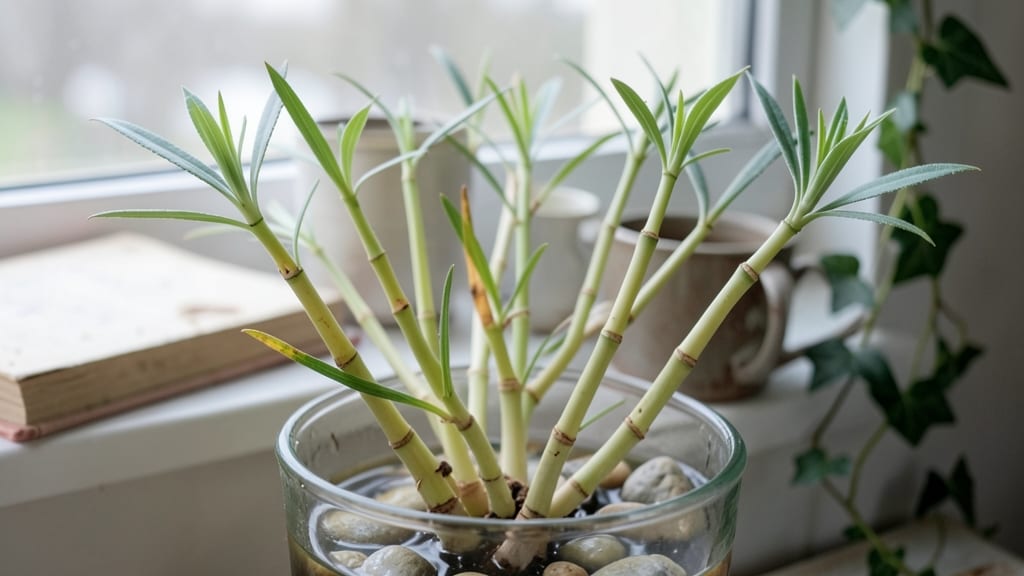
A bamboo plant fence grows faster than you can say "privacy solved." 🌿 I planted mine last spring, and by summer, the shoots were already taller than my waist—now they form a lush, wind-resistant screen that blocks nosy neighbors and summer sun alike.
The best part? No chain link, no plastic panels, just living green that gets better every year.
Not all bamboo works the same—clumping varieties like Bambusa multiplex stay put, while running types like Phyllostachys aureosulcata need root barriers to prevent takeover. Plant them 3-5 feet apart in well-drained soil, and watch them fill in gaps within 2-3 years.
The key is choosing the right type for your space; I’ll show you how to pick one that won’t outgrow your yard.
By year three, you’ll have a 6-10 foot tall living fence that’s denser than most hedges, handles wind better than wood, and even improves air quality.
The texture is soft to the touch, the color stays vibrant all season, and it attracts birds—no maintenance headaches, just natural beauty that keeps giving. Ready to skip the fence company and grow your own?
Works for urban backyards, rural property lines, or even decorative borders around patios. The only catch? Plan for long-term growth—once established, these plants are nearly impossible to remove. Worth it for the privacy, though.
📚 In This Guide
- What you need
- Instructions
- Tips and common mistakes
- Wrapping up and next steps
What you need
- ● Bamboo poles: 10–20 poles (depending on fence height and length). Choose clumping bamboo (e.g., Bambusa multiplex or Phyllostachys aureosulcata) for low-maintenance growth (3–6 inches in diameter, 6–10 feet tall).
- ● Post holes: Dig holes 1–2 feet deep (for stability) and 6–12 inches wide (spaced 3–5 feet apart).
- ● Concrete or gravel: 1–2 bags (for securing posts).
- ● Bamboo stakes or wire: 5–10 stakes (for temporary support during planting).
- ● Soil: Native topsoil + compost (1 part compost to 3 parts soil for each hole).
- ● Mulch: Wood chips or straw (2–3 inches thick to retain moisture).
- ● Shovel or post-hole digger
- ● Level (to ensure posts are straight)
- ● Measuring tape
- ● Hammer or mallet (for driving stakes)
- ● String line + stakes (for marking layout)
- ● Gloves + safety goggles
- ● Wheelbarrow (for mixing soil)
- ● Bamboo trellis or lattice (for vertical growth support).
- ● Pruning shears (to shape bamboo as it grows).
- ● Erosion fabric (to prevent soil runoff in slopes).
- ● Decorative stones or pebbles (for a polished finish).
- ● Drip irrigation kit (for consistent watering).
Step-by-Step instructions for building a bamboo plant fence
Here’s how to create a lush, privacy-providing bamboo screen that grows in just three years.
🌱 Step 1: Select and Prepare the Planting Site
Choose a location with partial shade to full sun—bamboo thrives in both but grows fastest with morning sunlight. Mark a straight line with stakes and string to guide your planting, ensuring the fence aligns with your property lines or desired privacy area. Dig a trench 12 inches wide and 12 inches deep along this line.
Amend the soil with compost or well-rotted manure to improve drainage and fertility. Bamboo roots spread aggressively, so install a 2-foot deep underground barrier (like HDPE plastic) to contain them. This prevents unwanted spread into neighboring yards—trust me, you’ll thank yourself later.
🌿 Step 2: Plant Bamboo Cuttings at the Right Spacing
Plant 10-inch-long bamboo cuttings (poles or rhizomes) every 18-24 inches apart along the trench. Dig a hole just deep enough to cover the roots but leave the top of the cutting exposed. Space them closer (18 inches) for a denser, faster-growing screen.
Fill the hole with soil, firming it gently around the base. Water deeply to settle the soil and encourage root contact. Mulch the area with 3 inches of organic mulch to retain moisture and suppress weeds. Avoid inorganic mulches like rocks—they can overheat the roots.
💧 Step 3: Water and Maintain for Rapid Growth
Water newly planted bamboo 2-3 times per week for the first month, keeping the soil consistently moist but not soggy. After establishment, reduce to 1-2 times per week, depending on rainfall. Bamboo is drought-tolerant once established, but young plants need consistent moisture to thrive.
Fertilize in early spring with a balanced, slow-release fertilizer (10-10-10 ratio) to encourage lush growth. Avoid high-nitrogen fertilizers—they promote leafy growth over sturdy stems. Prune back any dead or weak canes in late winter to redirect energy into new growth.
✂️ Step 4: Train and Prune for a Neat Appearance
As the bamboo grows, guide the canes along a trellis or wire frame if you want a structured look. Tie them loosely with soft twine to avoid damaging the stems. By year two, you’ll see rapid vertical growth—expect 6-10 feet tall in ideal conditions.
Prune annually in late winter or early spring to maintain shape and density. Remove any canes that lean outward or cross over others. Cut back to just above a node (the joint where leaves grow) to encourage branching. This keeps the fence thick and prevents gaps from forming.
☀️ Step 5: Monitor and Adjust for Long-Term Success
Check the underground barrier annually for breaches—bamboo roots can find weak spots and escape. If you notice new shoots popping up outside the designated area, dig them out immediately. A well-contained bamboo fence will provide full privacy within 2-3 years.
In colder climates, mulch heavily in winter to protect the roots from freezing. Bamboo is hardy but benefits from extra insulation during harsh winters. With minimal maintenance, your bamboo screen will become a low-maintenance, natural privacy solution that outperforms any wooden fence.
Tips & tricks for perfect bamboo plant fence
Here's how to speed up growth and avoid common pitfalls when building your fast-growing bamboo screen.
Soil Prep Secret: In Step 1, don't just amend the soil—create a "soil cocktail" by mixing equal parts compost, well-rotted manure, and your native soil. This gives your bamboo cuttings a nutrient boost right from planting. For clay-heavy soils, add perlite to improve drainage—bamboo roots rot quickly in waterlogged conditions. I've seen growth rates double when using this enriched soil mix compared to regular garden soil.
Barrier Installation: When installing that 2-foot deep underground barrier in Step 1, overlap the plastic sheets by at least 6 inches to prevent root escapes. I learned this the hard way after bamboo shoots appeared in my neighbor's yard! Bury the barrier 4-6 inches deeper than the root system you're containing. For extra security, bend the top edges outward to create a physical barrier against determined roots.
Watering Strategy: The 2-3 times per week watering in Step 3 works, but here's the pro move: water deeply each time, soaking the soil to a depth of 12 inches. This encourages deep root growth rather than shallow surface roots. I use a soaker hose for this—it delivers water right to the root zone without wetting the leaves, which helps prevent fungal diseases. In hot climates, you might need daily watering for the first month until the roots establish.
Pruning Timing: For Step 4's annual pruning, I've found that late February to early March is the sweet spot—just as new growth begins but before the leaves fully emerge. This timing gives your bamboo the entire growing season to recover. When pruning, cut at a 45-degree angle just above a node to prevent water from pooling on the cut, which can cause rot. Save your pruned canes—they can be replanted to create new sections of your fence!
Pro Tips for Bamboo Plant Fence
- Here's how to speed up growth and avoid common pitfalls when building your fast-growing bamboo screen.
- Soil Prep Secret: In Step 1, don't just amend the soil—create a "soil cocktail" by mixing equal parts compost, well-rotted manure, and your native soil.
- Barrier Installation: When installing that 2-foot deep underground barrier in Step 1, overlap the plastic sheets by at least 6 inches to prevent root escapes.
Frequently asked questions
Got questions about creating your own bamboo plant fence? You’re not alone! Here are some of the most common concerns—and straightforward answers—to help you get started with confidence.
How fast does a bamboo fence actually grow?
A fast-growing bamboo like Bambusa vulgaris or Phyllostachys species can shoot up 3–5 feet per year under ideal conditions. With proper care, you’ll see a 6–8-foot-tall screen in just 2–3 years—perfect for quick privacy! Just remember: running bamboo spreads aggressively, so containment is key.
Is a bamboo fence more expensive than wood or vinyl?
Upfront costs vary, but bamboo is budget-friendly long-term. While materials like bamboo stakes or poles ($5–$15 each) or clumping bamboo plants ($20–$50 per plant) may seem pricier than wood, they’re low-maintenance and eco-friendly. Plus, no painting or sealing is needed! Compare that to vinyl’s $10–$30 per linear foot.
Can I use bamboo for a fence if I have pets or kids?
Bamboo is non-toxic and safe for pets and children, but choose clumping varieties (like Bambusa multiplex) to avoid invasive roots. Just ensure the bamboo isn’t treated with chemicals—stick to organic, untreated poles for a pet-friendly yard. A bonus? It’s slip-resistant underfoot!
Will bamboo survive winter in cold climates?
Most hardy bamboo varieties (e.g., Phyllostachys aureosulcata) tolerate USDA Zones 5–10. In colder areas, mulch the base and wrap young plants with burlap for protection. Evergreen bamboo stays lush, but running bamboo may die back—just trim it in spring. Pro tip: Plant in well-draining soil to prevent frost damage.
What’s the best alternative if I don’t want bamboo?
If bamboo isn’t your style, consider:
- Privet hedges (fast-growing but needs pruning)
- Arborvitae (evergreen, slow but dense)
- Willow or osmanthus (fragrant, medium growth)
- Composite wood fencing (low-maintenance, synthetic)
My bamboo fence is leaning—how do I fix it?
Leaning bamboo usually means weak support or poor soil. Reinforce with stakes and twine (tie gently to avoid crushing stems) and water deeply during dry spells. If roots are exposed, add mulch to stabilize the base. For running bamboo, check for root barriers—if missing, install one to prevent sprawl.
Wrapping up and next steps
A bamboo plant fence isn’t just a stylish addition to your property—it’s a fast-growing, eco-friendly, and low-maintenance solution that transforms your outdoor space in just 3 years! 🌿 Whether you’re seeking privacy, noise reduction, or a touch of natural beauty, bamboo delivers with minimal effort.
Ready to take the next step?
🌱 Your Action Plan:
- Start by selecting the right bamboo species (like Bambusa vulgaris) for your climate.
- Plan your layout—whether clumping or running bamboo—to suit your space.
- Reach out to local nurseries or suppliers for high-quality plants and materials.
- Roll up your sleeves and plant your fence—you’ve got this!
With patience and care, your dream natural screen will soon be thriving, offering both beauty and functionality. Let’s grow something amazing together! 🌟