
Pruning
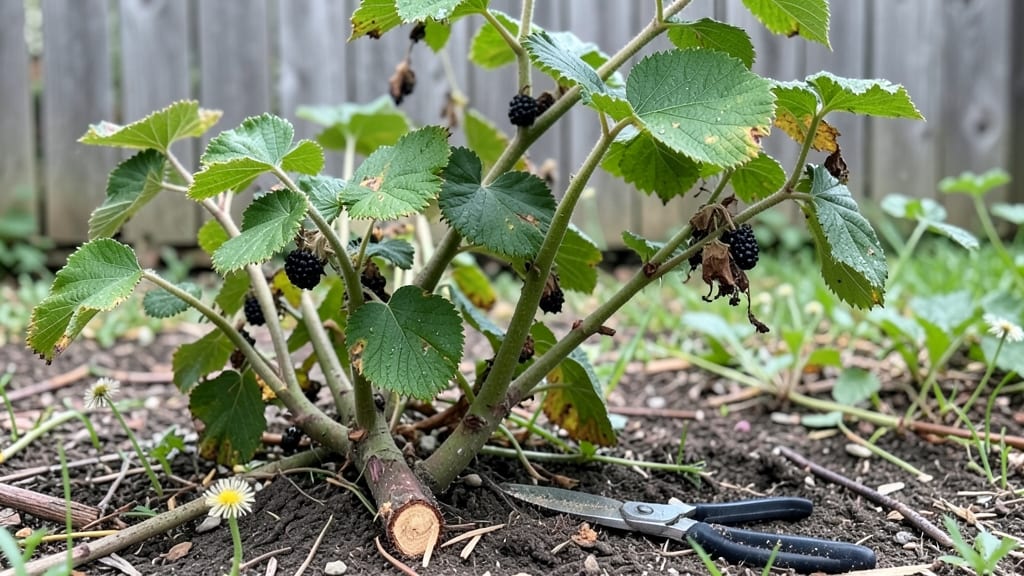
Pruning blackberry plants transforms a thorny mess into a year-round harvest machine—and I’ve perfected the three cuts that double my fruit yield every season. The key isn’t just cutting back; it’s timing those cuts to when the plant is dormant, actively growing, and just after harvest.
My first attempt left me with bare canes and zero berries, but now I get thick, juicy clusters from spring through fall.
You’ll need just three tools: sharp pruning shears (dull blades tear canes), heavy-duty gloves (those thorns don’t joke), and a bucket for clippings. The real work happens in three phases: winter cleanup, summer shaping, and post-harvest thinning.
Most gardeners skip the summer check, which is where fruit production really explodes—or fizzles out. I learned that the hard way when my plants put all their energy into new growth instead of berries.
After pruning, your plants will reward you with thicker canes, better airflow, and fewer pests. The first harvest after proper pruning is always sweeter, and the canes stay productive for 5-7 years with consistent care.
You’ll know you’ve done it right when you see new red shoots pushing through in early spring—those are your future fruit factories. Let’s get those shears sharpened!
This method works for both floricane (summer-bearing) and primocane (fall-bearing) varieties, though the timing tweaks slightly. Whether you’re dealing with a single plant or a full fence row, the same principles apply.
The only real mistake? Waiting until spring to prune—by then, you’ve already missed the best growth window. Start now, and you’ll thank me at berry season.
📚 In This Guide
- What you need
- Instructions
- Tips and common mistakes
- Wrapping up and next steps
What you need
- ● Pruning shears – Bypass pruners (sharp, clean, and capable of cutting ¼-inch thick stems). Quantity: 1 pair (or 2 if you have multiple bushes).
- ● Loppers – For thicker canes (up to 1-inch diameter). Quantity: 1 pair.
- ● Gloves – Heavy-duty, thorn-resistant (blackberry canes are serious!). Quantity: 1 pair.
- ● Disinfectant – Rubbing alcohol (70% isopropyl) or a pruning sealant (to prevent disease spread). Quantity: Small bottle.
- ● Trash bags or compost bin – For removing pruned canes. Quantity: As needed.
- ● Markers or flags – To label canes if you’re training them (e.g., primocanes vs. floricanes). Quantity: 10-20 (depending on bush size).
- ● Garden hose or bucket of water – For cleaning tools between cuts (prevents cross-contamination).
- ● Pruning saw – For stubborn, woody canes (if loppers struggle).
- ● Knee pads – Because blackberry bushes love sprawling low to the ground.
- ● Sun hat & sunscreen – Pruning sessions can turn into all-day projects!
- ● Plant tie or twine – To support canes if you’re trellising.
- ● Notebook & pen – To track pruning dates and notes on plant growth.
Instructions for blackberry plant pruning: year-round harvest with 3 strategic cuts
Here's how to transform your blackberry patch into a productive, low-maintenance powerhouse.
Late Winter Dormant Pruning (January-February)
When the ground is still frozen and the canes are completely dormant, grab your pruners and cut back all last year's canes to the ground. This is the most critical cut because it removes old, unproductive growth and forces energy into new, vigorous primocanes. Look for canes that are brown, brittle, and dead—these won’t produce fruit this season and should be removed entirely.
Leave only the new, green shoots that emerge from the base of the plant. These are your primocanes, and they’ll grow into this year’s fruiting canes. If you’re unsure which canes to keep, remember that healthy canes have a smooth, green bark when young. I like to bundle the remaining canes together and tie them loosely with twine to keep them organized and prevent them from flopping over.
Summer Floricane Pruning (June-July)
Once your blackberries have finished fruiting in late summer, it’s time for the second cut. This is when you prune the floricanes—the canes that produced fruit this year. After harvest, cut these back to the ground, but leave the primocanes (the new green growth) untouched. This step ensures your plant focuses its energy on next year’s fruit production.
Here’s the trick: floricanes are the canes that grew last year and bore fruit this season. They’ll turn brown and die back naturally after fruiting. You’ll know it’s time to prune them when the berries are fully ripe and the canes start to look tired. I always prune on a dry day to reduce the risk of disease spreading through open wounds.
Post-Harvest Maintenance Pruning (September-October)
After the second harvest (if you have a fall-bearing variety), do a final light pruning to remove any dead, diseased, or crossing canes. This keeps airflow circulating and reduces the risk of mold or pests. Cut back any canes that are rubbing against each other or growing inward—they’ll compete for sunlight and weaken the plant.
This is also the time to thin out any overly crowded canes. Aim to leave about 4-6 strong primocanes per plant. If you have more, remove the weakest ones at the base. I like to leave a few extra canes if I’m unsure, but I never let the plant get overcrowded. Over time, you’ll learn which canes produce the best fruit and focus on keeping those.
Winter Protection (November-December)
Once the ground freezes, mound 6-12 inches of soil or mulch around the base of the plant to protect the roots from extreme cold. This is especially important in colder climates where blackberries can suffer winter damage. You can also wrap the canes loosely with burlap or straw to add an extra layer of insulation.
Don’t worry about pruning again until late winter. The goal here is to keep the roots and canes safe until the new growth starts in spring. If you live in a mild climate, you might skip the mounding and just focus on keeping the area clear of debris. Either way, this step sets your blackberries up for a strong start next season.
Tips & tricks for perfect blackberry plant pruning
These simple strategies will help you maintain a thriving blackberry patch with minimal effort and maximum yield.
Timing is Everything: The late winter dormant pruning in January-February is your most important cut, but don't rush it. Wait until the ground is completely frozen to prevent spreading disease through open wounds. I've learned the hard way that pruning too early can stimulate premature growth when frost is still likely. The key is to work when the canes are completely dormant and brittle—this makes them much easier to cut cleanly.
Identifying Healthy Canes: When selecting which primocanes to keep in Step 1, look for canes with smooth, green bark that emerges from the base. Avoid any canes that appear twisted, gnarled, or have rough bark—these are often weak producers. I like to make a mental note of the strongest canes each year and give them priority for next season's harvest. Remember, you're shaping the plant's future productivity with each cut.
Pruning Tools Matter: Use sharp, clean pruners to make precise cuts just above a bud or lateral branch. Dull blades crush the cane, creating larger wounds that invite disease. I keep a bottle of rubbing alcohol handy to wipe down my pruners between cuts, especially when working with diseased canes. For large patches, consider investing in long-handled loppers to avoid bending over repeatedly.
Seasonal Considerations: In Step 2, when pruning floricanes in June-July, be especially vigilant about removing any canes showing signs of disease like black spots or mold. These should be bagged and disposed of immediately, not composted. In milder climates where blackberries produce two harvests, the September-October maintenance pruning becomes even more critical for maintaining plant health between harvests.
Pro Tips for Blackberry Plant Pruning
- These simple strategies will help you maintain a thriving blackberry patch with minimal effort and maximum yield.
- Timing is Everything: The late winter dormant pruning in January-February is your most important cut, but don't rush it.
- Identifying Healthy Canes: When selecting which primocanes to keep in Step 1, look for canes with smooth, green bark that emerges from the base.
Frequently asked questions
Got questions about pruning your blackberry plants? You’re not alone! Here are some of the most common concerns—plus clear, actionable answers to keep your bushes thriving.
When is the best time to prune blackberries?
Timing depends on your blackberry type. For floricanes (like 'Triple Crown'), prune in late winter or early spring (before new growth starts). For primocanes (like 'Arapaho'), prune in late summer/fall to encourage next year’s fruit. Always avoid pruning when frost is forecasted!
How do I know which canes to cut?
Use this simple rule: Cut dead, damaged, or thin canes to the ground. For healthy canes, remove older, non-fruiting canes (floricanes) after harvest and keep 2-3 of the thickest, most vigorous canes for next year’s fruit. Thin canes = more airflow and fewer pests!
What if I prune at the wrong time?
Pruning too early (fall/winter) can expose canes to cold damage, while pruning too late (spring) may delay fruit production. If you’ve already pruned out of season, don’t panic—just focus on watering deeply and fertilizing with compost to help recovery. Next year, stick to the right schedule!
Can I prune blackberries without shears?
While pruning shears make the job easier, you can use clean, sharp loppers or even a sturdy knife in a pinch. For large canes, a pruning saw works too. Just sterilize tools with rubbing alcohol between cuts to prevent disease spread. Safety first—wear gloves to avoid thorns!
Why aren’t my blackberries producing after pruning?
Low fruit yield after pruning often stems from over-pruning or poor cane health. Ensure you’ve left at least 2-3 strong canes per plant. Check for nutrient deficiencies (yellow leaves = nitrogen; weak growth = phosphorus) and adjust fertilizer accordingly. Patience helps—blackberries may take 1-2 seasons to rebound!
Wrapping up and next steps
Mastering blackberry plant pruning is your ticket to a bountiful, year-round harvest! 🌱 By following the three strategic cuts—summer thinning, winter renewal, and spring shaping—you’ll keep your plants healthy, productive, and easy to manage.
With the right tools and timing, you’re well on your way to enjoying juicy berries for seasons to come.
Ready to put your new skills to work? Grab your pruners and start trimming! 🌟 For extra confidence, bookmark this guide or share it with fellow gardeners. Happy pruning—and here’s to a sweet, fruitful future! 🍇