
Pruning
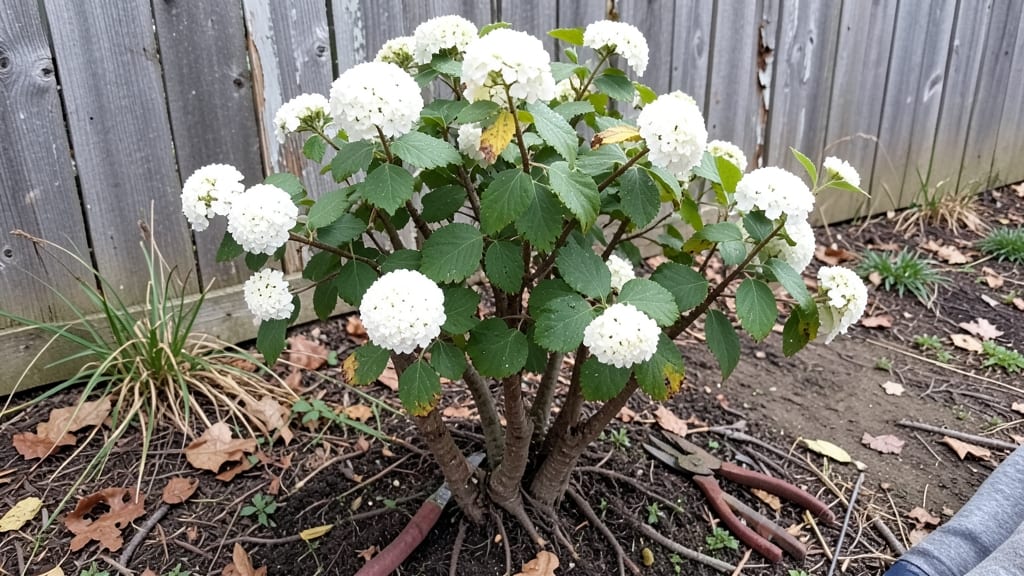
Pruning your snowball plant three times a year turns it from a scraggly bush into a showstopping white-cloud display. ✨ I’ve pruned mine for five seasons, and the difference between a neglected shrub and a lush, blooming machine comes down to timing, cuts, and a little patience.
The key is working with the plant’s natural rhythm: late winter for structural cuts, right after flowering to shape new growth, and early fall to tidy up before winter.
You’ll need sharp bypass pruners and a small ladder—most snowball plants grow 6 to 10 feet tall—but the tools are simple. The real trick is cutting just above a bud or branch collar, never leaving stubs.
After pruning, your plant will reward you with denser foliage, more abundant blooms, and fewer floppy branches. The white flower clusters—those "snowballs"—will look bigger and last longer, and the plant stays compact enough to fit in small yards.
Just avoid the urge to over-prune; these shrubs are tough but not invincible.
Works for both Viburnum opulus and similar varieties like Viburnum bodnantense. Whether you’ve got a mature shrub or a young one, this schedule keeps it healthy for decades. Let’s get those shears sharp and start shaping!
Triggers Behind Unruly Growth
Your snowball plant (Viburnum opulus) may need pruning more often than expected—and there are key reasons why. Understanding these triggers helps you anticipate and control its shape, health, and flowering potential. Let’s break down the science behind why your plant might be growing wild.
Snowball plants thrive when they store excess energy, often leading to rapid, unchecked growth. This happens due to:
- Rich soil nutrients: If your plant’s soil is packed with nitrogen or organic matter, it prioritizes leafy and stem growth over flowering. Think of it like a plant on a growth steroid—it produces more foliage but fewer blooms. Actionable fix: Test soil pH (ideal: 5.5–6.5) and balance nutrients with phosphorus-rich fertilizers to encourage blooms.
- Excess water: Overwatering or poor drainage sends signals to the plant to grow faster, often resulting in leggy, sparse branches. Actionable fix: Ensure well-draining soil and water only when the top 2 inches are dry.
- Young plant vigor: Newly planted snowball shrubs redirect energy into establishing roots, leading to explosive above-ground growth. Actionable fix: Prune lightly in the first year to shape rather than trim.
Light exposure and seasonal changes directly impact how your snowball plant grows. Misalignment in these factors can trigger uncontrolled branching:
- Too much sunlight: Full sun (6+ hours/day) can stress the plant, causing it to grow long, thin stems in search of shade. Actionable fix: Provide morning sun + afternoon shade in hot climates to balance growth.
- Late-season pruning: Trimming after mid-summer removes next year’s flower buds, forcing the plant to grow new, weak stems to compensate. Actionable fix: Stick to spring (March–April) or early fall (September) pruning.
- Dormancy disruption: Pruning during winter (when the plant is asleep) can shock it into sprouting prematurely, leading to weak, disease-prone growth. Actionable fix: Avoid winter pruning; focus on structural cleanup in early spring.
When snowball plants face stress from pests or pathogens, they often respond with defensive growth—producing extra stems or leaves to recover. Common culprits include:
| Issue | Why It Triggers Growth | Actionable Fix |
|---|---|---|
| 🐜 Aphids/Spider Mites | Sap-sucking pests weaken stems, causing the plant to grow new shoots to replace damaged tissue. | Spray with neem oil or introduce ladybugs; prune infested branches immediately. |
| 🍄 Fungal Leaf Spot | Diseased leaves reduce photosynthesis, forcing the plant to overproduce foliage to compensate. | Remove infected leaves; improve air circulation with spaced pruning. |
| 🐛 Root Rot (Overwatering) | Rotten roots starve the plant, leading to stunted, erratic growth as it struggles to absorb nutrients. | Repot in well-draining soil; reduce watering frequency. |
Some growth patterns are hardwired into the snowball plant’s DNA or physical structure:
- Multi-stemmed varieties: Cultivars like ‘Compactum’ naturally grow in dense clusters, requiring annual thinning to prevent crowding.
- Suckering habit: Snowball plants often send up shoots from the base (suckers) to spread. Left unchecked, these create a wild, unkempt appearance. Actionable fix: Remove suckers at the base in early spring.
- Aging wood decline: Older stems (5+ years) produce fewer blooms and may sprout randomly to revive vigor. Actionable fix: Replace old wood with rejuvenation pruning every 5–7 years.
💡 Pro Tip: Keep a pruning journal to track when your snowball plant grows most aggressively. Note soil conditions, sunlight changes, and pest outbreaks—this helps you predict and prevent future overgrowth.
Revive & Reset Your Snowball Plant
If your Viburnum opulus (snowball plant) looks leggy, bare, or overgrown, don’t panic—pruning can work wonders! Below are targeted solutions for common issues, paired with prevention tips to keep your plant thriving year-round. Follow these steps to restore balance, encourage blooms, and maintain that lush, rounded shape.
Cause: Lack of pruning, fast growth, or neglecting seasonal trims. Fix:
- 🔪 Trim back 1/3 of the oldest stems—cut to the ground or to a strong outward-facing bud. This opens the center for airflow and sunlight.
- 🌱 Focus on new growth—prune just above a leaf node (where leaves meet the stem) to encourage bushier branches.
- ⏰ Time it right—late winter or early spring (just before buds swell) is ideal for major pruning.
💡 Pro Tip: Use sharp, clean pruners to avoid tearing stems. Disinfect with rubbing alcohol between cuts to prevent disease.
Cause: Over-pruning, poor timing, or removing too many flower buds. Fix:
- 🌱 Prune after flowering—wait until late spring or early summer to avoid cutting off next year’s blooms.
- 🎯 Leave 2-3 mature stems—these produce the most flowers. Thin out weak or crossing branches instead.
- 🌿 Fertilize lightly—use a balanced 10-10-10 fertilizer in early spring to support blooming.
✨ Prevention: Mark stems with ribbon or paint to track which ones flower best—prioritize keeping these.
Cause: Too much shade, improper pruning, or lack of sunlight. Fix:
- 🔄 Rejuvenate with hard pruning—cut back all stems to 6–12 inches tall in late winter. New growth will fill in quickly.
- ☀️ Move to sunnier spot—snowball plants thrive in partial sun (4–6 hours daily). Avoid deep shade.
- 🌱 Prune for shape—trim to encourage outward growth. Aim for a rounded, layered look.
🎯 Goal: After pruning, your plant should resemble a lush, multi-tiered umbrella rather than a single pole.
Cause: Fungal infections (like powdery mildew), aphids, or spider mites. Fix:
- 🧼 Clean up debris—remove fallen leaves and trim infected branches below the damage.
- 💦 Spray with neem oil—mix 1 tbsp neem oil + 1 tsp mild soap in 1 quart water. Apply weekly until pests/disease clears.
- 🌿 Improve airflow—thin dense branches to reduce humidity trapped in the center.
💡 Prevention: Water at the base (not overhead) and avoid wetting foliage to deter fungal growth.
Keep your snowball plant in peak condition with these seasonal tasks:
| Season | Task | Why It Matters |
|---|---|---|
| Late Winter | Hard prune (cut back 1/3 of oldest stems) | Encourages vigorous new growth and blooms. |
| Spring (Post-Flowering) | Light shape-up pruning | Removes dead wood and shapes the plant without sacrificing next year’s flowers. |
| Summer | Monitor for pests/disease; trim as needed | Prevents issues before they spread. |
| Fall | Minimal pruning; focus on cleanup | Allows the plant to harden off for winter. |
🌟 Remember: Snowball plants are forgiving! Even if you’ve neglected pruning, a single hard reset can transform a sad, sparse bush into a thriving, flower-covered beauty. Start today—your plant will thank you with lush foliage and dramatic blooms!
Frequently asked questions
When is the best time to prune my snowball plant for maximum blooms?
Prune your snowball plant in late winter (before buds swell) and again right after flowering (late spring/early summer). This two-step approach removes old wood while preserving next year’s flower buds. Avoid pruning after mid-summer—you’ll cut off potential blooms for next season!
Can I prune my snowball plant in fall?
Fall pruning is limited to light cleanup only—never heavy cuts. The plant needs time to harden off for winter, so focus on removing dead branches and tidying up. Save major shaping for late winter when new growth begins. Fall pruning can stimulate tender new shoots that won’t survive frost.
How do I tell which stems to keep when pruning?
Look for healthy, outward-facing branches with strong buds. Keep 2-3 mature stems as your framework—they produce the most flowers. Remove weak, crossing, or inward-growing branches at the base. Always cut just above a bud or branch collar, never leaving stubs. This encourages fuller growth patterns.
What should I do if my snowball plant looks completely overgrown?
Don’t panic! Perform a rejuvenation prune in late winter: cut back all stems to 6-12 inches tall. New growth will fill in quickly, and you’ll get a fresh start. Water consistently and fertilize lightly in spring. Within a year, your plant will recover its lush shape and abundant blooms.
Why does my snowball plant keep growing leggy branches?
Leggy growth usually means too much shade or improper pruning timing. Move your plant to partial sun (4-6 hours daily) and prune in late winter to encourage bushier growth. Avoid cutting back too hard in summer—this forces weak, elongated stems to form. A light summer trim (just to shape) works better.