
How To
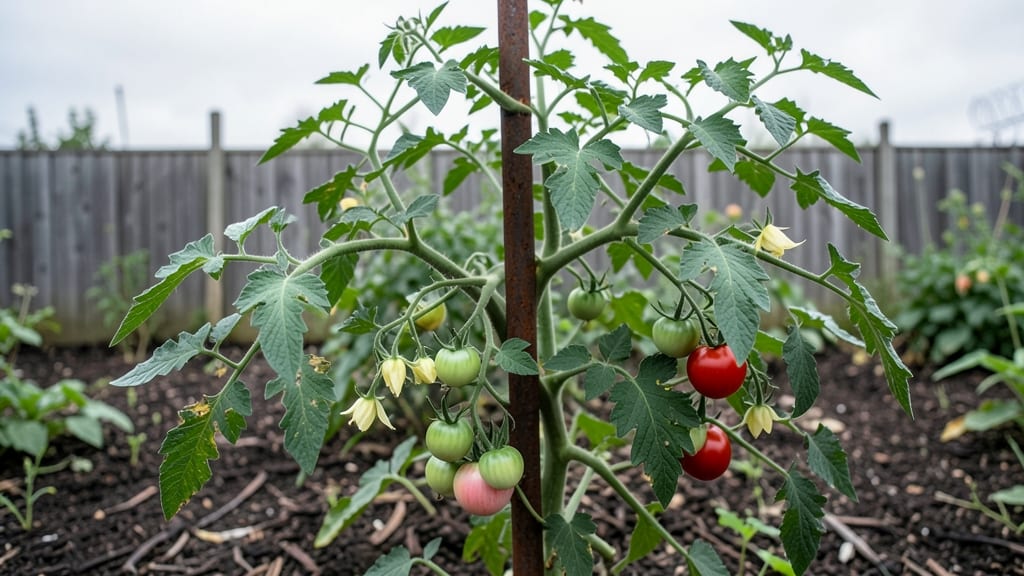
Tomato plants can grow anywhere from 3 feet to towering 12 feet tall, depending on the variety and care you provide 🍅.
If you’ve ever watched a tomato vine stretch toward the sky like a jungle explorer, you’ve probably wondered: Just how tall can these plants really grow? The answer isn’t just about space—it’s about variety, care, and the right support system to keep your harvest thriving.
Determinate varieties stay compact, perfect for small gardens, while indeterminate types climb like vines, needing sturdy trellises or cages. Without proper support, even the tallest varieties can flop, leading to fewer fruits and more pests.
In this guide, I’ll break down the height ranges of popular varieties, share tips for managing growth, and show you how to keep your tomatoes thriving—whether they’re bush-sized or reaching for the clouds.


Tomato plant height by variety: from compact bushes to towering giants
Tomatoes come in all shapes and sizes, but their height is one of the most important factors when planning your garden. Whether you have a small balcony or a sprawling backyard, choosing the right tomato variety ensures you maximize space without sacrificing yield.
The two main categories—determinate (bush) and indeterminate (vining)—define how tall your plants will grow and how they produce fruit. Let’s break down the heights you can expect and what that means for your garden layout.
Determinate tomatoes are the compact, self-supporting varieties that grow to a predictable height—usually between 2 to 5 feet. These plants produce fruit all at once, making them ideal for canning or fresh eating in bulk.
On the other hand, indeterminate tomatoes are the sky-scrapers of the garden world, growing 6 to 12 feet or taller with continuous fruit production throughout the season. Their vining habit requires sturdy support but rewards gardeners with a steady harvest.
Here’s a quick look at how these varieties stack up in terms of height, growth habit, and popular examples to help you visualize what’s right for your space:
If you’re working with limited space, determinate varieties like Roma or Patio are perfect for containers or small gardens. These plants stay neat and tidy, often reaching just 2 to 3 feet tall, making them ideal for balconies or windowsills.
For larger gardens or those willing to invest in support structures, indeterminate varieties like Sungold or Brandywine can grow 10 feet or taller, turning your garden into a vertical feast.
One common misconception is that taller tomato plants always produce more fruit. While indeterminate varieties can yield all season long, determinate types often produce a heavy crop all at once. If you’re planning for canning or preserving, determinate tomatoes might be your best bet.
For fresh eating throughout the summer, indeterminate varieties are hard to beat. The key is matching your garden space and harvest goals to the right variety.
For gardeners in small spaces, consider dwarf or patio varieties like Tiny Tim or Micro Tom, which max out at around 1 to 2 feet. These are perfect for hanging baskets or even indoor growing with sufficient light.
On the other end of the spectrum, if you’re dreaming of a tomato jungle, varieties like Cherokee Purple or Beefsteak will reach for the sky, requiring strong trellises or stakes to support their weight.
Height isn’t just about aesthetics—it also affects disease risk and fruit quality. Taller plants with poor airflow can develop blossom end rot or fungal diseases like early blight. That’s why pruning and proper support are critical for indeterminate varieties.
By training vines upward, you improve air circulation and reduce the chance of moisture-related issues. Even determinate plants benefit from a light cage or stake to prevent sprawling, which can lead to broken stems or rot.
When selecting your tomatoes, think about your garden layout and how you’ll support them. A 6-foot trellis works well for semi-determinate varieties, while indeterminate giants may need a 10-foot A-frame trellis or a sturdy bamboo stake.
Don’t forget to leave room for pruning tools and easy access to harvest fruit before it touches the ground. With the right variety and support, you can turn even the smallest corner of your garden into a productive tomato powerhouse.
Ready to pick your perfect tomato? Start by assessing your space and deciding whether you prefer a compact bush or a sky-high vine. Either way, you’ll be rewarded with a bountiful harvest—just make sure your support system is up to the task! 🌱
Support systems for tall tomato plants: cages, trellises, and staking solutions
Tall tomato plants need more than just space—they require the right support system to thrive. Without proper support, vines can flop, fruits rot, and yields suffer. The key is matching your tomato variety with a support structure that fits its growth habit and your garden layout.
Indeterminate varieties, like Sungold or Brandywine, can reach 10+ feet, while determinate types like Roma stay compact at 3-4 feet. Choosing the wrong support can mean wasted effort or even plant damage.
Your garden’s wind exposure and available space also play critical roles. A windy location demands sturdy stakes or trellises, while tight spaces benefit from vertical trellises or A-frame designs. Even if you have the space, improper training can lead to overcrowded vines, poor airflow, and disease.
The goal is to guide growth upward while keeping fruits accessible and healthy. Let’s break down the best support options for your towering tomatoes.
| Support Type | Best For | Height Capacity | Pros | Cons |
|---|---|---|---|---|
| Tomato Cages | Determinate varieties, small gardens | 3-5 ft | Easy to install, good airflow | Limited height, can collapse |
| Wooden Stakes | Indeterminate varieties, windy areas | 6-10 ft | Durable, customizable height | Requires tying, less airflow |
| A-Frame Trellis | Indeterminate varieties, vertical gardens | 8-12 ft | Maximizes space, great airflow | Requires DIY or purchase |
| Florida Weave Trellis | Heavy fruiting varieties, large gardens | 10-15 ft | Strong, flexible, great for pruning | Expensive, labor-intensive |
For indeterminate varieties, I recommend Florida weave trellises or A-frame designs—they handle the weight of heavy fruit loads and encourage upward growth. These systems also improve air circulation, reducing the risk of blight and other diseases.
If you’re short on space, a vertical trellis can turn a small corner into a productive tomato haven. Just ensure the trellis is buried 12 inches deep or secured with heavy stakes to prevent toppling in wind or rain.
Training vines to climb is simpler than you think. Start by tying the main stem to the support at 12-inch intervals using soft plant ties or old T-shirts. As side shoots emerge, prune them to encourage the plant to focus on vertical growth and fruit production.
Avoid over-pruning—remove only suckers (the shoots between the stem and branches) and leave the rest to support the plant’s structure. This method works best for indeterminate tomatoes, which keep growing until frost.
Don’t forget about fruit access. If your support system is too tall, harvesting becomes a chore. For varieties like Cherokee Purple, which can reach 8 feet, consider a ladder-style trellis or a two-tiered cage to keep fruits within reach.
You can also use removable stakes to support branches as they grow, adjusting the height as needed. The key is to balance support strength with practicality—your back will thank you later.
If you’re growing in containers, opt for compact cages or lightweight trellises that won’t tip over. Even dwarf varieties like Tiny Tim benefit from support to keep stems upright and fruits off the ground.
For heavy producers, like Beefsteak tomatoes, combine stakes with a horizontal trellis to distribute weight evenly. This setup prevents breakage and ensures a higher yield by maximizing sunlight exposure.
Pro tip: Install supports at planting time to avoid disturbing roots later. If you’re retrofitting, gently tease the roots and add support gradually to prevent shock. With the right system in place, your tomatoes will grow taller, healthier, and more productive—no flopping allowed! 🌱